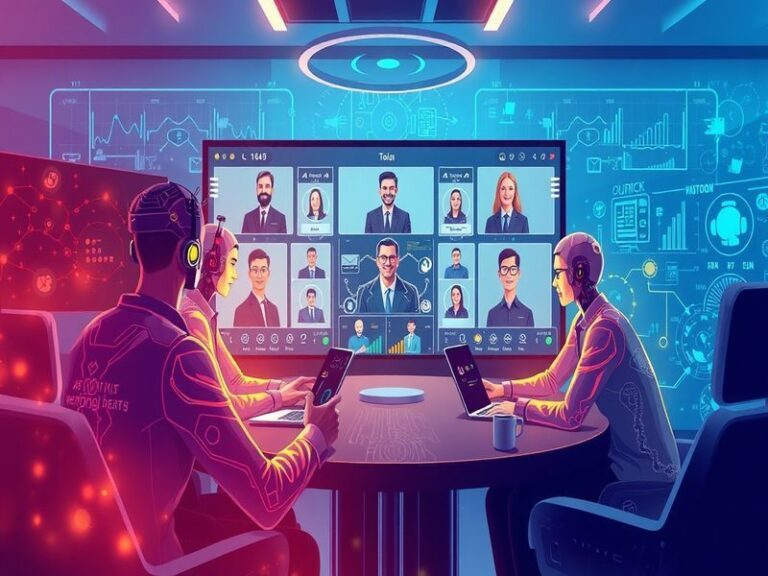
Zoom Introduces an AI-Powered Office Suite
In an era where remote work has become the norm, productivity tools are evolving rapidly to meet the demands of a dynamic workforce. Recently, Zoom announced the launch of its AI-powered office suite, integrating artificial intelligence into its existing platform to enhance collaboration and streamline workflows. This move not only marks a significant technological advancement for the company but also reflects broader trends in how AI is reshaping productivity tools across various industries.
Understanding AI Enhancements in Productivity Tools
AI is not merely a buzzword; it is transforming the way businesses operate. By leveraging machine learning and natural language processing, productivity tools are becoming more intuitive and responsive. Here are some key enhancements that AI offers:
- Automated Scheduling: AI can analyze participants’ calendars and suggest optimal meeting times, reducing the back-and-forth often involved in scheduling.
- Smart Transcription: AI-powered transcription services can convert spoken content into text, making it easier to create meeting notes and action items.
- Contextual Insights: AI can provide contextual information and suggestions during meetings, enhancing decision-making processes.
- Enhanced Security: AI algorithms can identify unusual patterns and potential security threats in real-time, ensuring data safety.
Practical Insights into Zoom’s AI-Powered Office Suite
Zoom’s new suite introduces several features aimed at improving user experience and enhancing collaboration:
- Virtual Meeting Assistants: These AI-driven assistants can help facilitate meetings by providing agendas, managing time, and even summarizing discussions.
- Language Translation: Real-time translation services can break down language barriers, allowing teams from different regions to collaborate seamlessly.
- Data-Driven Decision Making: The integration of AI analytics can help teams assess the effectiveness of meetings and suggest improvements based on user engagement and participation metrics.
Industry Implications of AI Integration
Zoom’s integration of AI tools is likely to spur significant changes across industries:
- Increased Efficiency: As AI streamlines repetitive tasks, employees can focus on more strategic initiatives, leading to higher productivity.
- Enhanced Collaboration: Remote work often leads to communication challenges. AI tools can help bridge this gap, making teamwork more effective regardless of geographical barriers.
- Greater Accessibility: AI features such as transcription and translation make meetings more inclusive for participants with disabilities or language differences.
- Competitive Advantage: Companies that adopt AI-enhanced productivity tools will likely have a competitive edge, as they can respond more rapidly to market changes and customer needs.
Future Possibilities for AI in Productivity Tools
The future of AI in productivity tools is bright, with several trends on the horizon:
- Personalized User Experiences: AI can analyze user behavior and preferences to tailor tools that better suit individual needs.
- Integration with Other Technologies: As AI continues to advance, we can expect deeper integration with other technologies such as augmented reality (AR) and virtual reality (VR) for immersive collaboration experiences.
- Proactive Problem Solving: Future AI tools may not only react to issues but predict them, allowing teams to address challenges before they escalate.
As Zoom leads the charge with its AI-powered office suite, other companies will likely follow suit, incorporating AI tools into their own platforms. The potential of AI to revolutionize productivity and collaboration is vast, and organizations that embrace these changes will be well-positioned for success in the future.
Conclusion
The introduction of AI enhancements in productivity tools like Zoom’s new office suite signifies a pivotal shift in the way we work and collaborate. By automating mundane tasks, facilitating communication, and providing data-driven insights, AI is set to redefine productivity. As we look to the future, the implications for businesses and employees alike are profound, heralding a new era of efficiency and collaboration.