Revolutionizing Design with Google’s Redesigned Stitch: How Google’s New AI-Native Canvas is Changing the Landscape of UI/UX Design
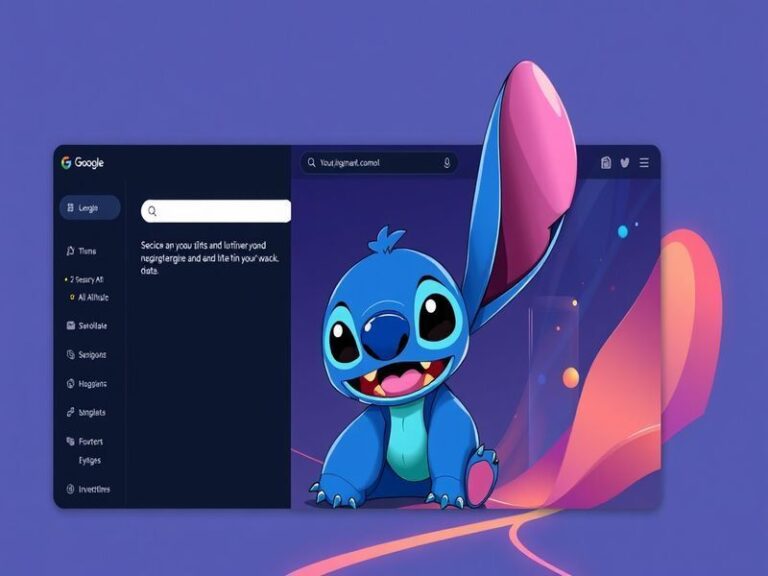
The world of UI/UX design is undergoing a seismic shift thanks to the introduction of Google’s redesigned Stitch. As an AI-native canvas, Stitch is redefining how designers approach their craft, merging technology with creativity in unprecedented ways. This article explores the features and implications of this innovative tool, providing insights into its potential impact on the design industry.
Understanding Google’s Stitch
Stitch is not just another design tool; it harnesses the power of artificial intelligence to streamline and enhance the design process. By integrating machine learning capabilities, Stitch offers a range of features that allow designers to focus more on creativity and less on repetitive tasks.
- AI-Powered Assistance: Stitch utilizes AI algorithms to suggest design elements, layouts, and color schemes based on user preferences and industry trends.
- Real-Time Collaboration: The tool supports real-time collaboration, enabling teams to work together seamlessly, regardless of their physical location.
- Intuitive Interface: Stitch features an intuitive, user-friendly interface that lowers the barrier to entry for new designers while still offering robust capabilities for seasoned professionals.
Practical Insights into Stitch’s Features
Google’s Stitch introduces several innovative features that cater to the evolving needs of UI/UX designers:
- Smart Layouts: Stitch can automatically generate layouts based on the content provided, allowing designers to visualize their concepts quickly. This feature reduces the time spent on manual arrangement, enabling faster iterations.
- Design Systems Integration: Stitch supports integration with existing design systems and libraries, making it easier for teams to maintain consistency across projects.
- User Preference Learning: As designers use Stitch, it learns their preferences and styles, gradually refining its suggestions to better align with individual tastes.
Industry Implications of AI-Driven Design
The introduction of AI-native tools like Stitch is set to revolutionize the design industry in several key ways:
- Increased Efficiency: By automating mundane tasks, designers can dedicate more time to creative problem-solving and innovation.
- Democratization of Design: With tools like Stitch, individuals with little to no design background can create professional-quality designs, leveling the playing field.
- Enhanced Collaboration: The ability to collaborate in real-time fosters a more integrated approach to design, encouraging input and ideas from diverse team members.
Future Possibilities with Google’s Stitch
As Google continues to refine and expand Stitch, the future of UI/UX design looks promising. Here are some possibilities that could emerge:
- Personalized User Experiences: With the ability to analyze user behavior and preferences, Stitch could help create highly personalized user experiences tailored to individual needs.
- Integration with Other AI Tools: Future iterations may see Stitch integrating with other AI-driven tools, such as voice recognition and natural language processing, to create even more immersive design environments.
- Focus on Accessibility: Google may enhance Stitch’s capabilities by including features specifically designed to support accessibility, ensuring that all users can benefit from the design process.
Conclusion
Google’s redesigned Stitch is not just another tool in the designer’s arsenal; it represents a significant shift in how design can be approached in the age of AI. As the landscape of UI/UX design evolves, tools like Stitch will empower designers to work more efficiently, foster greater collaboration, and ultimately, create more engaging user experiences. The future is bright for design, and with innovations like Stitch leading the charge, the possibilities are limitless.