Meet Dobby: The AI Butler Revolutionizing Home Management
In a world where technology continues to advance at breakneck speed, the emergence of intelligent systems that can autonomously manage our daily tasks is becoming an exciting reality. One such innovation is Dobby, an AI butler introduced by OpenAI’s co-founder, revolutionizing home management by minimizing human intervention in everyday chores. This article will explore Dobby’s capabilities, practical applications, and the implications for industries and households alike.
What is Dobby?
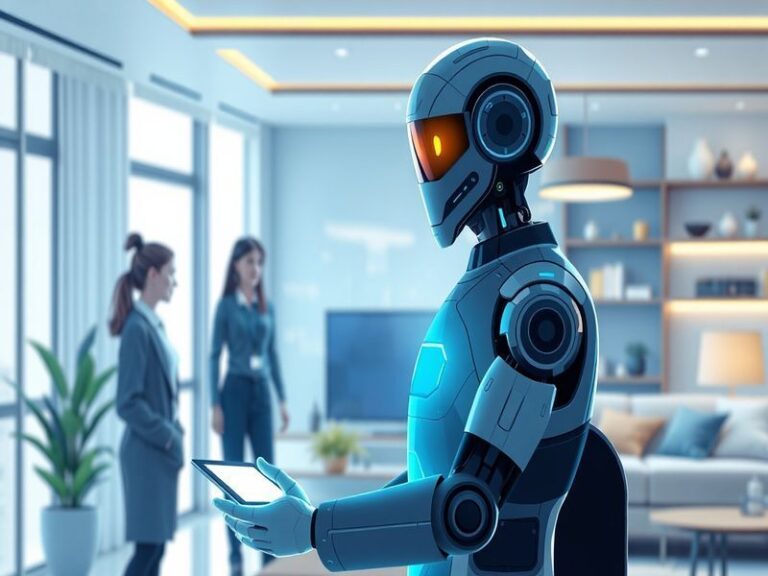
Dobby is a sophisticated AI-driven assistant designed to handle a variety of household tasks, from managing schedules to controlling smart home devices. Leveraging advanced machine learning algorithms and natural language processing, Dobby can learn user preferences and adapt its functionalities accordingly.
Key Features of Dobby
- Smart Scheduling: Dobby can manage calendars, set reminders, and schedule appointments by integrating with users’ digital calendars.
- Home Automation: It connects with various smart home devices, allowing users to control lighting, heating, and security systems seamlessly.
- Voice Interaction: Dobby employs natural language processing, allowing for intuitive voice commands that make interaction feel more organic.
- Learning Algorithm: It utilizes machine learning to analyze user behavior and preferences, which aids in optimizing its tasks over time.
- Task Management: Dobby can manage grocery lists, create to-do lists, and even order supplies when running low.
Practical Insights on Dobby’s Functionality
The true innovation behind Dobby lies in its practical application in everyday life. The AI can significantly enhance productivity and efficiency in households. Here are some practical insights into how Dobby can transform home management:
- Time Savings: By automating mundane tasks such as grocery shopping and scheduling, Dobby frees up valuable time for users to focus on more important activities.
- Personalized Experiences: Dobby adapts to individual preferences, providing a tailored experience that aligns with each family member’s needs.
- Improved Organization: With its task management features, Dobby helps families stay organized, reducing stress and enhancing overall home management.
Industry Implications of AI Assistants
The introduction of AI butlers like Dobby is poised to disrupt various industries. Here are some potential implications:
- Smart Home Market Growth: As consumers embrace AI-driven solutions, there will be an increase in demand for compatible smart home devices, leading to a surge in the smart home market.
- Service Industry Transformation: Traditional service roles may evolve or diminish as AI assistants take over certain tasks, challenging service-oriented businesses to adapt.
- Data Privacy Concerns: The extensive data collection required for optimal AI functionality raises concerns about user privacy and security, necessitating robust measures to safeguard sensitive information.
The Future of AI Home Management
The future of AI in home management looks promising. Dobby and similar innovations could pave the way for a more integrated approach to household management. Here are some future possibilities:
- Enhanced AI Capabilities: As AI technology advances, we can expect even more sophisticated features, such as predictive behavior modeling and complex problem-solving abilities.
- Interoperability: Future iterations may allow seamless integration between various AI systems, creating a fully automated home environment.
- Expansion Beyond Homes: The principles behind Dobby could extend to commercial spaces, improving efficiency in businesses and public services.
Conclusion
Dobby represents a significant leap forward in the realm of AI and home management, showcasing the potential of intelligent systems to transform daily routines. By automating tasks and learning from user interactions, Dobby not only enhances productivity but also offers personalized experiences that can improve quality of life. As technology continues to evolve, the implications for industries and our everyday lives are bound to grow, opening new avenues for innovation and efficiency.