AI-Powered Wearables: A New Era for Strength Training
In the realm of fitness technology, AI-powered wearables are revolutionizing how we approach strength training. Among these innovations, Fort’s groundbreaking wristband stands out by tracking strength training metrics with unparalleled precision. This article delves into the technology behind Fort’s wristband, the implications for the fitness industry, and what the future holds for AI in strength training.
The Technology Behind Fort’s Wristband
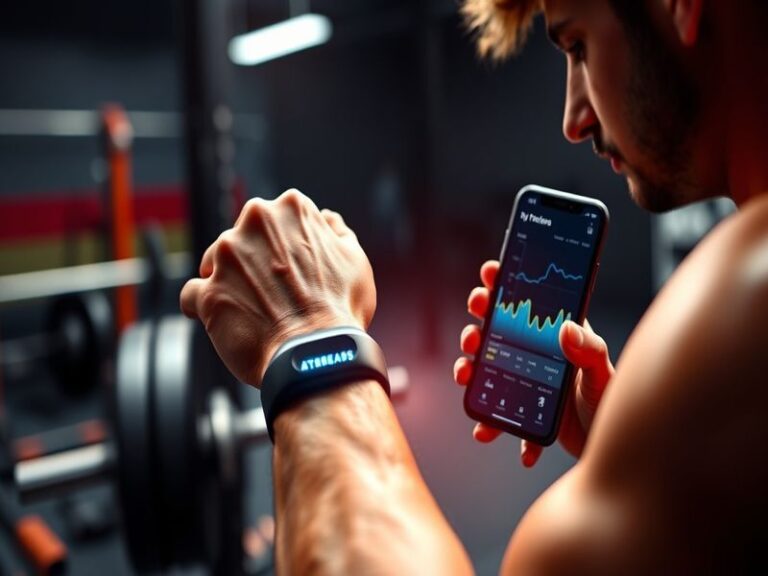
Fort’s wristband utilizes advanced artificial intelligence algorithms to monitor and analyze a variety of strength training metrics. Unlike traditional fitness trackers that primarily focus on heart rate and calories burned, Fort’s wristband provides deeper insights into performance and recovery. Here are some of the key features:
- Real-Time Data Tracking: The wristband collects data on reps, sets, and weight lifted in real time, allowing users to adjust their workouts on the fly.
- Form Analysis: AI algorithms analyze the user’s form during exercises, providing feedback to prevent injuries and enhance performance.
- Personalized Recommendations: Based on historical data, the device suggests tailored workouts and recovery strategies, optimizing training effectiveness.
- Integration with Other Devices: The wristband syncs with smartphones and other fitness devices, creating a holistic view of the user’s fitness journey.
Practical Insights for Users
For fitness enthusiasts and professionals, Fort’s wristband offers significant advantages:
- Enhanced Performance: With real-time feedback, users can make immediate adjustments, which can lead to improved strength gains.
- Injury Prevention: By analyzing form, the wristband helps in identifying potential issues before they lead to injury, making it a valuable tool for both beginners and seasoned athletes.
- Motivation and Accountability: The wristband’s ability to track progress and provide personalized insights keeps users motivated and accountable for their fitness goals.
Industry Implications
The introduction of Fort’s AI-powered wristband has broader implications for the fitness industry. As wearables become more intelligent, several trends are emerging:
- Shift Towards Data-Driven Fitness: Gyms and fitness trainers may increasingly rely on data analytics to tailor workouts for clients, enhancing the personal training experience.
- Integration with Health Systems: The data collected can be integrated into health systems, allowing for a more comprehensive view of an individual’s health and fitness, potentially influencing insurance and health plans.
- Rise of AI in Fitness Coaching: AI-driven insights could lead to the emergence of virtual fitness coaches, providing personalized training plans without the need for a human trainer.
Future Possibilities
As AI technology continues to evolve, the future of strength training wearables looks promising:
- Advanced Predictive Analytics: Future iterations of wearables may utilize predictive analytics to forecast injuries or performance plateaus, allowing users to preemptively address these issues.
- Enhanced User Interfaces: We might see more intuitive user interfaces that leverage augmented reality, providing immersive training experiences right in the gym.
- Community and Social Features: Integrating social features could foster a community aspect, where users can share progress, challenges, and achievements, enhancing motivation.
The combination of AI and wearables represents a transformative shift in how we understand and engage in strength training. With companies like Fort leading the charge, the potential to redefine fitness through intelligent technology is both exciting and promising.
Conclusion
AI-powered wearables such as Fort’s innovative wristband are not just gadgets; they are changing the landscape of strength training. By providing real-time data, personalized insights, and advanced form analysis, they empower users to train smarter and safer. As technology continues to advance, we can expect to see even more sophisticated applications of AI in fitness, paving the way for a healthier, more informed future.