Gemini’s New Feature: Importing Your ChatGPT History
In the rapidly evolving landscape of artificial intelligence, innovation is the lifeblood that drives progress. One of the latest advancements comes from Gemini, a state-of-the-art AI platform that has unveiled a new feature: the ability to import your ChatGPT history. This groundbreaking functionality not only enhances user experience but also represents a significant leap in how AI applications can maintain continuity and personalization. In this article, we will explore what this feature entails, its practical implications for users, and how it could shape the future of AI interactions.
Understanding the Import Feature
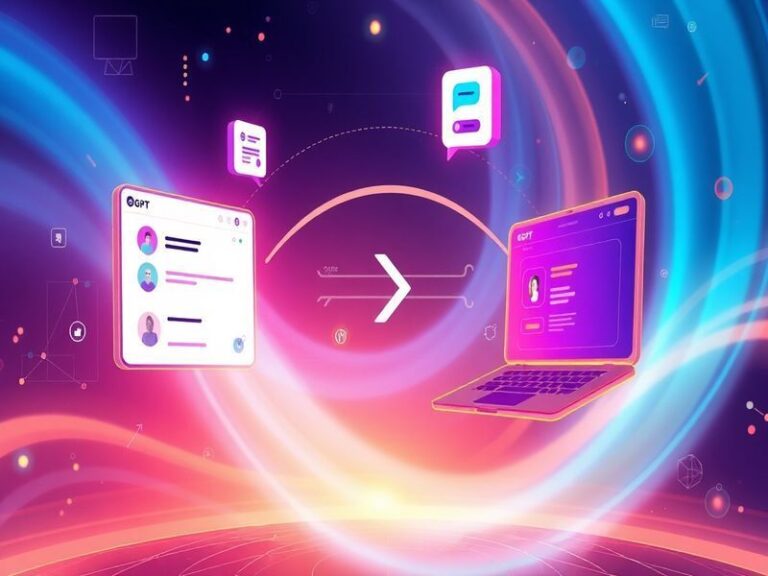
Gemini’s new feature allows users to seamlessly transfer their historical interactions with ChatGPT into the Gemini platform. By doing so, users can continue their conversations without losing context, making the transition between platforms smoother than ever. Here are some key aspects of this feature:
- Data Portability: Users can easily export their previous ChatGPT conversations and import them into Gemini, ensuring that their insights and context remain intact.
- User-Friendly Interface: The import process is designed to be intuitive, requiring minimal technical knowledge, thus catering to both tech-savvy users and novices alike.
- Enhanced Personalization: By retaining previous interactions, Gemini can offer a more personalized experience, tailoring responses based on past user behavior and preferences.
Practical Insights for Users
This new feature has several practical implications for users, especially those who rely heavily on AI for their daily tasks. Here are some insights into how this functionality can enhance user experience:
- Continuity in Conversations: Users can pick up right where they left off, making it easier to reference previous discussions without having to recap or repeat information.
- Improved Workflow: For professionals who use chatbots for brainstorming, coding assistance, or customer service, having a complete history can lead to more efficient workflows.
- Greater Insight Retrieval: Users can revisit previous queries and responses, allowing them to extract valuable insights and information that might otherwise be forgotten.
Industry Implications
The introduction of the import feature has broader implications for the AI industry. It signals a shift towards more user-centric designs that prioritize continuity and personalization. Here’s how this could affect various sectors:
- Enhanced Customer Support: Companies using AI for customer service can provide a more seamless experience, as agents can access past customer interactions quickly, leading to faster resolutions.
- Education and Training: In educational settings, students can maintain a consistent dialogue with AI tutors, allowing for more effective learning and retention of information.
- Research and Development: Researchers can benefit from having an organized history of inquiries, helping them build upon previous findings without starting from scratch.
Future Possibilities
The ability to import ChatGPT history into Gemini opens the door to numerous future possibilities. As AI technology continues to advance, we can anticipate several trends:
- Integration with Other Platforms: We may see similar features implemented across various AI applications and platforms, promoting a more interconnected digital ecosystem.
- Increased AI Learning Capabilities: The accumulation of user data can lead to improved AI learning algorithms, allowing them to provide even more relevant and accurate responses.
- Personalized AI Assistants: Future iterations of AI might evolve into highly personalized assistants, capable of recalling individual user preferences and needs over extended periods.
Conclusion
Gemini’s new feature for importing ChatGPT history represents a significant advancement in AI technology that enhances user experience by providing continuity and personalization. As we look ahead, the implications for various industries are profound, paving the way for more interconnected and efficient AI applications. Whether for professional use, educational purposes, or everyday interactions, the future of AI is becoming increasingly user-focused, promising a landscape where technology is not just a tool but a tailored companion in our digital lives.