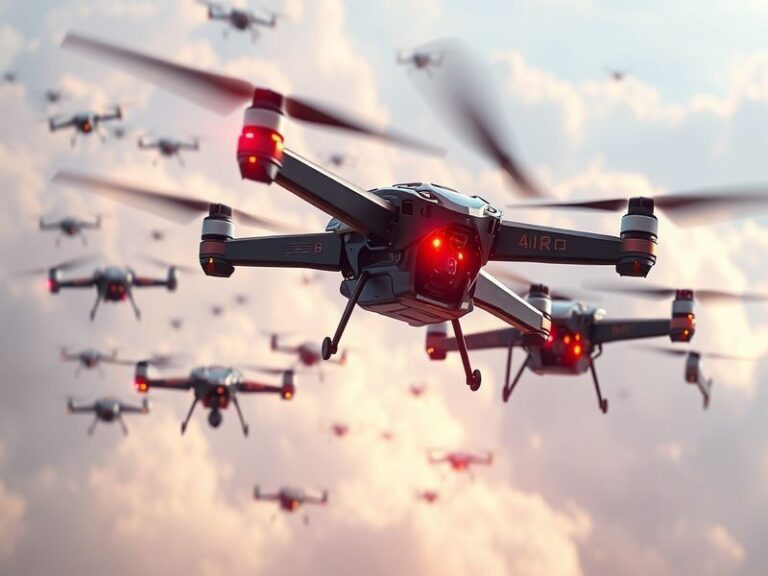
The Future of Drone Warfare: AI and Swarm Technology
As technology continues to evolve, the battlefield is undergoing a radical transformation. Among the most noteworthy advancements are AI-controlled drone swarms, which are set to redefine modern warfare strategies. This article explores the implications of these innovations, examining how drone swarms can enhance military effectiveness, address ethical concerns, and shape the future of conflict.
Understanding Drone Swarm Technology
Drone swarm technology refers to the use of multiple drones that operate collaboratively to achieve a common objective. Leveraging artificial intelligence, these swarms can communicate and coordinate their actions in real-time, mimicking the behavior of natural swarms found in nature, such as flocks of birds or schools of fish. This approach offers several advantages:
- Increased Flexibility: Swarms can adapt to changing battlefield conditions, making them more resilient than traditional singular systems.
- Enhanced Coverage: With multiple drones, military forces can cover vast areas, gathering intelligence and executing strikes simultaneously.
- Cost-Effectiveness: Deploying many low-cost drones can be more economical compared to a few high-value assets.
- Reduced Risk: The loss of a single drone in a swarm has less impact on overall mission success compared to the loss of a manned aircraft.
The Role of AI in Drone Swarms
Artificial intelligence is the backbone of drone swarm technology. By employing advanced algorithms and machine learning techniques, these drones can perform complex tasks without human intervention. Key roles of AI in drone swarms include:
- Autonomous Navigation: AI enables drones to navigate through challenging environments, avoiding obstacles and dynamically adjusting flight paths.
- Data Processing: Drones equipped with AI can analyze vast amounts of data in real-time, providing actionable insights to military commanders.
- Decision Making: AI systems can make tactical decisions based on predefined parameters, allowing for rapid responses to threats.
Implications for Modern Battlefield Strategies
The integration of AI and swarm technology into military operations is poised to have significant implications for battlefield strategies. Here are some of the most critical considerations:
Operational Efficiency
AI-controlled drone swarms can drastically improve operational efficiency. They can conduct searches, gather intelligence, and engage targets with precision. This capability allows for:
- Decentralized Operations: Commanders can deploy swarms in a distributed manner, reducing the risk of centralized attacks.
- Quick Reaction Times: Drones can respond to emerging threats faster than traditional forces.
Force Multiplication
Drone swarms act as a force multiplier. By coordinating their actions, they can overwhelm enemy defenses and create opportunities for ground troops. This creates a multi-layered approach to combat, where:
- Drones can distract and confuse enemy forces, allowing ground forces to advance with less resistance.
- Swarm tactics can penetrate heavily defended areas, utilizing their numbers to exploit weaknesses.
Ethical Considerations
As with any military technology, the use of AI-controlled drone swarms raises significant ethical concerns. Key issues include:
- Accountability: Who is responsible for decisions made by autonomous drones?
- Collateral Damage: The potential for unintended casualties increases with autonomous systems.
- Escalation of Conflict: The ease of deploying drone swarms may lower the threshold for military engagement.
Future Possibilities
Looking ahead, the future of drone warfare will likely see further advancements in AI and swarm technology. Potential developments may include:
- Advanced Communication Protocols: Enhanced systems for drones to share information more effectively, leading to smarter swarm behavior.
- Integration with Other Technologies: Combining drone swarms with other innovations, such as augmented reality and IoT, to provide comprehensive situational awareness.
- International Regulations: Establishing guidelines and treaties to govern the ethical use of drone swarms in warfare.
In conclusion, AI-controlled drone swarms represent a significant leap forward in military technology. They offer unprecedented operational capabilities and efficiencies but also introduce complex ethical dilemmas. As we move into this new era of warfare, it is essential for policymakers, military leaders, and technologists to work together to harness these innovations responsibly.