Virtual Pets from Claude Code: The Intersection of AI and Entertainment
In an era where artificial intelligence (AI) and technology are rapidly reshaping our experiences, the concept of virtual pets has evolved significantly. One of the most intriguing advancements in this realm is the creation of unique digital creatures through user coding patterns, as seen in platforms like Claude Code. This article delves into how these virtual pets are developed, the implications for the entertainment industry, and the future possibilities of integrating AI into our playful interactions.
The Creation of Virtual Pets
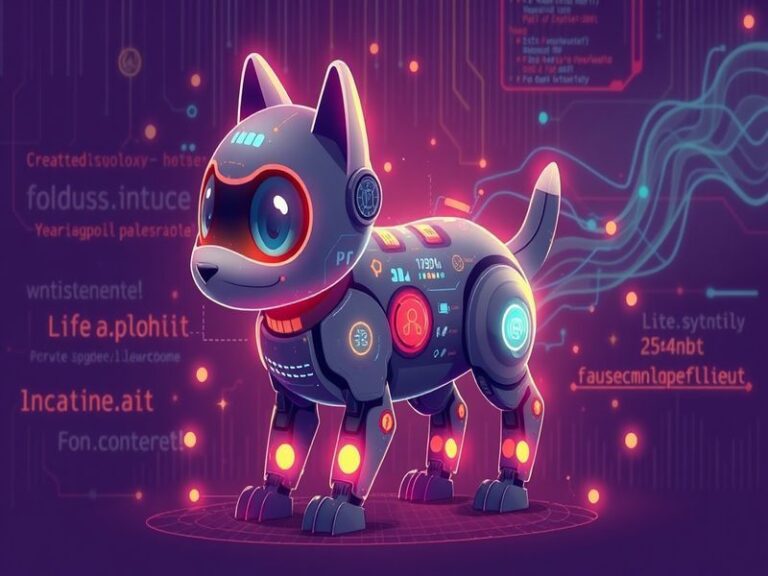
At the core of Claude Code’s virtual pets lies a sophisticated AI system that utilizes user-generated coding patterns to design and personalize digital creatures. This innovative approach allows users to engage with their pets on a deeper level, fostering a sense of ownership and creativity. The process can be broken down into several key steps:
- User Input: Users begin by writing code snippets that dictate their pet’s behavior, appearance, and personality traits. This could range from simple commands to more complex algorithms.
- AI Processing: The AI analyzes the coding patterns and generates a virtual pet that embodies the user’s specifications. This includes not just visual elements but also behavioral attributes.
- Interactive Learning: As users interact with their pets, the AI learns from these interactions, allowing the pet to evolve and adapt over time, becoming more responsive to the user’s preferences.
This dynamic interaction creates a unique bond between the user and their virtual pet, making every experience distinct and personal.
Industry Implications
The intersection of AI and entertainment through virtual pets has far-reaching implications for various industries:
- Gaming: Game developers can leverage AI to create more immersive and personalized experiences. Instead of pre-programmed characters, games can feature dynamic entities that evolve based on user interaction.
- Education: Virtual pets can serve as educational tools, teaching programming languages and logic through gamified experiences. This can enhance engagement among students while fostering problem-solving skills.
- Child Development: Virtual pets can help children develop empathy and responsibility as they care for their digital companions, providing a safe environment to learn about relationships and nurturing.
Future Possibilities
The future of virtual pets is ripe with potential. As AI continues to advance, we can anticipate several exciting developments:
- Enhanced Realism: Future virtual pets may incorporate augmented reality (AR) and virtual reality (VR) technologies, allowing users to interact with their pets in more realistic environments.
- Emotional Intelligence: With advancements in natural language processing (NLP), virtual pets could engage in more meaningful conversations, understanding user emotions and responding accordingly.
- Community Engagement: Platforms may evolve to include social features, allowing users to share their virtual pets, compete in challenges, or collaborate on coding projects, fostering a sense of community.
Moreover, the integration of machine learning algorithms could lead to virtual pets that learn and adapt not only to individual users but also to broader trends observed across the platform, creating a more vibrant ecosystem.
Conclusion
The rise of virtual pets through platforms like Claude Code marks a significant evolution in how we perceive entertainment through AI. By merging creativity with technology, these digital companions are not just toys but complex entities that reflect user input and interaction. As we move forward, the possibilities for virtual pets are endless, opening new avenues for engagement, education, and emotional connection. The future promises a world where our virtual companions may become as integral to our lives as any physical pet, challenging our notions of companionship in the digital age.