AI-Generated Music Hits the Charts: Exploring the Rise of AI Artists and Their Impact on the Music Industry
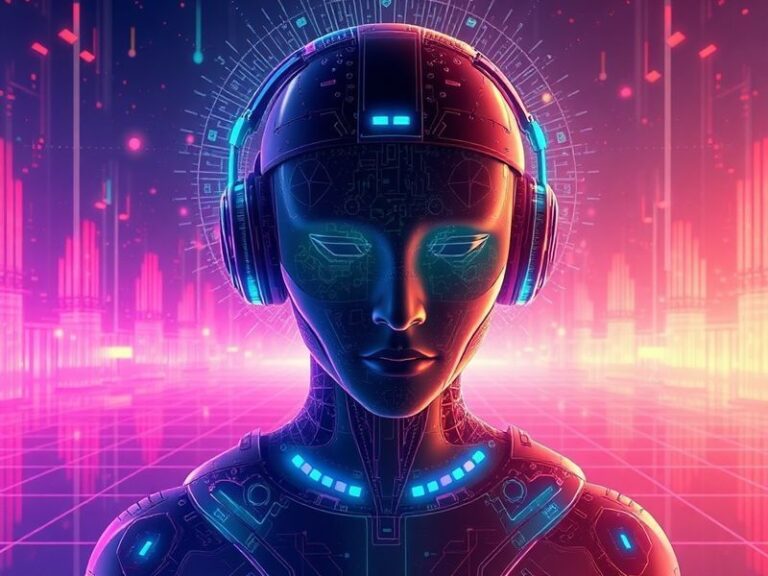
The intersection of technology and creativity has long fascinated artists and audiences alike. In recent years, artificial intelligence (AI) has emerged as a powerful player in the world of music. With the ability to generate melodies, lyrics, and even entire songs, AI-generated music is not only making waves in underground circles but is also hitting mainstream charts. This article delves into the rise of AI artists, their impact on the music industry, and the future possibilities that lie ahead.
The Emergence of AI in Music
AI’s foray into the music industry is a product of advancements in machine learning and neural networks. These technologies enable computers to analyze vast amounts of musical data and learn patterns, structures, and styles from established genres. The result? An algorithm capable of creating music that can compete with human artists.
- AI Composition Tools: Platforms like OpenAI’s MuseNet and Google’s Magenta have developed tools that allow users to compose music with AI assistance.
- Music Generation Algorithms: Algorithms can now produce original compositions in various styles, from classical to pop, often indistinguishable from human-generated music.
- Lyric Generation: Natural Language Processing (NLP) enables AI to generate lyrics that resonate with listeners, reflecting current trends and emotions.
AI Artists Making Waves
As AI technology advances, we are witnessing the emergence of AI artists gaining recognition. Some notable examples include:
- Holly+: A creative AI that composes songs and has released tracks that have charted in various countries.
- AIVA (Artificial Intelligence Virtual Artist): AIVA composes classical music and has been used for soundtracks in films and games.
- Yona (AI Music Composer): Known for pop and electronic music, Yona’s tracks have garnered millions of streams on platforms like Spotify.
These AI artists are not just novelties; they are contributing to the evolving landscape of music, attracting both listeners and industry attention.
Impact on the Music Industry
The rise of AI-generated music presents both opportunities and challenges for the music industry. Here are some key implications:
- New Creative Collaborations: Musicians are beginning to collaborate with AI, using it as a tool to inspire and enhance their creativity. This partnership can lead to innovative soundscapes.
- Changing Roles of Producers: As AI takes on more compositional tasks, the role of producers may shift towards curating and refining AI-generated content rather than creating it from scratch.
- Market Disruption: Traditional artists may find themselves competing with AI-generated music that can be produced quickly and at a lower cost, potentially disrupting existing business models.
- Licensing and Copyright Issues: The legal framework surrounding copyright and ownership of AI-generated music is still unclear, posing challenges for artists, producers, and legal professionals alike.
Future Possibilities
The future of AI in music is filled with potential. As technology continues to evolve, we can expect to see:
- Personalized Music Experiences: AI could create tailored playlists or personalized tracks based on an individual’s listening habits and emotional state.
- Enhanced Live Performances: AI-driven visuals and music could revolutionize live performances, creating immersive experiences that engage audiences on multiple sensory levels.
- Global Collaboration: AI could facilitate collaboration between artists from different countries, blending cultural influences and creating unique fusions of musical styles.
- Expanded Genres: New genres may emerge as AI explores combinations of existing styles, leading to innovative sounds that challenge traditional definitions of music.
Conclusion
AI-generated music is not merely a novelty; it is a profound shift in how we create, produce, and consume music. While it presents challenges, particularly concerning copyright and market dynamics, it also opens up new avenues for creativity and collaboration. As the lines between human and machine continue to blur, the music industry must adapt to the evolving landscape, embracing AI as an ally in artistic expression.
The journey of AI in the music industry is just beginning, and its potential to redefine the future of music is immense. With continued advancements in technology, we can expect an exciting new era where AI artists and human musicians work together to create art that resonates across generations.