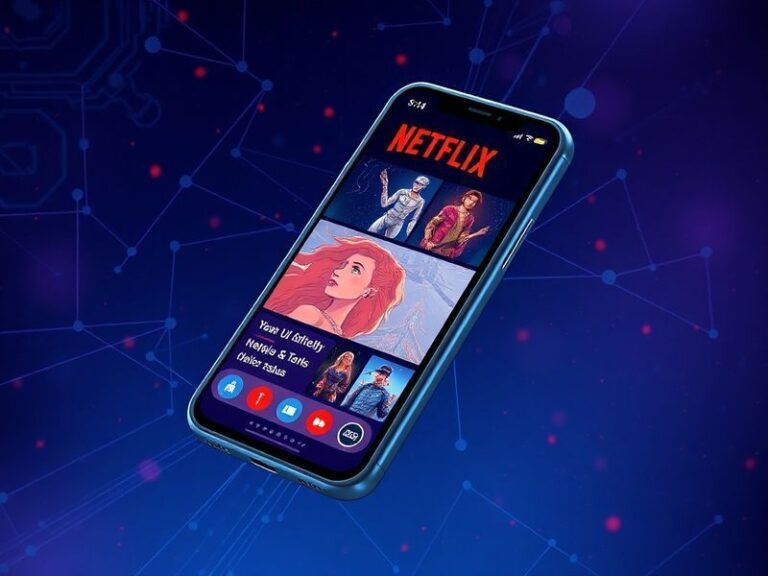
Netflix Embraces AI with Vertical Video Feed: The Streaming Giant’s New Approach to Content Delivery Inspired by Social Media Trends
In a landscape where streaming platforms are constantly competing for viewer attention, Netflix has taken a bold step forward by integrating artificial intelligence (AI) into its content delivery system. The recent introduction of a vertical video feed signifies a shift in how the platform engages its audience, drawing inspiration from the success of social media trends. This article explores the implications of this innovation, the technology driving it, and the future possibilities that lie ahead.
The Shift to Vertical Video
Vertical video has become a dominant format on social media platforms like Instagram, TikTok, and Snapchat. These platforms have effectively captured the attention of younger audiences, who prefer short, easily consumable content that fits seamlessly into their mobile lifestyles. Recognizing this trend, Netflix has begun to experiment with vertical video feeds, aiming to cater to the evolving preferences of its users.
This new format offers several advantages:
- Enhanced Mobile Experience: With the majority of users consuming content on mobile devices, vertical videos provide a more immersive viewing experience.
- Increased Engagement: Short vertical clips can capture attention quickly, leading to higher engagement rates.
- Adaptability: Vertical video allows Netflix to experiment with various content formats, including trailers, behind-the-scenes footage, and user-generated content.
The Role of AI in Content Delivery
At the heart of Netflix’s vertical video initiative lies an advanced AI infrastructure designed to optimize content delivery and personalize user experiences. Here’s how AI plays a crucial role:
- Content Recommendation: Utilizing machine learning algorithms, Netflix can analyze viewing habits and preferences to recommend vertical video content tailored to individual users.
- Dynamic Editing: AI tools can automatically edit and format content for vertical viewing, ensuring a seamless transition from traditional widescreen formats.
- User Interaction: AI can facilitate interactive features within vertical videos, such as polls or quick reviews, enriching the overall user experience.
Industry Implications
The move towards vertical video is not just a trend; it has significant implications for the streaming industry as a whole:
- Competition: As Netflix adopts vertical video, other platforms may feel the pressure to innovate similarly or risk losing their audience.
- Content Creation: Filmmakers and content creators will need to adapt their storytelling techniques to suit vertical formats, leading to a new wave of creativity.
- Advertising Opportunities: Brands can leverage vertical video ads within streaming services, creating new revenue streams for platforms like Netflix.
Future Possibilities
As Netflix continues to refine its vertical video strategy, the future holds several exciting possibilities:
- Personalized Content Streams: Future iterations may allow users to create personalized vertical feeds filled with their favorite genres or themes.
- Integration of Augmented Reality (AR): The combination of vertical video and AR could transform how viewers interact with content, making it more engaging and immersive.
- Enhanced Community Features: Netflix could integrate social features, allowing users to share and discuss vertical video content with friends and followers.
Conclusion
Netflix’s adoption of a vertical video feed is a prime example of how the streaming giant is leveraging AI and technology to stay relevant and engage its audience. By embracing this new format, Netflix not only aligns itself with current social media trends but also paves the way for future innovations in content delivery. As the landscape of entertainment continues to evolve, the integration of AI will undoubtedly play a pivotal role in shaping the viewing experiences of tomorrow.