Google’s Secret AI Deal with the Pentagon: An In-Depth Analysis of the Implications of AI Technology Use in Military Applications
In recent years, the intersection of artificial intelligence (AI) and military applications has stirred considerable debate among technologists, policymakers, and ethicists. One of the most discussed partnerships in this domain is that between Google and the U.S. Department of Defense (DoD). This collaboration has raised questions about the ethics of using AI in warfare, the implications for technology innovation, and the potential for future military applications of AI technologies.
The Context of the Collaboration
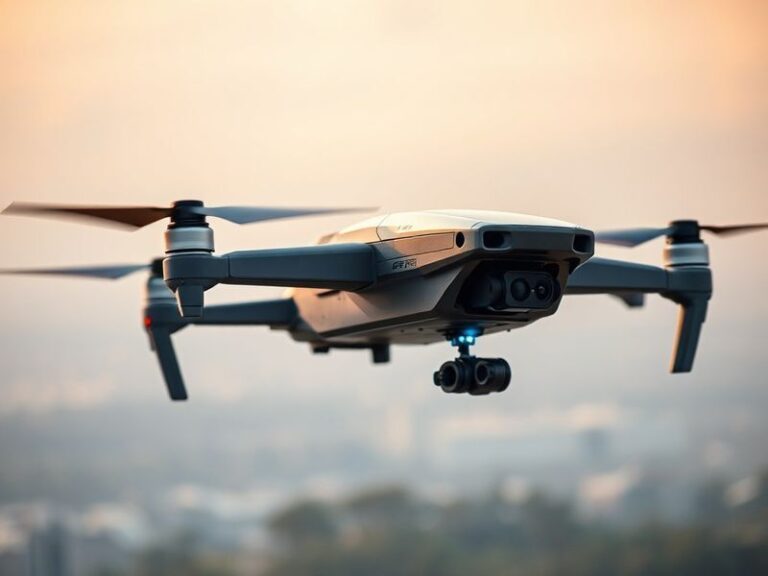
In 2018, it was revealed that Google had been working on Project Maven, an initiative aimed at leveraging AI to analyze drone footage and improve the accuracy of military operations. The project sparked outrage among Google employees and the public, leading to protests and calls for the company to reconsider its involvement with the military. This controversy highlighted the ethical implications of deploying AI in contexts that could result in loss of life.
Understanding AI’s Role in Military Applications
AI technologies can provide the military with unprecedented capabilities. By automating data analysis and enhancing decision-making processes, AI can improve operational efficiencies. Here are some key applications of AI in military contexts:
- Surveillance and Reconnaissance: AI algorithms can process vast amounts of data from surveillance systems, identifying threats more quickly than human analysts.
- Target Recognition: Machine learning models can help in recognizing and classifying objects in drone footage, reducing the chances of human error.
- Logistics Management: AI can optimize supply chain logistics, ensuring that troops receive necessary supplies more efficiently.
- Cybersecurity: AI systems can proactively identify and mitigate cyber threats, safeguarding military networks and communications.
Ethical Considerations and Public Backlash
Google’s involvement in military AI projects has raised significant ethical concerns. The primary issues include:
- Autonomy in Warfare: There is a fear that AI could enable autonomous weapons systems that make life-and-death decisions without human intervention.
- Accountability: If AI systems make a mistake, it is unclear who would be held accountable—the developers, the military, or the AI itself?
- Transparency: The black-box nature of AI algorithms raises concerns about how decisions are made and whether they can be trusted.
The public backlash against Project Maven prompted Google to announce it would not renew its contract with the DoD in 2019. However, this incident has not deterred military interest in AI technologies; instead, it has accelerated the race for AI supremacy among tech companies.
Implications for the Tech Industry
The partnership between Google and the Pentagon has broader implications for the tech industry:
- Increased Investment in AI Research: The military’s interest in AI will likely lead to increased funding for research and development, pushing tech companies to innovate faster.
- Emergence of New Startups: The demand for AI technologies in military applications may give rise to new startups focused on this niche, potentially changing the landscape of the tech industry.
- Collaborations and Partnerships: Other tech giants may seek similar contracts with the military, leading to a shift in corporate priorities and strategies.
Future Possibilities
The future of AI in military applications is both promising and concerning. As AI technologies continue to advance, several possibilities unfold:
- Enhanced Decision-Making: AI could lead to more informed and timely decisions in military operations, potentially saving lives and resources.
- Increased Autonomy: There may be developments in fully autonomous systems, which could change the nature of warfare and international conflict.
- International Regulations: The global community may need to establish regulations surrounding military AI to prevent misuse and ensure ethical standards are upheld.
The Path Forward
As we look ahead, the relationship between technology and military applications will continue to evolve. Stakeholders in the tech industry, military, and government must engage in ongoing dialogue about the ethical implications of AI technologies. Balancing innovation with moral responsibility will be crucial as we navigate the complexities of AI in military contexts.
Ultimately, the future of AI in warfare will depend on how society chooses to regulate and apply these powerful technologies. This balance of innovation, ethics, and oversight will define the trajectory of AI applications not only in military settings but across all sectors.