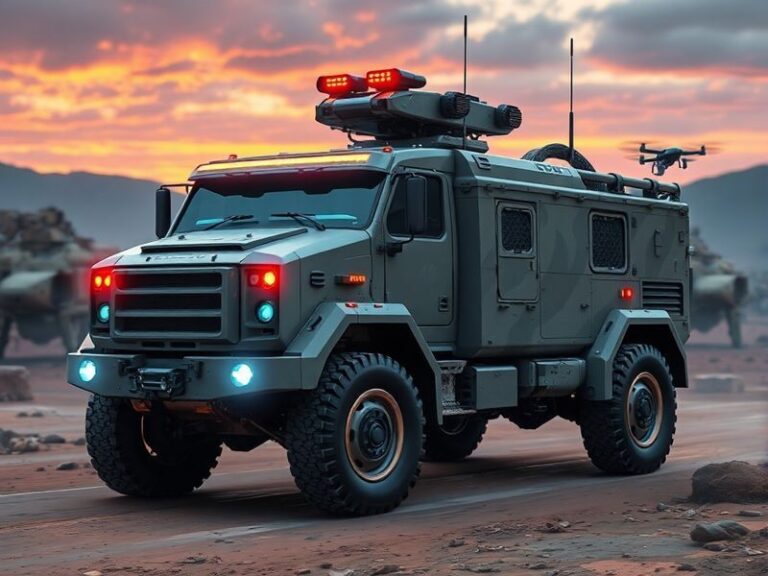
The Emergence of Autonomous Drone-Killing Trucks
In recent years, the landscape of military technology has dramatically shifted, with the integration of artificial intelligence (AI) and autonomous vehicles. Among the most striking innovations are autonomous drone-killing trucks—vehicles designed for defense that can identify and neutralize threats without direct human intervention. This article explores how this technology is advancing, its implications for the defense industry, and the future possibilities of autonomous military systems.
Understanding Autonomous Drone-Killing Trucks
Autonomous drone-killing trucks are equipped with advanced AI systems that allow them to engage with aerial threats, particularly drones, in real-time. These vehicles utilize a combination of sensors, machine learning algorithms, and automated targeting systems to identify, track, and destroy hostile drones. Here’s a closer look at the components that make these systems effective:
- AI-Powered Recognition: Using computer vision and deep learning, these trucks can distinguish between friendly and enemy drones based on characteristics such as size, shape, and flight patterns.
- Autonomous Navigation: The trucks are designed to navigate complex terrains and environments autonomously, allowing them to be deployed in various operational theaters.
- Automated Engagement Systems: Once a threat is identified, the system can automatically engage using non-lethal or lethal means, depending on the mission requirements.
The Technological Edge
The emergence of these autonomous systems marks a significant technological leap in military capabilities. Traditional defense mechanisms often rely on human operators who may be limited by reaction time and situational awareness. Autonomous trucks, however, can process vast amounts of data and make decisions at speeds unattainable by humans. This advancement presents several key advantages:
- Increased Efficiency: By minimizing the need for human intervention, these trucks can operate continuously, providing sustained defense without fatigue.
- Reduced Risk to Human Life: Deploying autonomous vehicles in high-risk zones mitigates the threat to soldiers, allowing them to focus on other critical tasks.
- Adaptability: As machine learning models evolve, these systems can adapt to new threats and scenarios, making them increasingly effective over time.
Industry Implications
The rise of autonomous drone-killing trucks has profound implications for the defense industry and military strategy. Some of the most significant impacts include:
- Shifts in Defense Procurement: Defense contractors are now prioritizing the development of AI-driven systems, which may lead to a reallocation of resources and funding within the military sector.
- Strategic Military Operations: The incorporation of autonomous systems may change how military operations are planned and executed, emphasizing rapid deployment and responsiveness to threats.
- Ethical Considerations: The use of autonomous lethal systems raises pressing ethical questions about accountability, decision-making in combat, and the potential for autonomous warfare.
Future Possibilities
The future of autonomous drone-killing trucks is ripe with possibilities. As AI and robotics technology continue to advance, we can expect several developments:
- Integration with Other Systems: Future iterations of these trucks may work in conjunction with aerial drones, satellites, and cyber defense systems to provide a comprehensive defense network.
- Enhanced Decision-Making Algorithms: With advancements in AI, we can anticipate improved algorithms capable of making complex decisions in real-time, optimizing engagement strategies.
- Global Military Balance: The proliferation of such technologies could lead to a shift in global military power dynamics, as nations race to develop and deploy their autonomous defense systems.
Conclusion
The emergence of autonomous drone-killing trucks represents a critical advancement in military technology. By harnessing the power of AI and autonomous vehicles, the defense industry is poised for a transformation that promises increased efficiency, reduced risk to human life, and potentially profound implications for military strategy and ethics. As technology continues to evolve, it will be essential for policymakers, military leaders, and ethicists to navigate the challenges and opportunities that autonomous systems present.