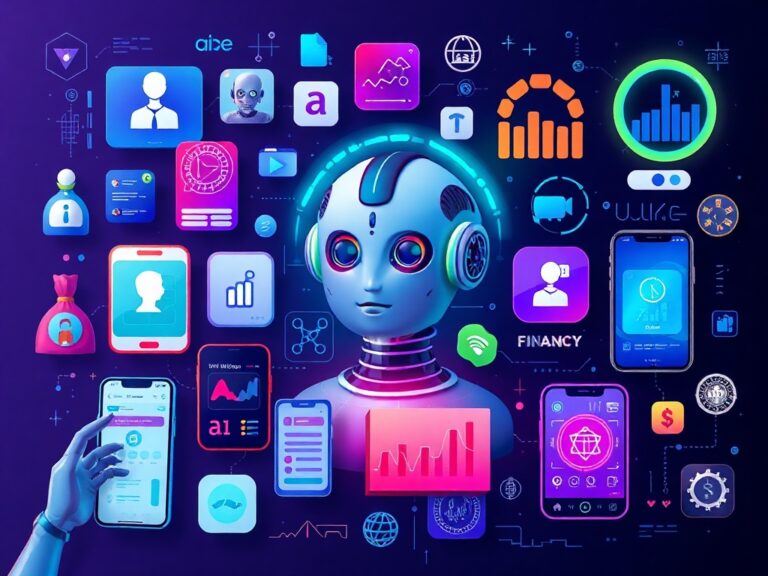
AI Tools Transforming Everyday Tasks
As we navigate through an increasingly fast-paced world, technology continues to reshape the way we manage our daily lives. Among the most significant advancements are artificial intelligence (AI) tools that enhance productivity and streamline everyday activities. This article explores various AI applications that have emerged to transform our routines, offering practical insights, industry implications, and future possibilities.
Understanding AI Tools
AI tools refer to software applications that use algorithms and machine learning models to automate tasks, analyze data, and make predictions. They range from simple chatbots to complex data analysis systems. The integration of these tools into our daily lives is happening at an unprecedented pace, affecting everything from personal management to global business operations.
AI Applications Enhancing Productivity
Here are some notable AI tools that are currently reshaping our daily tasks:
- Smart Assistants: Virtual assistants like Amazon’s Alexa, Google Assistant, and Apple’s Siri enable users to manage their schedules, control smart home devices, and retrieve information using voice commands. This hands-free interaction not only saves time but also promotes multitasking.
- AI-Powered Scheduling: Tools like x.ai and Calendly use AI to automate meeting scheduling. They analyze the calendars of all participants, suggest optimal meeting times, and send out invites, freeing up valuable time for users.
- Content Creation: Applications such as Jasper and Writesonic utilize AI to generate blog posts, marketing copy, and even social media updates. These tools can significantly speed up the content creation process, allowing marketers and writers to focus on strategy rather than drafting.
- Personal Finance Management: AI-driven apps like Cleo and Mint help users manage their finances by analyzing spending patterns, offering budgeting advice, and even providing insights on saving habits.
- Customer Service Automation: Chatbots powered by AI can handle customer inquiries 24/7, providing instant responses and reducing the workload for human agents. Tools like Drift and Intercom enhance customer experience by offering personalized interactions.
The Impact on Industries
The implications of AI tools extend beyond individual productivity; they are transforming entire industries. Here’s how:
- Healthcare: AI tools assist in patient diagnosis and treatment recommendations, helping doctors make better-informed decisions. For example, IBM Watson Health analyzes vast datasets to provide personalized treatment plans.
- Education: AI-driven platforms like Coursera and Duolingo tailor learning experiences to individual needs, making education more accessible and effective. These tools adapt to user progress, ensuring a more personalized approach.
- Retail: AI applications in retail analyze consumer behavior to optimize inventory management and personalize marketing strategies. Companies like Amazon utilize machine learning algorithms to recommend products based on past purchases.
- Transportation: Self-driving technology, such as that developed by Waymo, utilizes AI to enhance safety and efficiency in transportation. These advancements promise to revolutionize how goods and people are moved.
Future Possibilities
The future of AI tools looks promising, with several trends on the horizon:
- Increased Personalization: As AI continues to evolve, we can expect even more personalized experiences in various applications, from shopping to education.
- Integration with IoT: The Internet of Things (IoT) will work hand-in-hand with AI, enabling smarter devices that learn from user behavior to enhance automation in homes and workplaces.
- Better Collaboration Tools: AI will likely improve collaborative tools, making remote work more efficient by automating repetitive tasks and enhancing communication.
- Ethical Considerations: As AI tools become more prevalent, discussions around ethics and accountability will become increasingly important, prompting companies to adopt responsible AI practices.
Conclusion
AI tools are undeniably transforming everyday tasks, enhancing productivity, and streamlining daily activities. As we embrace these technologies, it is essential to recognize their potential benefits while also addressing the ethical implications they raise. The future is bright for AI applications, and as they continue to evolve, they will likely play an even more significant role in shaping our lives and industries.