Transforming Learning: The Impact of VideoLearningAI
In the rapidly evolving landscape of education, technology is playing a pivotal role in enhancing learning experiences. One of the most groundbreaking innovations is the development of VideoLearningAI, a tool that leverages artificial intelligence to create polished training materials from simple prompts. This transformation not only streamlines content creation but also enriches educational delivery, making learning experiences more engaging and effective.
The Rise of VideoLearningAI
As educational institutions and organizations strive to keep pace with the demands of modern learners, the need for high-quality training materials has never been more crucial. Traditional methods of content creation can be time-consuming and require extensive resources. VideoLearningAI addresses these challenges by utilizing advanced algorithms and machine learning techniques to automate the creation of video content.
- Efficiency: VideoLearningAI drastically reduces the time spent on content development, allowing educators to focus on teaching rather than production.
- Accessibility: With AI-generated content, organizations can easily produce materials that cater to diverse learning styles and demographics.
- Consistency: AI ensures that all training materials maintain a consistent quality and format, which is essential for brand integrity and learner engagement.
How VideoLearningAI Works
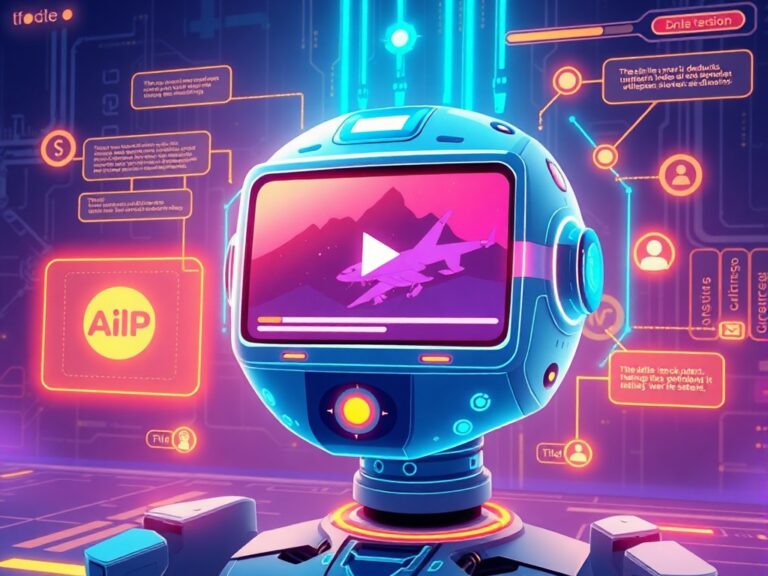
At its core, VideoLearningAI operates by interpreting simple prompts and transforming them into engaging video content. The process typically involves the following steps:
- Input: Users provide a prompt or topic related to the training material they wish to create.
- Content Generation: The AI analyzes the input and generates a script, complete with visuals and audio elements.
- Editing and Polishing: The tool refines the output, ensuring that it meets educational standards and aligns with the intended learning objectives.
- Distribution: The final product can be shared across various platforms, making it accessible to learners worldwide.
Industry Implications
The implications of VideoLearningAI extend beyond individual educators; they affect entire industries. Here are a few key areas where this technology is making waves:
- Corporate Training: Companies can create customized training modules rapidly, enhancing employee onboarding and continuous education.
- Higher Education: Universities are leveraging AI to develop supplemental materials for courses, ensuring students have access to a variety of learning resources.
- Healthcare: Medical training programs utilize VideoLearningAI to create simulations and instructional videos that help practitioners stay updated on the latest procedures and technologies.
Practical Insights for Implementation
For organizations looking to implement VideoLearningAI, several practical considerations can maximize its effectiveness:
- Identify Learning Objectives: Clearly define what you want learners to achieve with the video content. This will guide the AI in generating relevant materials.
- Incorporate Feedback Loops: Collect feedback from learners and educators to continuously improve the quality of the generated content.
- Integrate with Existing Systems: Ensure that the AI tool can seamlessly integrate with your current Learning Management Systems (LMS) for enhanced accessibility.
- Stay Updated: As AI technology evolves, stay informed about new features and updates that can further enhance video content creation.
Future Possibilities
The future of VideoLearningAI is promising, as advancements in AI continue to unfold. Here are some potential developments we might see:
- Personalized Learning Experiences: AI could analyze individual learner behaviors and preferences, tailoring content to meet specific needs and learning styles.
- Real-Time Content Adaptation: Imagine a scenario where AI can modify training materials on the fly based on learner engagement levels or comprehension rates.
- Collaboration with Other Technologies: Integrating Virtual Reality (VR) and Augmented Reality (AR) with VideoLearningAI could lead to immersive learning experiences that enhance understanding and retention.
- Global Reach: As translation and localization technologies improve, VideoLearningAI could make educational content accessible to a broader audience worldwide, breaking down language barriers.
In conclusion, VideoLearningAI stands at the forefront of educational innovation, redefining how we create and deliver training materials. By harnessing the power of artificial intelligence, educators and organizations can produce high-quality, engaging content that meets the diverse needs of learners. As we look to the future, the possibilities are endless, and the transformation of learning is only just beginning.