Senator Advocates for Superintelligence Ban: A Look at the Political Push for Regulation on Advanced AI Systems and Their Potential Risks
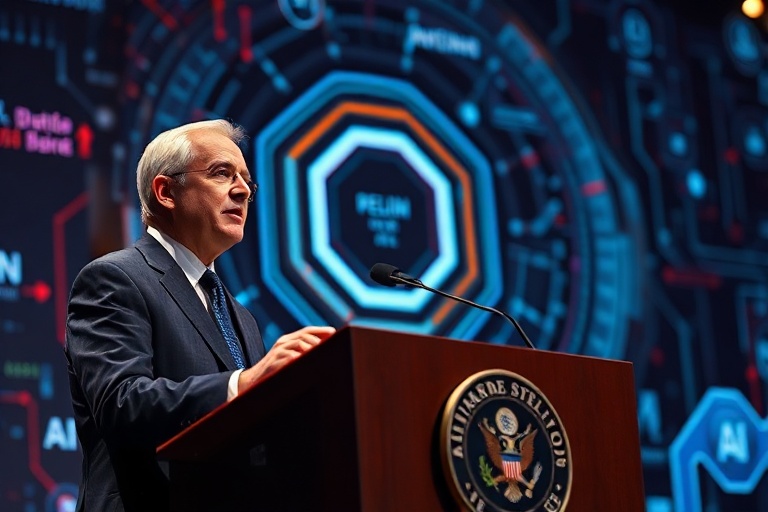
As artificial intelligence (AI) continues to evolve at an unprecedented pace, concerns regarding its implications for society are growing. Recently, a prominent senator has taken a bold stance advocating for a ban on superintelligent AI systems. This political move signifies a critical moment in the ongoing dialogue around the regulation of advanced AI, as stakeholders grapple with the potential risks and ethical considerations surrounding these technologies.
The Case for Regulation
The call for regulation stems from a recognition of the profound implications that superintelligent AI could have on various sectors, including economics, security, and human rights. Such AI systems, characterized by their ability to outperform humans in virtually every cognitive task, pose significant challenges. The senator’s advocacy can be attributed to several key factors:
- Safety Risks: The unpredictability of superintelligent systems raises concerns about their ability to act in ways that could be harmful to humanity.
- Ethical Considerations: Issues surrounding decision-making processes, biases in AI algorithms, and accountability in actions taken by AI systems necessitate regulatory oversight.
- Economic Disruption: Advanced AI could render many jobs obsolete, leading to significant socio-economic consequences if not managed properly.
These factors highlight the urgency for lawmakers to establish a framework that governs the development and deployment of AI technologies, particularly those that could surpass human intelligence.
Industry Implications
The push for a superintelligence ban could have far-reaching effects on the AI industry. Companies engaged in AI research and development might face new compliance requirements and restrictions. Here are some potential industry implications:
- Increased Compliance Costs: Organizations may need to allocate resources for legal and compliance teams to ensure adherence to new regulations.
- Innovation Stifling: Overregulation could deter investment in AI research by creating an environment of uncertainty, leading to a slowdown in technological advancement.
- Focus on Ethical AI: Companies may shift their focus toward developing ethical AI solutions, prioritizing transparency and fairness in their algorithms.
While the call for regulation aims to mitigate risks, it is crucial that policymakers strike a balance between fostering innovation and ensuring safety. Too much regulation could hinder the very advancements that have the potential to improve lives and drive economic growth.
Practical Insights for Policymakers
As discussions around AI regulation evolve, several practical insights emerge for policymakers seeking to create effective frameworks:
- Collaborative Approach: Engage stakeholders from academia, industry, and civil society to ensure a comprehensive understanding of AI’s implications.
- Adaptive Regulations: Develop flexible regulatory frameworks that can adapt to the fast-paced nature of AI advancements.
- Public Awareness: Promote public education initiatives to inform citizens about AI technologies, their benefits, and their risks.
- International Cooperation: Work with international bodies to establish global standards for AI development and use, recognizing that technology transcends borders.
By incorporating these insights, policymakers can create regulations that not only address immediate concerns but also support long-term innovation and ethical practices in AI development.
Future Possibilities
The future of AI regulation is uncertain, but several scenarios could unfold:
- Proactive Regulation: Governments could take a proactive stance by establishing regulatory bodies dedicated to monitoring AI development, ensuring compliance with ethical standards.
- Technological Innovation: With the right regulatory environment, AI could lead to breakthroughs in healthcare, education, and environmental sustainability.
- Public-Private Partnerships: Collaboration between government and private sectors could foster innovation while ensuring that ethical guidelines are followed.
Ultimately, the goal of regulation should be to safeguard humanity while promoting technological advancement. As the dialogue continues, it is imperative that all stakeholders remain engaged and informed about the implications of superintelligent AI.
In conclusion, the advocacy for a superintelligence ban by a U.S. senator represents a significant moment in the evolving landscape of AI policy. As we look to the future, it is crucial to navigate the balance between regulation and innovation to harness the full potential of AI technologies while safeguarding against their risks.