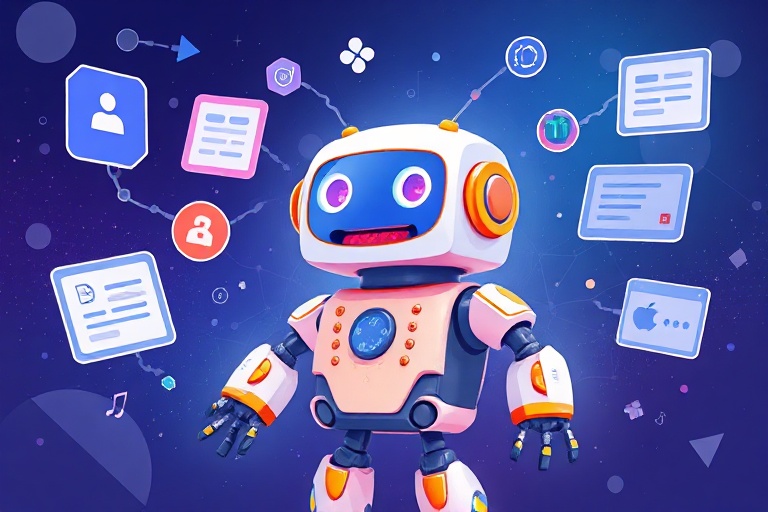
AI’s Role in Enhancing Work Efficiency: An Overview of Slackbot as an Agentic Operating System
In today’s fast-paced work environment, organizations are constantly seeking innovative solutions to enhance productivity and streamline workflows. Among these solutions, artificial intelligence (AI) has emerged as a transformative force, offering tools that not only facilitate task management but also foster seamless collaboration. One such innovative tool is Slackbot, the built-in AI assistant within the Slack communication platform. This article explores Slackbot’s role as an agentic operating system that significantly improves work efficiency through intelligent task management.
The Evolution of Task Management with AI
Task management has evolved dramatically over the past few decades. Traditional methods, often reliant on manual processes, have given way to sophisticated AI-driven solutions. The integration of AI into workflow management brings several advantages:
- Automation: AI can automate repetitive tasks, allowing employees to focus on higher-value activities.
- Personalization: AI tools can learn user preferences and tailor suggestions, enhancing user experience.
- Data-Driven Insights: AI can analyze vast amounts of data to provide actionable insights for decision-making.
As organizations increasingly adopt AI solutions, tools like Slackbot are leading the charge in transforming how teams manage tasks and collaborate.
Slackbot: Your Intelligent Task Manager
Slackbot serves as a virtual assistant within Slack, designed to enhance team collaboration and communication. It operates as an agentic system, meaning it acts on behalf of the user to streamline workflows and manage tasks efficiently. Here are some key features of Slackbot that contribute to enhanced work efficiency:
- Automated Reminders: Slackbot can set reminders for team members about upcoming deadlines or meetings. This reduces the likelihood of missed tasks and helps maintain accountability.
- Integration with External Tools: Slackbot integrates with various project management tools like Trello, Asana, and Google Calendar, consolidating task management in one platform.
- Custom Commands: Users can create custom commands to automate routine processes, from fetching updates to sending notifications, thereby reducing manual effort.
- Knowledge Management: Slackbot can store and retrieve important information and documents, ensuring that teams have access to critical resources when needed.
By leveraging these features, Slackbot enhances the productivity of teams, allowing them to collaborate more effectively and efficiently.
Practical Insights: Utilizing Slackbot for Maximum Efficiency
To fully harness the power of Slackbot, organizations can implement several best practices:
- Define Clear Processes: Establish clear workflows that incorporate Slackbot’s capabilities, ensuring that all team members understand how to utilize the tool effectively.
- Encourage Customization: Encourage teams to customize their Slackbot settings according to their workflows, enhancing personal engagement with the tool.
- Train Employees: Provide training sessions on Slackbot’s features to help team members become proficient in using the tool.
- Regular Feedback: Collect feedback on Slackbot’s performance and make necessary adjustments to optimize its functionality within your organization.
By following these practices, organizations can maximize the benefits of Slackbot, fostering a culture of productivity and collaboration.
Industry Implications of AI in Task Management
The implications of AI tools like Slackbot extend beyond individual organizations. As more companies adopt AI-driven task management solutions, several industry-wide trends are emerging:
- Increased Collaboration: AI tools facilitate better communication and collaboration among remote and distributed teams.
- Shift in Skill Requirements: The demand for tech-savvy employees who can work effectively with AI tools is increasing, prompting organizations to invest in training and development.
- Focus on Employee Well-being: By automating mundane tasks, AI enables employees to engage in more meaningful work, contributing to enhanced job satisfaction.
Future Possibilities: What Lies Ahead for AI in Task Management
Looking ahead, the future of AI in task management appears bright. As technology continues to evolve, we can anticipate several developments:
- Enhanced Natural Language Processing: Improvements in NLP will allow AI tools to understand and respond to complex requests more intuitively.
- Greater Personalization: AI will leverage data analytics to provide increasingly tailored experiences for users, improving engagement.
- Integration with Advanced Technologies: Future iterations of Slackbot may incorporate machine learning and predictive analytics to preemptively suggest actionable insights based on user behavior.
These advancements will not only enhance the capabilities of tools like Slackbot but will also redefine how teams approach task management and collaboration.
Conclusion
AI is revolutionizing work efficiency, with tools like Slackbot leading the charge in intelligent task management. By automating routine tasks, facilitating collaboration, and providing actionable insights, Slackbot exemplifies the potential of AI to transform workflows. As organizations continue to embrace these technologies, the future promises exciting possibilities for enhancing productivity and fostering a more engaged workforce.