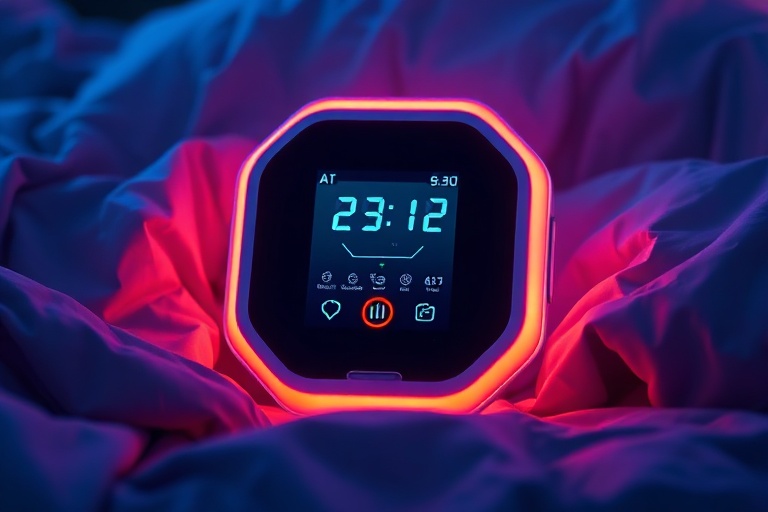
AI Tools Revolutionizing Sleep Management: Introducing Naptick
In a world that never sleeps, the quest for quality rest has become more critical than ever. With the advent of technology, especially artificial intelligence, managing sleep has taken a revolutionary turn. One of the standout innovations in this space is Naptick, an AI sleep companion designed to enhance sleep quality and monitor various environmental factors that affect our nightly rest. This article delves into how Naptick is reshaping sleep management through technology and what it means for the future of sleep science.
Understanding the Importance of Sleep
Before exploring Naptick, it’s essential to recognize the significance of sleep in our daily lives. Quality sleep is vital for:
- Physical Health: Sleep plays a crucial role in bodily functions, including immune system regulation and metabolic health.
- Mental Well-being: Lack of sleep can lead to mood disorders, anxiety, and cognitive decline.
- Productivity: Sufficient rest enhances focus, creativity, and overall productivity in both professional and personal life.
As awareness of sleep’s importance grows, so does the demand for solutions that can help improve sleep quality. Naptick emerges as a promising contender in this burgeoning market.
What is Naptick?
Naptick is an innovative AI-driven sleep companion that utilizes machine learning algorithms to analyze sleep patterns and environmental factors that impact sleep quality. This tool aims to provide users with personalized recommendations for enhancing their sleep experience.
- Sleep Monitoring: Naptick continuously tracks sleep stages, duration, and quality using advanced sensors.
- Environmental Analysis: The device monitors noise levels, room temperature, and light exposure to identify optimal sleeping conditions.
- Personalized Insights: By analyzing data, Naptick offers tailored suggestions to improve sleep habits and environmental factors.
How Naptick Works
Naptick operates through a combination of hardware and software components. Here’s how it functions:
- Data Collection: Equipped with sensors, Naptick collects data on various metrics, including heart rate, movement, and environmental conditions.
- Data Analysis: The AI algorithms process this data to identify patterns and correlations between sleep quality and environmental factors.
- Recommendations: Based on the analysis, Naptick provides actionable insights, such as optimal bedtime, ideal room temperature, and recommended sleep routines.
Practical Insights for Users
For users, Naptick offers numerous practical benefits:
- Improved Sleep Quality: By following personalized recommendations, users can significantly enhance their overall sleep quality.
- Better Awareness: Understanding one’s sleep patterns and environmental factors empowers users to make informed decisions about their sleeping habits.
- Health Monitoring: Continuous tracking can alert users to potential health issues, prompting them to seek medical advice when necessary.
Industry Implications
The introduction of AI tools like Naptick has broader implications for the sleep industry:
- Shift Towards Personalization: As AI continues to evolve, personalized sleep solutions will likely become the norm, catering to individual needs and preferences.
- Integration with Health Tech: Sleep management tools like Naptick can be integrated with other health monitoring devices, providing a holistic view of overall well-being.
- Research Advancements: The data collected by such tools can contribute to sleep research, leading to new discoveries about sleep patterns and disorders.
The Future of Sleep Management
Looking ahead, the future of sleep management with AI tools like Naptick appears promising:
- Enhanced AI Algorithms: Future iterations of Naptick are expected to incorporate more advanced machine learning techniques, enabling even more precise recommendations.
- Broader Accessibility: As technology becomes more affordable, tools like Naptick could become widely accessible, democratizing access to quality sleep solutions.
- Integration with Smart Homes: The potential for Naptick to integrate with smart home devices will allow for automated adjustments to create optimal sleep environments.
In conclusion, Naptick represents a significant advancement in the intersection of technology and sleep management. By leveraging AI and machine learning, it not only helps individuals improve their sleep quality but also paves the way for a future where personalized sleep solutions are the standard. As the sleep industry continues to evolve, innovations like Naptick will play a crucial role in enhancing our understanding of sleep and its impact on health.