The World’s First AI Guitar: Introducing Melo-D
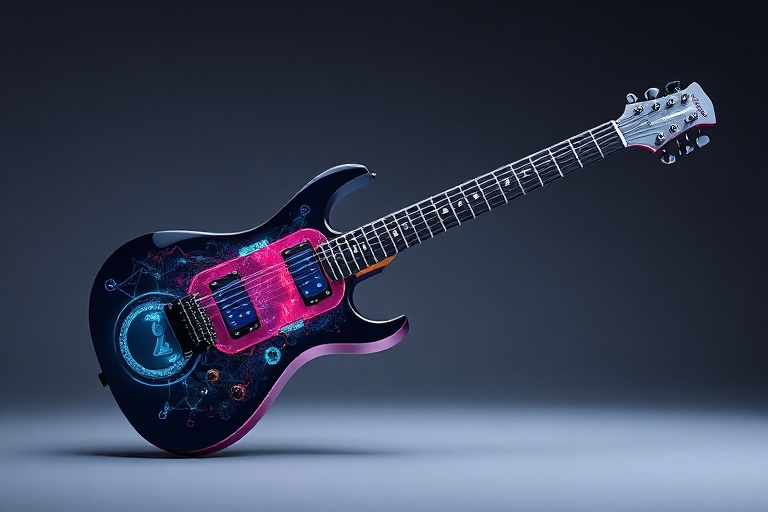
In a groundbreaking fusion of music and technology, the innovative instrument known as Melo-D has emerged as the world’s first AI guitar. This remarkable creation transforms simple melodies into intricate guitar solos through AI-assisted composition, opening up new horizons for musicians and hobbyists alike. As the music industry continues to evolve, the implications of such technology are both exciting and transformative.
What is Melo-D?
Melo-D is not just a conventional guitar; it is a smart instrument designed to assist musicians in composing music more efficiently. At its core, Melo-D leverages advanced algorithms and machine learning techniques to analyze melodies input by the user and generate complete guitar solos that complement the original tune. This innovative approach enables musicians of all skill levels to create complex musical pieces without needing extensive knowledge of music theory or composition.
How Does It Work?
The technology behind Melo-D involves several key components:
- Melody Input: Musicians can hum or play a melody into the device. The guitar’s built-in microphone captures the audio.
- AI Analysis: The AI analyzes the melody in real time, identifying key elements such as pitch, rhythm, and tempo.
- Composition: Using a deep learning model trained on thousands of guitar solos across various genres, Melo-D generates a full guitar accompaniment that aligns with the input melody.
- Output: The guitar plays back the composed solo, allowing the musician to hear the final result instantly.
Practical Insights
The introduction of Melo-D has significant implications for musicians, producers, and the music industry as a whole:
- Accessibility: Melo-D democratizes music creation by allowing anyone, regardless of their musical training, to compose complex pieces. This could lead to an influx of new talent and creativity in the music scene.
- Collaboration: Musicians can use Melo-D as a collaborative tool, working alongside the AI to refine their compositions and explore new musical ideas.
- Efficiency: Time is often a constraint for musicians. Melo-D streamlines the composition process, allowing artists to focus on creativity rather than technical details.
- Innovation in Music Production: Producers can leverage Melo-D for quick demos or to experiment with different styles, potentially speeding up the production timeline.
Industry Implications
The music industry is poised for transformation with the advent of AI-assisted instruments like Melo-D. Here are some potential impacts:
- New Genres and Styles: As musicians experiment with AI-generated compositions, new genres may emerge, blending traditional music with AI creativity.
- Shifts in Education: Music education may evolve to include lessons on how to effectively use AI in composition, altering the curriculum in music schools worldwide.
- AI as a Collaborator: The perception of AI in music may shift from tool to collaborator, leading to new partnerships between musicians and AI systems.
- Intellectual Property Considerations: As AI begins to create original compositions, questions will arise regarding copyright and ownership, necessitating a reevaluation of existing laws.
Future Possibilities
The future holds immense possibilities for AI in music, and Melo-D is just the beginning. Here are some potential developments we might see:
- Expanded Instrumentation: Following the success of Melo-D, we could see AI integration in other instruments such as keyboards, drums, and even orchestral instruments.
- Personalized Music Creation: Future iterations may allow users to input specific parameters, such as mood or style, leading to highly personalized music experiences.
- Real-Time Collaboration: Advancements may enable musicians across the globe to collaborate in real-time with AI, generating music that blends diverse styles instantly.
- Integration with Streaming Platforms: AI-generated music could find its way into streaming services, offering listeners unique and ever-evolving soundscapes.
Conclusion
Melo-D represents a significant leap in the intersection of technology and music, providing a glimpse into a future where AI not only assists but actively participates in the creative process. As we stand on the cusp of this revolution, musicians and tech enthusiasts alike must embrace the potential of AI to reshape our musical landscape.