Future Trends: AI Agents by 2027
As we venture deeper into the 21st century, the role of artificial intelligence (AI) agents is set to significantly evolve. By 2027, we can expect AI agents to become increasingly integrated into various facets of life, influencing both personal and professional environments. This article will explore the upcoming trends, capabilities, and implications of AI agents, providing insights for tech enthusiasts and professionals alike.
The Rise of Autonomous AI Agents
One of the most notable trends in the development of AI agents is the shift toward autonomy. By 2027, we can anticipate that AI agents will possess enhanced decision-making capabilities, enabling them to perform complex tasks with minimal human intervention. This evolution will be fueled by advancements in machine learning and natural language processing (NLP).
- Self-learning capabilities: AI agents will be able to learn from their interactions and improve their performance over time.
- Complex problem-solving: These agents will tackle sophisticated challenges in fields such as healthcare, finance, and logistics.
- Personalization: AI will adapt to individual user needs, creating tailored experiences across various applications.
Industry Implications
The evolution of AI agents will have profound implications across multiple industries. Here are a few sectors that will be significantly impacted:
- Healthcare: AI agents will assist in diagnostics, patient monitoring, and personalized treatment plans, thereby enhancing overall patient care.
- Finance: In the financial sector, AI agents will automate trading, risk assessment, and customer service, leading to increased efficiency and profitability.
- Retail: AI will transform the shopping experience through personalized recommendations and inventory management, improving customer satisfaction and operational efficiency.
- Manufacturing: Smart factories will leverage AI agents for predictive maintenance and supply chain optimization, reducing downtime and costs.
Enhanced Human-AI Collaboration
As AI agents become more capable, the nature of human-AI collaboration will also evolve. In 2027, we can expect:
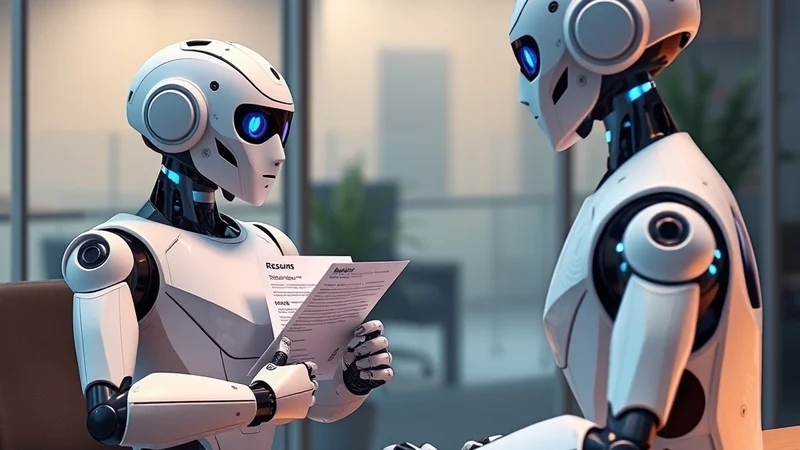
- Co-working environments: AI agents will work alongside humans, assisting in decision-making and administrative tasks.
- Augmented intelligence: Rather than replacing human jobs, AI will enhance human capabilities, allowing workers to focus on more strategic tasks.
- Transparent AI: With a focus on explainability, AI agents will provide insights into their decision-making processes, fostering trust and collaboration.
Ethical Considerations and Challenges
With the rapid advancements in AI technology, ethical considerations will come to the forefront. By 2027, the following challenges will need to be addressed:
- Bias in AI: Ensuring fairness and equity in AI algorithms will be crucial to prevent discriminatory practices.
- Data privacy: As AI agents collect and analyze vast amounts of personal data, safeguarding user privacy will be paramount.
- Job displacement: The automation of tasks could lead to job losses, necessitating workforce retraining and support programs.
Future Possibilities
The future of AI agents by 2027 is not just about technological advancements; it also encompasses a vision for a more connected and efficient world. Some potential future scenarios include:
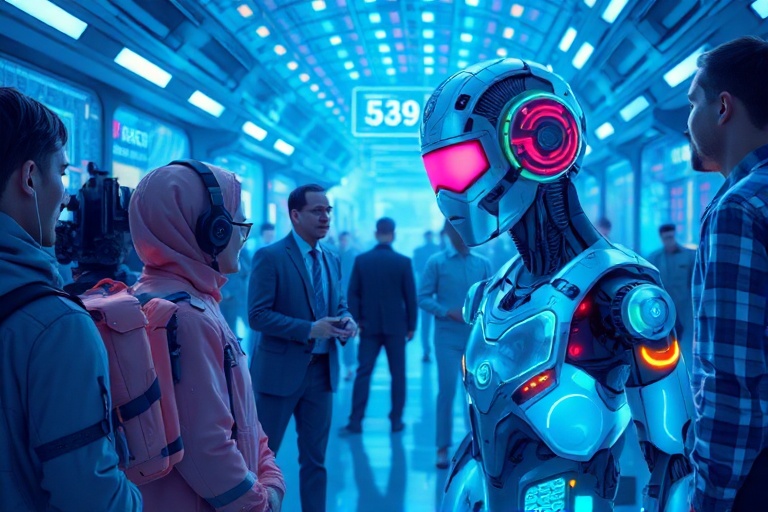
- Smart cities: AI agents will play a vital role in urban planning, traffic management, and public safety, making cities more livable.
- Personal AI companions: Individuals may have personal AI agents that assist them in daily tasks, from managing schedules to providing emotional support.
- Global collaboration: AI could facilitate international cooperation in tackling global challenges like climate change and pandemics through data sharing and analysis.
Conclusion
As we look ahead to 2027, the evolving role of AI agents promises to reshape our lives in unprecedented ways. With advancements in autonomy, collaboration, and ethical considerations, AI agents will not only enhance efficiency across industries but also transform the way we interact with technology. The future is bright for AI, and the opportunities are limitless.