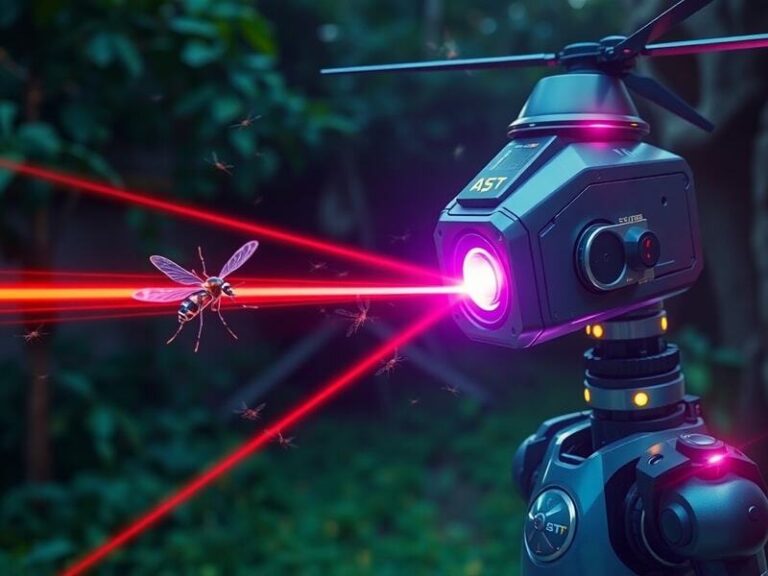
AI Laser Technology Targets Mosquitoes: A Breakthrough in Pest Control
As the world continues to grapple with the challenges posed by mosquito-borne diseases, innovative solutions are emerging to tackle this persistent problem. Among these, AI laser technology stands out as a game-changer, utilizing advanced computer vision and laser systems to effectively track and eliminate mosquitoes. This revolutionary approach not only promises to reduce mosquito populations but also significantly impacts pest control methodologies, public health, and environmental sustainability.
The Technology Behind AI Laser Systems
At the heart of this mosquito elimination strategy is a combination of computer vision, machine learning, and laser technology. The process can be broken down into several key components:
- Computer Vision: High-resolution cameras capture images of the environment, identifying mosquitoes amidst various backgrounds.
- Machine Learning Algorithms: These algorithms analyze the captured images to distinguish mosquitoes from other insects and objects, ensuring precision in targeting.
- Laser Systems: Once a mosquito is identified, a laser is activated to eliminate it instantly, minimizing any impact on non-target species.
This technology is designed to operate autonomously, with the ability to adapt and learn from its environment, thereby improving its accuracy over time. The integration of AI allows the system to function effectively in diverse settings, from urban areas to rural landscapes.
Practical Insights into Implementation
Implementing AI laser technology for mosquito control involves several practical considerations:
- Deployment Locations: These systems can be strategically placed in areas known for high mosquito populations, such as wetlands, backyards, and near standing water.
- Power Supply: Ensuring a reliable power source is crucial, especially in remote areas where mosquito-borne diseases are prevalent.
- Public Acceptance: Community education on the benefits and safety of using AI laser technology is vital for widespread adoption.
Initial pilot programs have shown promising results, with reports of significant reductions in mosquito populations within targeted zones. This success has spurred interest from local governments and health organizations looking to combat diseases such as malaria, dengue fever, and Zika virus.
Industry Implications
The introduction of AI laser technology into pest control signifies a major shift in how we approach mosquito management. Here are some implications for various industries:
- Public Health: Reducing mosquito populations can lead to lower transmission rates of diseases, resulting in healthier communities and reduced healthcare costs.
- Agriculture: Farmers can benefit from decreased pest populations, leading to improved crop yields and reduced pesticide use, promoting sustainability.
- Environmental Conservation: With targeted mosquito control, there’s potential to protect beneficial insect species and maintain ecological balance.
Moreover, this technology could inspire innovations in other areas of pest control, potentially leading to similar systems for targeting other nuisance insects, thereby broadening its application and impact.
Future Possibilities
The future of AI laser technology in pest control looks promising, with several developments on the horizon:
- Enhanced Algorithms: As machine learning algorithms evolve, they will become more adept at distinguishing between various insect species, improving targeting efficiency.
- Integration with IoT: Combining AI laser systems with the Internet of Things (IoT) could enable real-time monitoring and data collection, allowing for dynamic response strategies based on mosquito activity.
- Global Expansion: As the technology matures, it is likely to be adopted in various countries, especially those heavily impacted by mosquito-borne diseases.
Furthermore, the ongoing research in artificial intelligence and robotics may lead to the development of even more sophisticated systems capable of adapting to changing environments and pest behaviors.
Conclusion
AI laser technology represents a significant breakthrough in pest control, offering a targeted, effective, and environmentally friendly solution to one of humanity’s oldest challenges. By leveraging advancements in AI and machine learning, we are not only enhancing our ability to manage mosquito populations but also paving the way for future innovations in pest management. As we continue to explore the potential of this technology, it holds the promise of a healthier, safer world free from the threats posed by mosquitoes.