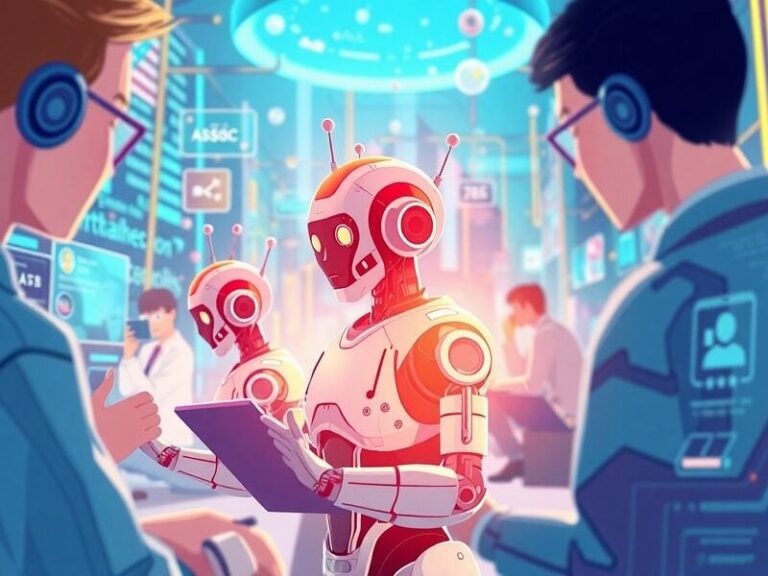
Bots Outnumber Humans Online: A New Era of Digital Interaction
The digital landscape is undergoing a profound transformation, as the number of automated bots accessing the internet now surpasses that of human users. This shift signifies not just a change in the volume of traffic but also represents a new era of digital interaction. As businesses, developers, and users navigate this new terrain, understanding the implications of this trend is critical.
The Rise of Bots
In recent years, the proliferation of bots has been staggering. According to various estimates, bots account for over 60% of web traffic, with some reports suggesting that this figure could rise even higher. These bots, which range from simple scripts to complex AI-driven entities, perform a multitude of functions that can significantly impact the online ecosystem.
- Data Scraping: Bots collect information from websites, which can be used for everything from research to competitive analysis.
- Customer Support: Many companies deploy chatbots to handle customer inquiries, providing 24/7 service without human intervention.
- Advertising and Marketing: Bots are often employed to automate ad placements and assess campaign performance.
- Malicious Activities: Unfortunately, the rise of bots also includes harmful actors that engage in activities like spamming, credential stuffing, and DDoS attacks.
Implications for Businesses and Technology
The surge in bot traffic has several implications for businesses and technology stakeholders:
- Increased Competition: As more businesses adopt automated solutions, the competition for attention online intensifies. Companies must innovate continually to stand out amidst the noise created by both bots and human users.
- Data Analysis and Insights: The volume of data generated by bots can provide valuable insights into consumer behavior and market trends. Businesses that harness this data effectively can gain a competitive edge.
- Security Challenges: With the increase in bot traffic, the risk of cyber threats also escalates. Companies need robust security measures to distinguish between legitimate bots and those with malicious intent.
- Shift in Marketing Strategies: Marketers must rethink their strategies to engage with their audiences effectively, ensuring that they’re not just reaching bots but genuine users who can convert into customers.
Practical Insights for Businesses
As bots become a more significant part of the online ecosystem, businesses must adapt their strategies accordingly. Here are some practical insights:
- Invest in Bot Detection Technologies: Implement solutions that can differentiate between human and bot traffic, helping to filter out unwanted or harmful interactions.
- Leverage AI for Personalized Engagement: Utilize AI-driven tools to enhance customer experiences, ensuring interactions feel personal even when automated.
- Focus on Quality Content: Create content that attracts real users. High-quality, engaging content is more likely to be shared by human users, countering the noise created by bots.
- Monitor Analytics Regularly: Keep an eye on analytics to understand the impact of bot traffic on your website’s performance. Adjust your strategies based on these insights.
Future Possibilities
Looking ahead, the landscape of digital interaction will likely continue to evolve:
- Enhanced AI Capabilities: As AI technology matures, bots will become increasingly sophisticated, capable of performing more complex tasks and interacting more naturally with users.
- Regulatory Developments: Governments may introduce regulations regarding bot traffic, requiring transparency about automated systems and their purposes.
- Integration with IoT: The Internet of Things (IoT) will likely see an increase in bot utilization, as devices become more interconnected and require automated responses.
- Ethical Considerations: The rise of bots raises ethical questions regarding privacy, data usage, and the potential for manipulation through automated systems.
Conclusion
The fact that bots now outnumber human users online marks a pivotal moment in digital interaction. While this presents significant challenges, it also offers exciting opportunities for innovation and engagement. Businesses and technology leaders must navigate this new era thoughtfully, leveraging the benefits of automation while remaining vigilant against its potential pitfalls. The future will likely be shaped by those who can effectively integrate bots into their strategies, ensuring a harmonious balance between automated and human interactions.