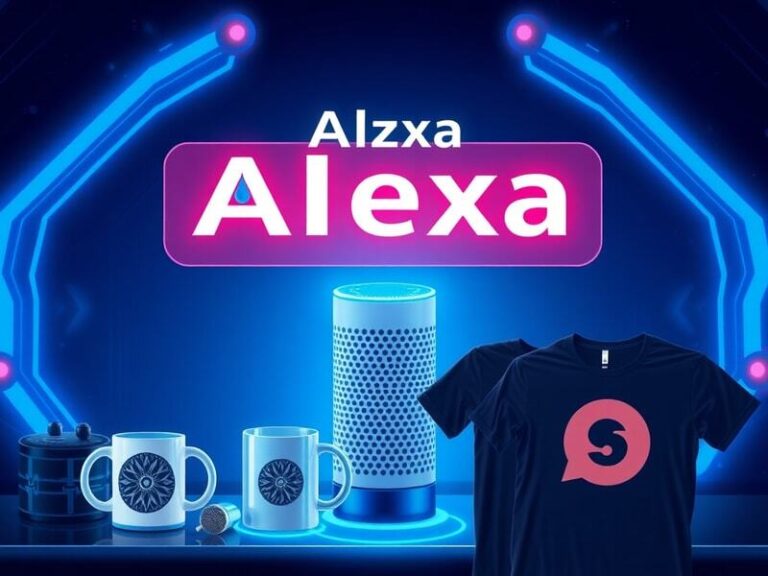
Alexa’s New Role: Designing Custom Merchandise
In an era where personalization is at the forefront of consumer preferences, Amazon’s Alexa is evolving beyond its traditional role as a virtual assistant. With the advent of advanced artificial intelligence and machine learning technologies, Alexa is now capable of creating custom merchandise tailored to individual tastes and preferences. This innovation not only enhances user experience but also signifies a shift in how brands interact with consumers.
The Technology Behind Custom Merchandise
Alexa’s ability to design personalized products is rooted in a combination of sophisticated technologies:
- Natural Language Processing (NLP): Alexa employs NLP to understand user requests accurately, interpreting nuances in language to generate appropriate responses.
- Machine Learning Algorithms: These algorithms analyze user data and preferences to suggest personalized merchandise, learning over time to improve accuracy.
- 3D Printing Technologies: By integrating with 3D printers, Alexa can facilitate the creation of physical products based on user specifications in real-time.
Practical Insights: How It Works
The process of designing custom merchandise with Alexa is user-friendly and efficient. Here’s how it typically works:
- User Interaction: The user initiates a conversation with Alexa, expressing interest in a specific product, such as a custom mug or t-shirt.
- Preference Gathering: Alexa asks a series of questions to gather details about preferences, including colors, themes, and any text or images the user wishes to incorporate.
- Design Creation: Using machine learning, Alexa generates a design that aligns with the user’s specifications and offers suggestions based on popular trends.
- Order Placement: Once the user finalizes the design, Alexa can place the order directly with manufacturers that support custom merchandise.
Industry Implications
The introduction of custom merchandise through voice-activated systems like Alexa carries significant implications for various industries:
- Retail Transformation: Traditional retail models are being upended as consumers increasingly prefer personalized products that reflect their individuality.
- Brand Engagement: Brands that leverage Alexa for custom merchandise can enhance customer loyalty by offering unique products that resonate with consumer preferences.
- Supply Chain Innovations: On-demand manufacturing facilitated by AI can reduce waste and optimize inventory management for companies, aligning production closely with consumer demand.
Future Possibilities
The future of Alexa’s role in custom merchandise design is promising and filled with possibilities:
- Enhanced Personalization: As machine learning models evolve, Alexa will become increasingly adept at predicting user preferences, leading to even more tailored product suggestions.
- Collaborative Designs: Future iterations may allow multiple users to collaborate on designs, creating products that reflect group dynamics and preferences.
- Integration with Augmented Reality (AR): Imagine using AR to visualize custom merchandise in your home before purchasing, making the experience more immersive and interactive.
Conclusion
Alexa’s new role in designing custom merchandise represents a significant milestone in the intersection of technology and consumerism. By harnessing AI and machine learning, Alexa not only enhances user engagement but also sets the stage for a future where personalization is ubiquitous in retail. As technology continues to advance, we can anticipate an exciting evolution in how brands create and deliver products, ultimately transforming consumer experiences in remarkable ways.