Training the Next Generation of AI Specialists: Anthropic’s Initiative on the Claude Model
In the rapidly evolving landscape of artificial intelligence (AI), the demand for skilled professionals is skyrocketing. Recognizing the need to cultivate a workforce capable of leveraging AI technologies for social good, Anthropic has initiated a pioneering program aimed at educating 1,000 individuals on the Claude model. This initiative not only focuses on enhancing technical skills but also emphasizes the ethical applications of AI in nonprofit sectors.
The Claude Model: A Brief Overview
Before diving into the educational initiative, it’s essential to understand what the Claude model is. Developed by Anthropic, Claude is a robust AI language model designed to assist with a variety of applications, including text generation, summarization, and conversational agents. Its capabilities make it an ideal tool for nonprofits looking to maximize their outreach and efficiency.
Why Focus on Nonprofit Applications?
The nonprofit sector often faces unique challenges, including limited resources and the need for innovative solutions to maximize impact. By training individuals on the Claude model, Anthropic aims to:
- Bridge the Skills Gap: Equip individuals with knowledge and skills that are currently in high demand.
- Empower Nonprofits: Enable organizations to leverage AI tools that can help them operate more efficiently.
- Foster Innovation: Encourage new ideas and applications of AI that can solve pressing social issues.
Practical Insights from the Initiative
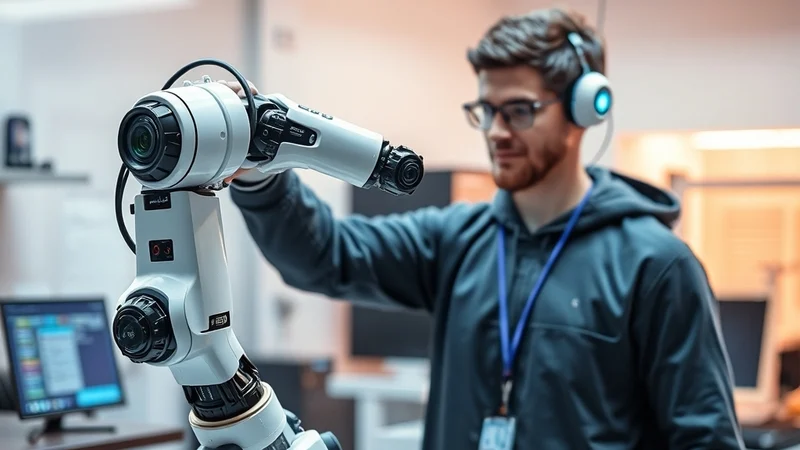
The training program is structured to provide hands-on experience and practical skills. Participants will engage in a variety of learning modules, which include:
- Introduction to AI and Machine Learning: Understanding the basics and the significance of AI in today’s world.
- Deep Dive into the Claude Model: Exploring its architecture, capabilities, and applications.
- Ethics in AI: Discussing the ethical considerations and responsibilities of using AI technology, especially in nonprofit work.
- Real-World Projects: Collaborating on projects that implement Claude in nonprofit contexts, such as automating donor communications or analyzing community needs.
Industry Implications
Training the next generation of AI specialists has far-reaching implications for the industry:
- Increased Workforce Diversity: By targeting a broad audience, the initiative aims to create a more diverse pool of talent in AI.
- Nonprofit Sector Growth: With trained individuals, nonprofits can implement AI solutions that enhance their operations and outreach, ultimately driving social change.
- Ethical AI Use: By emphasizing ethics, the initiative aims to cultivate responsible AI practitioners who prioritize societal impacts over profit.
Future Possibilities
As Anthropic’s initiative unfolds, the future of AI in nonprofit applications looks promising. Here are some potential developments:
- Scalability: Nonprofits could scale their operations significantly by utilizing AI to handle repetitive tasks, thereby allowing human resources to focus on strategic initiatives.
- Enhanced Data Insights: AI can analyze large datasets to uncover trends and insights that would otherwise remain hidden, enabling nonprofits to make data-driven decisions.
- Collaborative Innovation: Trained individuals may collaborate with tech companies to create tailored AI solutions for specific nonprofit challenges, fostering a culture of innovation.
Conclusion
Anthropic’s initiative to educate 1,000 individuals on the Claude model represents a significant step toward building a future where AI technologies are accessible and beneficial to all, especially in the nonprofit space. By focusing on practical skills and ethical considerations, this program not only prepares the next generation of AI specialists but also empowers nonprofits to harness the transformative power of AI for social good. As we move forward, the implications of this initiative could reshape how organizations operate and deliver value, ultimately paving the way for a more equitable and innovative future.