Multimodal AI: Stanford’s Groundbreaking Research
Artificial Intelligence (AI) has made significant strides in recent years, primarily focusing on unimodal approaches. However, Stanford University is pioneering an exciting frontier in AI research: native multimodal AI. This innovative approach integrates multiple forms of data—text, images, audio, and more—into a cohesive system, allowing for richer interactions and insights. In this article, we will explore Stanford’s groundbreaking research into multimodal AI, its potential applications, and what the future holds for this transformative technology.
Understanding Multimodal AI
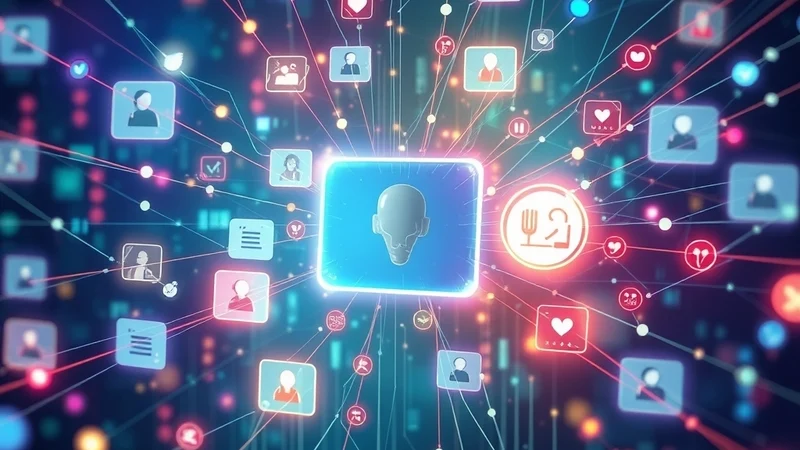
Multimodal AI refers to AI systems that can process and understand information from various modalities simultaneously. Traditional AI models typically focus on a single type of data, such as text or images. In contrast, multimodal AI leverages the strengths of multiple data types, enhancing the model’s ability to understand context and nuance.
For example, consider a virtual assistant that can process spoken commands while also analyzing visual cues from the user’s environment. This capability opens up a range of applications that were previously unattainable with unimodal systems.
Stanford’s Research Initiatives
Stanford’s research into multimodal AI is expansive, focusing on various aspects, including:
- Data Fusion: The integration of disparate data sources to create a more holistic understanding.
- Model Development: Creating advanced algorithms that can efficiently process and analyze multimodal data.
- Human-Computer Interaction: Enhancing user experiences by making interactions more intuitive and responsive to multiple inputs.
- Applications in Diverse Fields: Exploring how multimodal AI can be applied in healthcare, education, and entertainment.
Practical Insights and Industry Implications
The implications of Stanford’s research on multimodal AI are vast. For industries, this technology can lead to:
- Improved Customer Experiences: Businesses can create more engaging and personalized interactions with customers. For instance, a retail app could analyze a customer’s voice, preferences, and current visual context to recommend products.
- Enhanced Data Analysis: Organizations can leverage multimodal AI for better insights. In healthcare, for example, combining patient records (text), medical imaging (visual), and real-time sensor data (audio) can lead to more accurate diagnoses.
- Greater Accessibility: Multimodal systems can be designed to better accommodate users with disabilities. For instance, a system that understands both speech and sign language can facilitate communication for those who are hearing impaired.
Future Possibilities
As Stanford continues to advance its research in multimodal AI, the future holds exciting possibilities. Here are some potential developments to watch for:
- Autonomous Systems: Multimodal AI could play a crucial role in the development of autonomous vehicles. By integrating visual data from cameras, auditory signals from the environment, and navigational inputs, these systems could operate more safely and effectively.
- Smart Environments: Imagine homes that can interpret and respond to a combination of voice commands, visual cues, and even emotional states. This could lead to fully automated environments that cater to individual needs.
- Advanced Robotics: Robots equipped with multimodal AI could interact with humans more naturally. They could understand gestures, respond to verbal instructions, and even recognize facial expressions.
Moreover, the ethical considerations surrounding multimodal AI will also evolve. With greater capabilities comes the responsibility to ensure that these systems are used ethically and do not perpetuate biases inherent in their training data.
Conclusion
Stanford’s exploration of native multimodal AI is setting the stage for a new era of AI technology. As researchers uncover the potential applications and implications of this innovative approach, industries from healthcare to entertainment stand to benefit significantly. The seamless integration of multiple data types will not only enhance user experiences but also revolutionize how we interact with machines. As we look to the future, the advancements in multimodal AI promise to bridge the gap between humans and technology in ways we are just beginning to imagine.