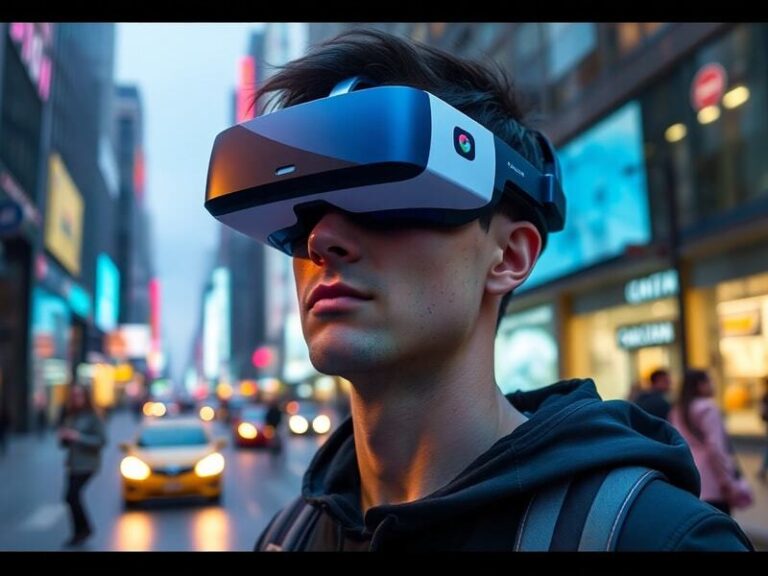
The Rise of Android XR Glasses in AI Applications
In recent years, the convergence of artificial intelligence (AI) and augmented reality (AR) has paved the way for innovative technologies that are reshaping user interaction across various domains. One of the most exciting developments in this space is the emergence of Android XR glasses. These lightweight AR devices are not only enhancing the way users engage with digital content but are also significantly impacting the application of AI technologies in everyday life.
The Lightweight Revolution
Android XR glasses represent a revolutionary leap in how we perceive and interact with our digital environment. Unlike traditional AR devices, which can be bulky and cumbersome, these glasses are designed for comfort and ease of use. This lightweight nature allows users to wear them for extended periods without discomfort, making them more appealing for various applications.
Practical Insights into AI Applications
The integration of AI within Android XR glasses opens up a multitude of practical applications that can enhance user experience and streamline interactions with technology. Some notable practical applications include:
- Enhanced Navigation: With real-time navigation updates projected directly into the user’s field of view, AR glasses can guide users through complex environments, such as city streets or large indoor spaces, while leveraging AI to optimize routes.
- Personalized Content Delivery: AI algorithms can analyze user behavior and preferences, allowing AR glasses to deliver tailored content, such as advertisements or notifications, in a more engaging manner.
- Remote Collaboration: XR glasses can facilitate remote collaboration by overlaying digital content onto the physical world, enabling teams to work together seamlessly, regardless of their location.
- Interactive Learning: In educational settings, AR glasses can enhance learning experiences by providing interactive lessons where AI assists in adapting the content to meet individual student needs.
Industry Implications
The rise of Android XR glasses has significant implications across various industries:
- Healthcare: Surgeons can use AR glasses to visualize patient data and surgical overlays during operations, improving precision and outcomes, while AI aids in decision-making.
- Retail: Retailers can integrate AR glasses into their shopping experience, allowing customers to visualize products in their homes before making a purchase, with AI suggesting complementary items.
- Manufacturing: Assembly line workers can benefit from real-time data and instructions projected on their XR glasses, enhancing productivity and reducing errors, supported by AI analytics.
- Entertainment: In gaming and media, AR glasses provide immersive experiences that blend reality with digital elements, while AI personalizes player interactions and challenges.
Challenges and Considerations
Despite the exciting possibilities, the integration of Android XR glasses with AI technologies also presents several challenges:
- Privacy Concerns: With the ability to capture and analyze user data, there are significant privacy concerns regarding how this data is stored and used.
- Technical Limitations: Current hardware capabilities may limit the performance of AR applications, necessitating ongoing advancements in technology.
- User Acceptance: The success of XR glasses heavily relies on user acceptance and comfort with AR technology, requiring robust user education and support.
Future Possibilities
The future of Android XR glasses in AI applications is bright, with several possibilities on the horizon:
- Integration with Smart Environments: As smart home technology evolves, XR glasses could function as the interface for controlling various devices, guided by AI to optimize energy use and enhance convenience.
- Advancements in AI Algorithms: Continued improvements in AI will enable more sophisticated interactions with AR environments, leading to more intuitive user experiences.
- Expansion into Everyday Life: As the technology becomes more affordable and user-friendly, we may see widespread adoption of AR glasses in daily activities, from shopping to social interactions.
- Collaboration with Other Technologies: The fusion of XR with other technologies, such as 5G and IoT, could unlock new applications, creating a more interconnected and immersive digital ecosystem.
In conclusion, the rise of Android XR glasses is not merely a trend but a fundamental shift in how we engage with AI technologies. By providing a seamless and lightweight interface, these devices are set to transform user interactions across various sectors. As the technology matures, it promises to enhance our capabilities in ways we are only beginning to imagine.