Mind-Reading AI: Communicating Without Implants
The concept of mind-reading has long been the realm of science fiction, but recent advancements in artificial intelligence and neuroscience are bringing this idea closer to reality. Imagine a world where individuals can communicate through brainwaves, eliminating the need for spoken language or physical interaction. This groundbreaking technology, often referred to as “mind-reading AI,” is not about implanting devices in the brain but rather using sophisticated algorithms to decode neural signals in real time.
The Technology Behind Mind-Reading AI
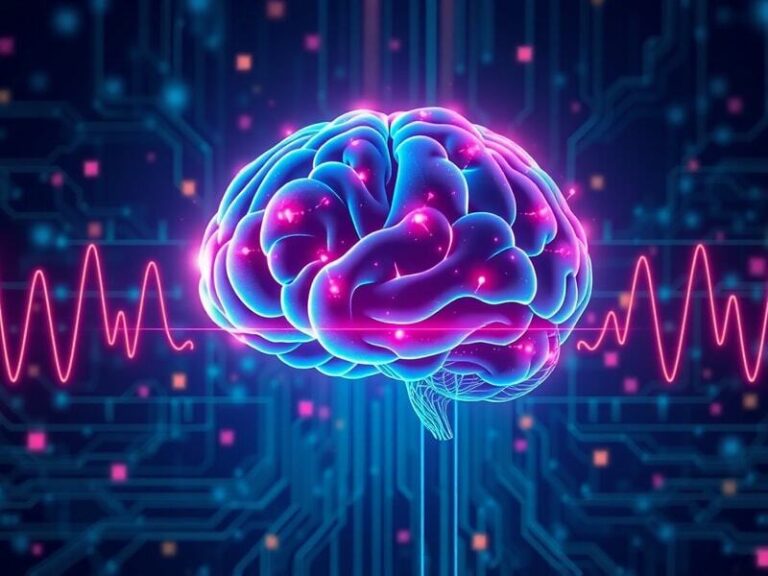
At its core, mind-reading AI relies on the interpretation of brain activity, typically captured through non-invasive techniques like electroencephalography (EEG). EEG measures electrical activity in the brain through electrodes placed on the scalp. Recent innovations in AI, particularly in machine learning, have enabled researchers to interpret these signals with remarkable accuracy.
Here are some key components of this technology:
- Neural Signal Processing: Advanced algorithms analyze raw EEG data to identify patterns associated with specific thoughts or intentions.
- Machine Learning Models: Supervised and unsupervised learning techniques are employed to train models on large datasets, allowing them to generalize and make predictions about brain activity.
- Real-time Feedback: The integration of AI allows for immediate interpretation and feedback, making communication seamless and intuitive.
Practical Applications
The implications of mind-reading AI are vast and varied. Here are some potential applications:
- Assistive Communication: Individuals with speech impairments or neurological disorders could use this technology to communicate more effectively, enhancing their quality of life.
- Gaming and Entertainment: Imagine controlling video games with your thoughts, providing an immersive experience that transcends traditional input methods.
- Education and Training: Real-time feedback on cognitive processes could revolutionize learning, allowing for personalized education based on individual brain activity.
- Market Research: Businesses could gain insights into consumer preferences by analyzing neural responses to products and advertisements.
Industry Implications
The rise of mind-reading AI presents both exciting opportunities and ethical considerations. Industries such as healthcare, entertainment, and marketing stand to benefit significantly:
- Healthcare: The ability to decode thoughts could lead to breakthroughs in understanding mental health disorders and tailoring treatments to individual needs.
- Entertainment: Content creators may develop more engaging experiences by leveraging audience brainwave data to gauge emotional responses.
- Marketing: Brands could create targeted campaigns based on real-time neural feedback, maximizing engagement and conversion rates.
However, these advancements also raise critical ethical questions regarding privacy and consent. As technology develops, ensuring that individuals maintain control over their neural data will be paramount.
Future Possibilities
Looking ahead, the future of mind-reading AI is rife with potential. Here are some possibilities that could shape the next decade:
- Enhanced Brain-Computer Interfaces (BCIs): The integration of AI with BCIs could lead to more sophisticated communication methods that bridge the gap between human cognition and digital technology.
- Telepathic Communication: Imagine a world where people can communicate thoughts and emotions without words, fostering deeper connections.
- Neurofeedback Therapy: AI-driven applications could provide therapeutic interventions for mental health by helping individuals recognize and modify harmful thought patterns.
- Regulatory Frameworks: As mind-reading technology advances, regulatory bodies will need to establish guidelines to protect individuals from potential abuses.
The journey towards effective mind-reading AI is just beginning, and while the path is fraught with challenges, the potential to revolutionize communication and enhance human interaction is undeniable. We stand on the cusp of a new era in technology—one where understanding and connecting with one another may transcend the spoken word.