AI Kills the College Degree: Exploring the Impact of AI on Educational Qualifications and the Job Market
The rapid advancement of artificial intelligence (AI) and machine learning technologies is reshaping various sectors, and education is no exception. As we venture into an era where skills often outweigh traditional qualifications, the relevance of a college degree is being questioned. This article explores the implications of AI on educational qualifications and the job market, providing insights into how these changes may evolve.
The Changing Landscape of Education
In the past, a college degree was seen as a ticket to employment, particularly in competitive fields. However, with the rise of AI technologies, we are witnessing a paradigm shift:
- Alternative Learning Platforms: Online courses, bootcamps, and self-paced learning options are gaining traction. Platforms like Coursera and Udacity offer courses developed by top universities and tech companies.
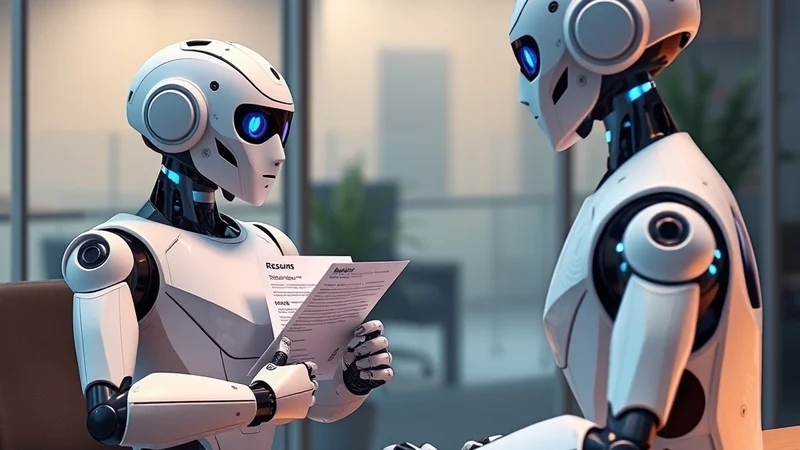
- Skill-Based Hiring: Employers are increasingly prioritizing skills over traditional degrees. Companies such as Google and IBM have started to hire candidates based on their competencies, rather than their educational background.
- AI-Driven Assessments: Tools powered by AI can evaluate candidates’ skills and knowledge through simulations and real-world problem-solving scenarios, providing a more accurate picture of their capabilities.
Industry Implications
The impact of AI on educational qualifications has profound implications for various industries:
- Tech Industry: The tech sector has always been at the forefront of innovation. As AI becomes integral to software development, companies may focus on programming skills and relevant experience rather than formal degrees.
- Healthcare: In healthcare, AI technologies are assisting in diagnostics and treatment planning. While medical degrees remain essential, AI tools are enabling professionals to enhance their skills through continual learning.
- Manufacturing: Automation and AI are transforming manufacturing jobs. Workers are required to adapt to new technologies, leading to the rise of vocational training and on-the-job learning.
The Role of AI in Education
AI is not only changing how we view qualifications but also how education is delivered:
- Personalized Learning: AI can tailor educational experiences to individual needs, allowing students to learn at their own pace and style.
- Accessibility: AI tools can help bridge the gap for learners with disabilities by providing customized resources and support.
- Real-Time Feedback: AI systems can offer immediate feedback on assignments and exams, helping students understand their strengths and weaknesses quickly.
Future Possibilities
As AI continues to evolve, its influence on education and the job market will likely deepen:
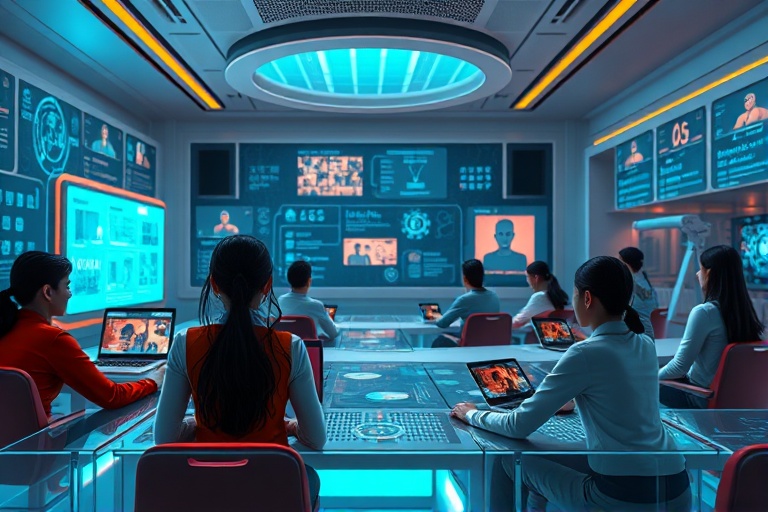
- Hybrid Learning Models: The future of education may involve a combination of online and in-person learning, supported by AI technologies that facilitate collaboration.
- Blockchain Credentials: Blockchain could revolutionize how qualifications are verified, providing a secure method for individuals to showcase their skills and experiences without traditional degrees.
- Continual Learning Culture: The job market may shift towards a model where continuous learning becomes the norm, necessitating ongoing skill development and adaptation.
In conclusion, the emergence of AI is challenging traditional notions of education and qualifications. As the job market evolves, both educators and employers must adapt to this new landscape. Embracing innovative learning methods and recognizing the value of skills over degrees will be crucial in preparing for a future where AI plays an integral role in our professional lives.