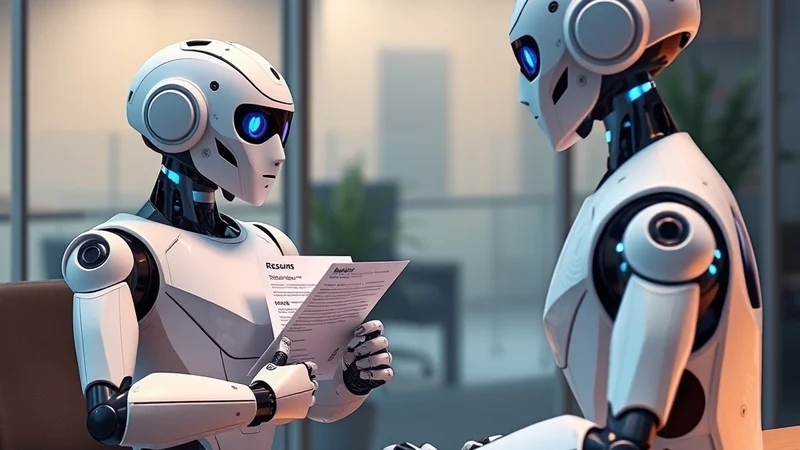
Warnings from Nobel Laureates: The Impending AI Tsunami
In recent years, a chorus of Nobel Laureates and esteemed scholars have raised alarms regarding the rapid advancements in artificial intelligence (AI) and their potential to disrupt the job market. As we stand on the brink of what some are calling an “AI tsunami,” it is crucial to heed these warnings and prepare for the seismic shifts that AI technologies will bring to various industries.
The Current Landscape of AI Development
AI technologies have progressed at an unprecedented pace, with innovations such as machine learning, natural language processing, and robotics transforming the way businesses operate. Companies are increasingly leveraging AI to enhance efficiency, reduce costs, and improve decision-making processes. However, this rapid adoption comes with significant implications for the workforce.
- Automation of Routine Tasks: Many jobs that involve repetitive tasks are being automated, leading to a decline in demand for low-skilled labor.
- AI in Decision Making: AI systems are now capable of analyzing vast amounts of data to inform strategic decisions, reducing the need for human intervention.
- New Job Creation: While AI may eliminate certain jobs, it is also expected to create new roles that require specialized skills in AI management and development.
Predictions from Experts
Experts warn that the displacement of jobs due to AI will not be gradual; rather, it will occur rapidly and with little warning. Some notable predictions include:
- Job Displacement: A significant portion of the workforce, particularly in manufacturing and administrative roles, could be affected. Estimates suggest that up to 50% of jobs could be at risk of automation within the next two decades.
- Economic Inequality: As AI transforms industries, there is a potential for increased economic disparity. Those who possess the skills to work alongside AI technologies will thrive, while others may struggle to find new employment.
- Shift in Education and Training: Educational systems must evolve to prepare the future workforce for an AI-driven economy. Lifelong learning and reskilling will become essential for job security.
Industry Implications
The implications of AI advancements are not limited to job displacement; they extend to various sectors, including:
- Healthcare: AI is revolutionizing diagnostics, patient care, and administrative processes, improving outcomes but potentially reducing the need for human roles in certain areas.
- Finance: Automated trading systems and AI-driven risk assessments are changing the landscape of financial services, leading to increased efficiency but also raising concerns over job security.
- Manufacturing: Smart factories employing robotics and AI are transforming production lines, which may lead to a decline in traditional manufacturing jobs.
Future Possibilities
While the warnings are dire, there are also opportunities that AI presents. The future could witness:
- New Industries: Just as the internet spawned new sectors, AI is expected to give rise to entirely new fields, such as AI ethics, data privacy management, and AI-driven creative industries.
- Enhanced Collaboration: AI can augment human capabilities, enabling workers to focus on more complex tasks while AI handles mundane operations.
- Global Collaboration: As countries grapple with AI’s implications, international cooperation may emerge to address challenges such as regulation and ethical standards.
An Urgent Call for Action
Given the profound changes on the horizon, it is imperative for governments, businesses, and educational institutions to take proactive measures. The following steps can help mitigate the risks associated with AI advancements:
- Policy Development: Governments should create policies that support workforce transition, including safety nets for displaced workers and incentives for companies that invest in employee retraining.
- Investment in Education: Educational institutions must adapt curricula to include AI literacy, critical thinking, and technical skills that align with future job demands.
- Industry Partnerships: Collaboration between tech companies and educational institutions can facilitate the development of training programs that equip workers with necessary skills.
As the wave of AI innovation approaches, the call for action is clear. By preparing for the changes ahead, society can harness the potential of AI while minimizing its disruptive effects. Embracing this transformative technology with a strategic mindset will be crucial for navigating the complexities of the future job market.