The Vatican Hosts AI Peace Summit: A Gathering of World Leaders and AI Experts
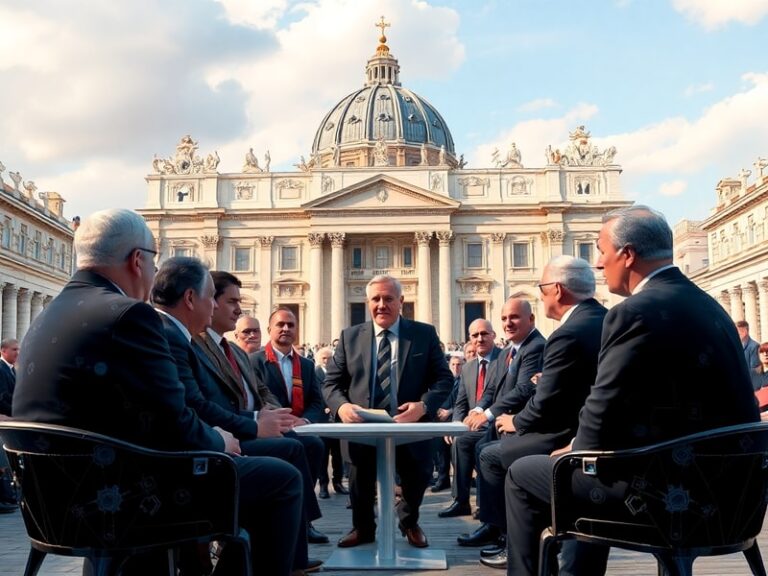
In an unprecedented move, the Vatican has hosted a peace summit aimed at addressing the pressing issues surrounding artificial intelligence (AI), nuclear weapons, and global security. As AI technology continues to evolve at an astonishing rate, the potential implications for international security are becoming increasingly critical. Leaders from various nations, along with AI experts, gathered to discuss how AI can be harnessed for peace rather than conflict, ensuring that emerging technologies contribute positively to the global landscape.
The Context of the Summit
The intersection of AI and nuclear weapons poses unique challenges. With AI being integrated into military systems, the risks associated with automated decision-making become paramount. The Vatican, as a neutral ground for dialogue, provided an ideal setting for leaders to explore these complex issues. The summit aimed to:
- Encourage open dialogue between technology experts and policymakers.
- Examine the ethical implications of AI in warfare.
- Promote international cooperation in AI governance.
Key Discussions and Insights
Throughout the summit, several key topics emerged, highlighting the multifaceted relationship between AI, nuclear security, and global peace.
AI and Decision-Making in Military Applications
One of the most pressing concerns discussed was how AI could be utilized in military decision-making processes. While AI can enhance operational efficiency, it also raises ethical questions about accountability and the potential for autonomous weapons to make life-and-death decisions without human intervention.
Experts at the summit emphasized the need for strict regulations and ethical guidelines governing AI use in military contexts. As AI systems become more sophisticated, ensuring that human oversight remains a cornerstone of military strategy is essential.
Global Governance of AI Technologies
Another significant topic was the establishment of global governance frameworks for AI technologies. The leaders recognized that unilateral efforts to regulate AI could lead to fragmentation and increased tensions between nations. Instead, they advocated for:
- Creating international treaties focused on AI and security.
- Developing standards for ethical AI development and deployment.
- Encouraging transparency in AI research and military applications.
Practical Implications for Industry
The discussions at the Vatican summit have far-reaching implications for industries engaged in AI development and deployment. Companies must consider the ethical dimensions of their technologies, especially those with potential military applications. As governments look to regulate AI more closely, businesses will need to align with emerging policies and standards.
A Call for Responsible Innovation
Industry leaders must champion responsible innovation that prioritizes safety and ethical considerations. This includes:
- Investing in research that addresses ethical AI development.
- Engaging with policymakers to shape regulations that support innovation while safeguarding humanity.
- Fostering an industry culture that values transparency and accountability.
Future Possibilities: AI as a Force for Good
While the concerns surrounding AI and global security are significant, the summit also illuminated the potential for AI to promote peace and stability. AI technologies can be leveraged for:
- Conflict resolution through predictive analytics and data-driven insights.
- Enhancing communication and collaboration between nations.
- Monitoring compliance with international treaties related to nuclear arms.
As AI continues to develop, its applications in peacekeeping and diplomacy could reshape how nations interact, fostering a more secure global environment.
Conclusion
The Vatican’s AI Peace Summit serves as a pivotal moment in the ongoing dialogue about technology’s role in global security. By bringing together leaders and experts from diverse backgrounds, the summit has set the stage for collaborative efforts to ensure that AI is harnessed for peace rather than conflict. As the world navigates the complexities of AI and its implications for security, it is essential to prioritize ethical considerations and foster international cooperation.