AI Film Challenges Hollywood Blockbuster: An AI-Generated Retelling of a Classic Epic
As artificial intelligence continues to evolve, its applications in the creative arts have become increasingly prominent. One of the most fascinating developments is the emergence of AI-generated films, which challenge the traditional paradigms of filmmaking. In a groundbreaking event, an AI-generated retelling of a classic epic has found itself in competition with a major Hollywood release. This article explores the implications of this technological innovation for the film industry, the creative process, and future possibilities.
The Rise of AI in Filmmaking
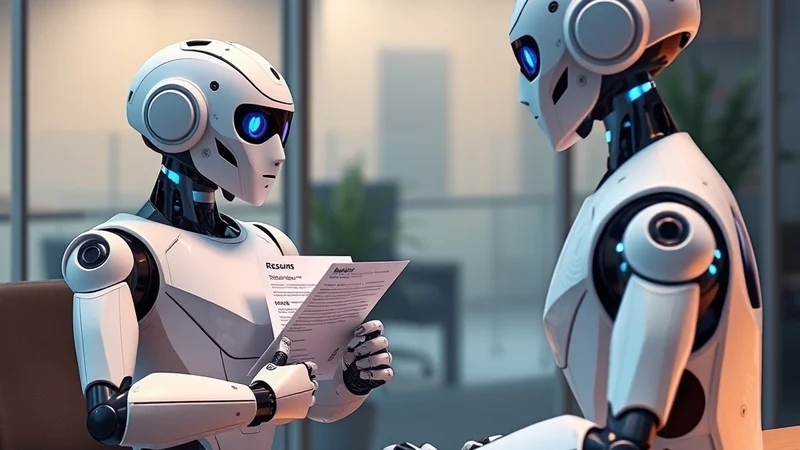
The integration of AI in various industries has transformed the way we operate, and the film industry is no exception. AI tools are being used for:
- Scriptwriting: AI algorithms can analyze vast amounts of data from successful films to generate scripts that capture audiences’ attention.
- Editing: AI-driven editing software can sift through hours of footage to find the best takes and suggest edits, significantly reducing post-production time.
- Visual Effects: Machine learning techniques are now used to create stunning visual effects, enhancing the cinematic experience.
- Audience Analysis: AI can analyze viewer preferences and trends, helping studios make informed decisions on casting, storylines, and marketing strategies.
The AI-Generated Epic
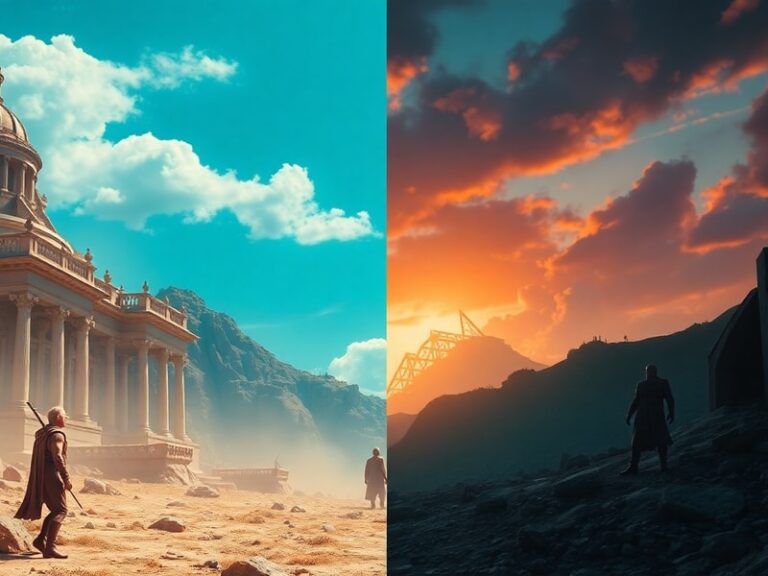
The AI-generated film in question is a reimagining of a classic epic that has captivated audiences for generations. This film was created using advanced machine learning models that learned from countless scripts and visual styles. The AI’s ability to understand narrative structures and character development has led to a unique retelling that both honors the source material and brings fresh perspectives.
What sets this AI-generated film apart is its rapid production capabilities. While traditional filmmaking can take years, this film was crafted in mere months, showcasing the efficiency of AI technology. The production team used a combination of AI tools to facilitate:
- Script Development: The AI created multiple drafts, enabling writers to refine the story quickly.
- Character Design: AI algorithms generated character designs based on archetypes found in classic literature, bringing them to life with unique traits.
- Soundtrack Composition: AI tools composed a musical score that complements the emotional tone of the film.
Industry Implications
The release of this AI-generated film has significant implications for the film industry:
- Cost Efficiency: AI can dramatically reduce production costs, allowing smaller studios to compete with big-budget productions.
- Creative Collaboration: Filmmakers can use AI as a collaborative partner, allowing for more innovation and experimentation.
- New Opportunities: AI-generated films may open doors for diverse storytelling, as algorithms can analyze narratives from various cultures and backgrounds.
- Job Displacement Concerns: While AI enhances efficiency, it raises concerns about job displacement for writers, editors, and other creative professionals.
Future Possibilities
The future of AI in filmmaking is promising and multifaceted. As technology continues to improve, we can expect:
- Enhanced Storytelling: AI will enable more complex narratives that resonate with audiences on deeper emotional levels.
- Increased Personalization: Filmmakers may leverage AI to create personalized viewing experiences, tailoring content to individual preferences.
- Augmented Reality and Virtual Reality: AI will play a crucial role in developing immersive storytelling experiences that blend the virtual and real worlds.
- Collaborative AI Creators: The emergence of AI as co-creators in filmmaking will redefine the roles of human filmmakers, leading to exciting new collaborations.
As we witness the rise of AI-generated films competing against traditional Hollywood blockbusters, the landscape of cinema is undergoing a seismic shift. This competition is not merely a battle for box office dominance; it represents a pivotal moment for the industry as it grapples with the integration of innovative technologies into the art of storytelling. The AI-generated retelling of a classic epic stands as a testament to what the future holds, challenging the boundaries of creativity and inviting us to explore uncharted territories in filmmaking.