Suno’s Training Data Leak Exposed: Insights and Implications
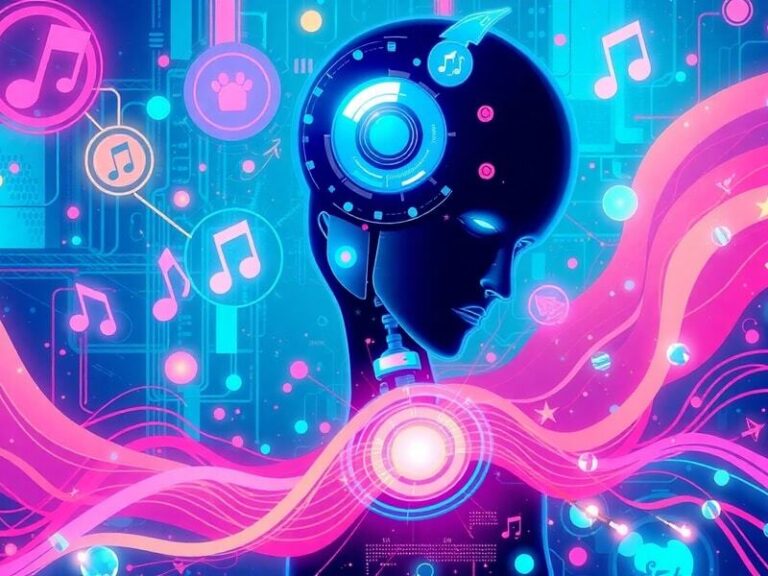
In a recent incident that has sent ripples through the AI and music technology sectors, it was revealed that Suno, a prominent AI music generator, was reliant on major platforms such as YouTube Music and Deezer for its training data. This data leak raises essential questions about data ethics, copyright, and the future trajectory of AI in creative industries.
The Nature of the Data Leak
The breach exposed the underlying datasets that Suno utilized to create its music generation algorithms. By leveraging rich libraries from established music streaming platforms, Suno aimed to provide users with an innovative tool to compose music effortlessly. However, the implications of using copyrighted material without proper authorization have profound consequences.
Practical Insights: What We Learned
- Data Sourcing and Compliance: The incident highlights the critical importance of sourcing training data responsibly. Companies must ensure that the datasets they use are compliant with copyright laws and licensing agreements.
- Transparency in AI Development: The leak underscores the need for greater transparency in how AI models are trained. Understanding the origins of data can build trust among users and stakeholders.
- Impact on User Trust: Users may become wary of using AI tools that could potentially infringe on copyright, leading to a hesitation in adoption.
Industry Implications
This leak has wider repercussions, not just for Suno but for the entire AI music generation industry:
- Legal Repercussions: Legal actions may arise against Suno, setting a precedent for how AI companies handle copyrighted content. This could lead to stricter regulations governing AI training practices.
- Increased Scrutiny: Companies in the AI space will likely face increased scrutiny from both regulators and creators, leading to a push for clearer guidelines on data usage.
- Innovation in Data Acquisition: The incident may spur innovations in how data is acquired and used, encouraging the development of more ethical AI solutions that respect creators’ rights.
Future Possibilities: Navigating the New Landscape
The fallout from the Suno data leak opens up several pathways for the future of AI music generation:
- Development of Ethical AI Standards: Organizations may collaborate to establish ethical standards for AI development, focusing on fair use and creator rights.
- Enhanced Licensing Solutions: Innovation in licensing processes could provide AI developers with easier access to legally compliant datasets, minimizing the risk of copyright infringement.
- Emphasis on Originality: The industry may shift towards encouraging AI systems that create original works rather than relying on existing music, fostering a new wave of creativity.
Conclusion
The Suno training data leak serves as a cautionary tale for the AI industry, emphasizing the importance of ethical practices in data sourcing. As technology continues to evolve, so too must our approaches to innovation, ensuring that creativity is respected and protected. The future of AI in music generation holds immense potential, but it is imperative that we navigate this landscape with a commitment to integrity and compliance.