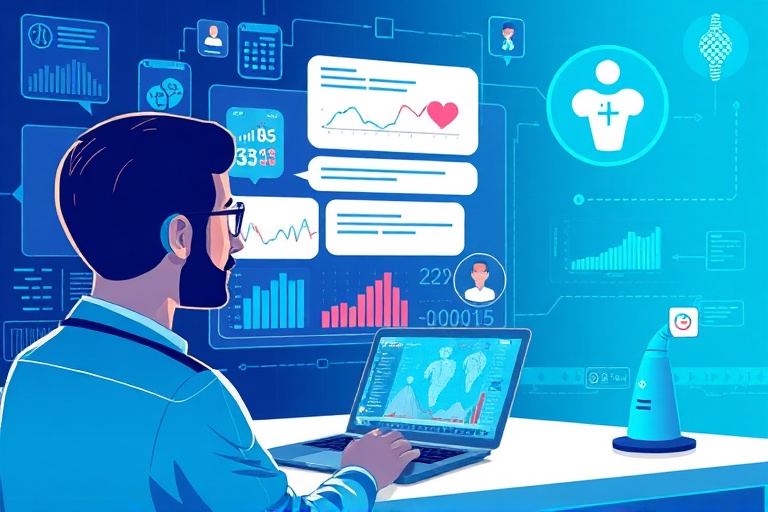
ChatGPT’s New Health Hub: A Game Changer for Medical Records
The integration of ChatGPT with health data is poised to revolutionize how medical records are accessed, interpreted, and leveraged for personalized patient care. As artificial intelligence continues to evolve, the implications for healthcare are profound, offering new avenues for improving patient outcomes and streamlining medical processes. This article explores the innovations brought forth by ChatGPT’s Health Hub, its practical applications, industry implications, and future possibilities.
The Evolution of Medical Records
Traditionally, medical records have been static documents, often fragmented across different healthcare providers. Patients frequently encounter challenges in accessing their own health information, leading to inefficiencies and potential errors in treatment. The introduction of AI technologies like ChatGPT aims to address these issues by creating a more cohesive, user-friendly experience.
What is ChatGPT’s Health Hub?
ChatGPT’s Health Hub is an innovative platform that utilizes natural language processing (NLP) to analyze and interpret medical records. By providing personalized insights and recommendations, the Health Hub empowers both patients and healthcare providers. Key features include:
- Personalized Health Insights: Patients receive tailored information based on their unique medical history and needs.
- Real-time Data Analysis: The system can analyze vast amounts of health data instantly, offering timely suggestions for treatment or lifestyle changes.
- Enhanced Communication: The platform facilitates better communication between patients and providers, ensuring that critical information is shared efficiently.
Practical Insights and Applications
The practical applications of ChatGPT’s Health Hub are vast, and its impact on individual patient care can be transformative:
- Improved Patient Engagement: By providing easy access to personalized health information, patients can take a more active role in managing their health.
- Precision Medicine: The ability to analyze genetic, environmental, and lifestyle factors enables more precise treatment plans tailored to the individual.
- Chronic Disease Management: Continuous monitoring and personalized feedback can significantly enhance the management of chronic conditions such as diabetes or hypertension.
Furthermore, healthcare providers can benefit from the Health Hub by:
- Reducing Administrative Burden: Automating routine inquiries and data retrieval can free up staff time for more critical tasks.
- Enhancing Decision-Making: Providers can access aggregated insights from patient data to inform better clinical decisions.
Industry Implications
The integration of AI in the healthcare sector brings both opportunities and challenges. Some of the most significant implications include:
- Data Privacy Concerns: With the increase in data sharing, ensuring patient confidentiality and compliance with regulations like HIPAA is paramount.
- Interoperability Issues: Achieving seamless integration between different health information systems remains a challenge that must be addressed for maximum efficacy.
- Workforce Transformation: The adoption of AI technologies may lead to a shift in job roles within the healthcare sector, emphasizing the need for reskilling and training.
Future Possibilities
Looking ahead, the potential advancements that could arise from the integration of ChatGPT’s Health Hub into the healthcare landscape are exciting:
- Predictive Analytics: AI could analyze patterns in health data to predict potential health issues before they arise.
- Enhanced Telemedicine: ChatGPT could facilitate remote consultations, providing real-time insights during virtual appointments.
- Integration with Wearable Technology: Real-time data from wearables could be analyzed by ChatGPT to provide instant feedback and health monitoring.
In conclusion, the integration of ChatGPT’s Health Hub into the healthcare system represents a significant leap forward in personalized care. By harnessing the power of AI, patients and providers alike can benefit from more efficient, insightful, and tailored healthcare experiences. As we continue to explore these advancements, the future of healthcare looks promising, with technology paving the way for enhanced patient outcomes and innovations.