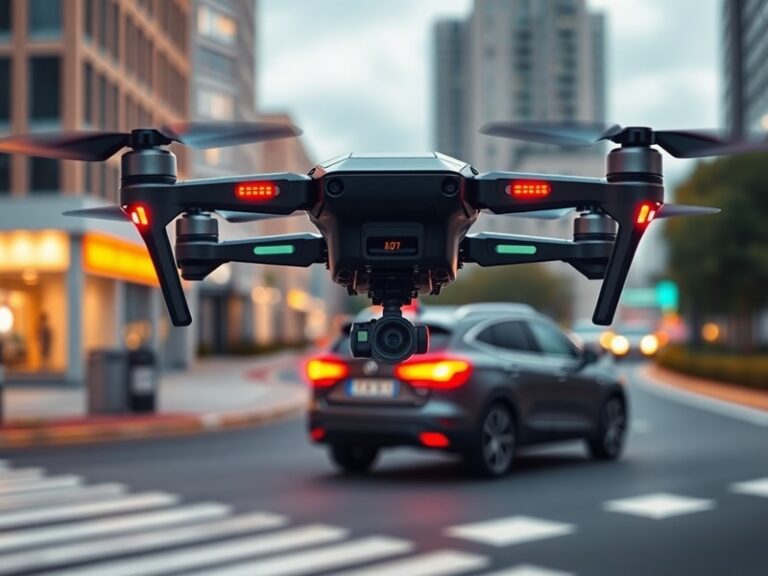
AI Drones: A Competitive Edge in Tracking
The advent of artificial intelligence (AI) has transformed numerous industries, and drone technology is no exception. AI drones equipped with advanced tracking capabilities are rapidly becoming essential tools for various sectors, including logistics, agriculture, and surveillance. This article explores how fifteen AI models have been tested for their ability to locate and follow targets, highlighting practical insights, industry implications, and future possibilities.
The Rise of AI Drones
AI drones combine traditional drone technology with machine learning algorithms, allowing them to analyze vast amounts of data in real time. This integration not only improves navigation and tracking but also enhances decision-making processes. Key developments in this area have led to significant advancements in the following aspects:
- Autonomy: AI drones can operate without human intervention, making them ideal for long-duration missions.
- Precision: Enhanced tracking algorithms allow drones to follow targets with high accuracy, even in challenging environments.
- Data Processing: AI-powered drones can process and analyze data on-the-fly, enabling rapid responses to dynamic situations.
Testing the AI Models
Fifteen different AI models were rigorously tested for their tracking capabilities using drones. Each model was evaluated based on key performance indicators such as speed, accuracy, and adaptability. The following methodologies were employed during the testing phase:
- Simulation Environments: Various virtual environments were created to simulate different tracking scenarios, from urban landscapes to rural settings.
- Real-World Trials: Drones were deployed in real-world conditions to assess their performance in practical applications.
- Data Analysis: Results were meticulously analyzed to identify strengths and weaknesses in each AI model’s tracking abilities.
Practical Insights from the Testing
The testing of these AI models provided invaluable insights into the capabilities of AI drones. Some notable findings include:
- Model Versatility: Certain models excelled in specific environments, suggesting that customization may be necessary for optimal performance.
- Real-Time Adaptation: The ability of drones to adapt their strategies based on environmental changes was a critical factor in successful tracking.
- Human Oversight: While AI can significantly enhance tracking, some level of human oversight remains essential, particularly in complex scenarios.
Industry Implications
The implications of AI drones with advanced tracking capabilities are profound across various sectors:
- Logistics: Companies can use AI drones for inventory tracking, ensuring accurate and timely deliveries.
- Agriculture: Farmers can monitor crop health and livestock movement, optimizing resource allocation.
- Surveillance and Security: Enhanced tracking capabilities improve security operations, enabling faster response times to incidents.
Future Possibilities
As technology continues to evolve, the future of AI drones looks promising. Several trends are anticipated:
- Improved Algorithms: Ongoing research in AI will lead to more sophisticated algorithms that enhance tracking precision.
- Integration with IoT: The convergence of AI drones with the Internet of Things (IoT) will enable smarter, interconnected systems capable of autonomous decision-making.
- Regulatory Developments: As drone technology advances, regulatory frameworks will evolve to ensure safe and responsible use.
In conclusion, AI drones are revolutionizing tracking methodologies across various industries, proving to be invaluable assets in enhancing operational efficiency and effectiveness. The results from testing different AI models underscore the technology’s potential while highlighting areas for further development. As we look to the future, the integration of AI drones into everyday applications will likely become more prevalent, paving the way for innovative solutions that improve productivity and safety.