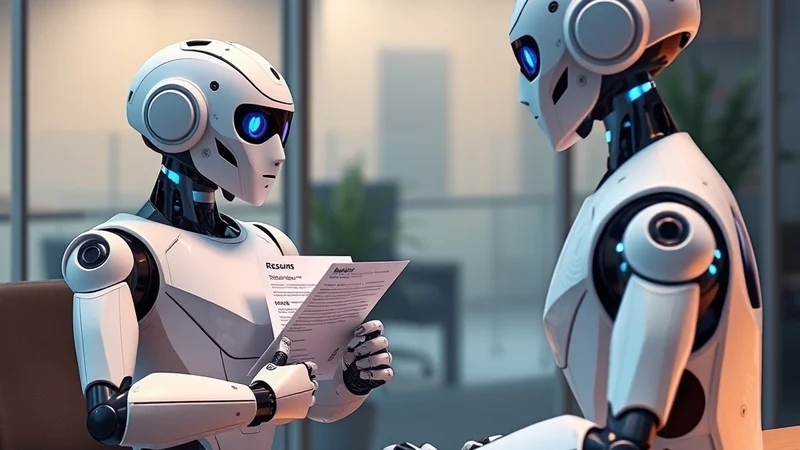
AI’s Impact on Employment: The Most Resistant Jobs
As artificial intelligence (AI) and automation technologies continue to evolve, the conversation surrounding their impact on employment has gained significant momentum. Many fear that machines will replace human jobs, leading to widespread unemployment. However, certain professions remain resilient against the tide of automation. This article explores which jobs are least affected by AI, the reasons behind their resistance, and the implications for the future job market.
Understanding the Automation Landscape
Before delving into the most resistant jobs, it is essential to understand the automation landscape. AI technologies, particularly those based on machine learning and deep learning, have made significant strides in automating repetitive tasks. The key areas where AI is most effective include:
- Data entry and processing
- Manufacturing and assembly line tasks
- Customer service through chatbots
- Predictive analytics in various sectors
While these areas are highly susceptible to automation, there are professions that require complex human interactions, emotional intelligence, and creativity, making them less likely to be replaced by machines.
Most Resistant Jobs to Automation
Several professions are expected to remain resilient in the face of AI advancements. Here are some of the most resistant jobs:
- Healthcare Professionals
- Creative Professionals
- Education Professionals
- Skilled Trades
- Social Workers and Counselors
Jobs such as doctors, nurses, and therapists involve intricate decision-making, empathy, and human interaction. AI can assist in diagnostics and treatment planning but cannot replace the nuanced care provided by healthcare professionals.
Artists, writers, and designers rely heavily on creativity and subjective input. While AI can generate art and content, the unique touch of human creativity remains irreplaceable. The emotional connection and cultural context provided by human creators are key differentiators.
Teachers and educators play a crucial role in shaping future generations. The teaching process requires not only knowledge but also the ability to inspire and connect with students on a personal level. While AI can supplement education through personalized learning, it cannot fully replace the human element in teaching.
Electricians, plumbers, and carpenters perform hands-on work that often requires problem-solving skills on-site. These jobs involve unpredictable environments and require a level of physical dexterity and adaptability that AI and robots are still struggling to emulate.
These professionals engage with individuals in emotionally charged situations, requiring a high degree of empathy and understanding. AI tools can assist in data analysis but cannot replicate the human compassion and support needed in these roles.
Reasons for Resistance to Automation
The resistance of these jobs to automation can be attributed to several factors:
- Emotional Intelligence: Many professions require a deep understanding of human emotions and the ability to connect with others. AI lacks the capacity for genuine empathy.
- Complex Decision-Making: Jobs that involve nuanced decision-making or ethical considerations are less likely to be automated. AI can assist but cannot replace human judgment.
- Physical Dexterity: Skilled trades require manual skills that are difficult for robots to replicate, especially in unpredictable environments.
- Creativity and Innovation: The ability to think outside the box and generate original ideas is a distinctly human trait that AI struggles to emulate.
Industry Implications and Future Possibilities
The ongoing integration of AI into the workforce does not necessarily equate to widespread job loss. Instead, it can lead to a transformation of roles, creating new opportunities and demands for skills. Here are some implications and future possibilities:
- Job Evolution: Many jobs will evolve to incorporate AI tools, requiring workers to develop new skills. For instance, healthcare professionals may need to learn to work alongside AI diagnostic tools.
- New Job Creation: As AI takes over routine tasks, new roles will emerge that focus on managing, designing, and maintaining AI systems.
- Upskilling and Reskilling: There will be a growing emphasis on training programs to help workers transition into roles that cannot be easily automated.
- Collaborative Work Environments: The future workforce may see more collaboration between humans and AI, enhancing productivity rather than outright replacement.
Conclusion
While AI is reshaping the job market, certain professions demonstrate resilience due to their reliance on human qualities such as emotional intelligence, creativity, and complex decision-making. Understanding these resistant jobs can help guide workers and employers in navigating the evolving landscape of work, ensuring that humanity’s unique capabilities continue to thrive alongside advancing technology.