AI Designs 700,000 Viruses: A New Frontier in Synthetic Biology
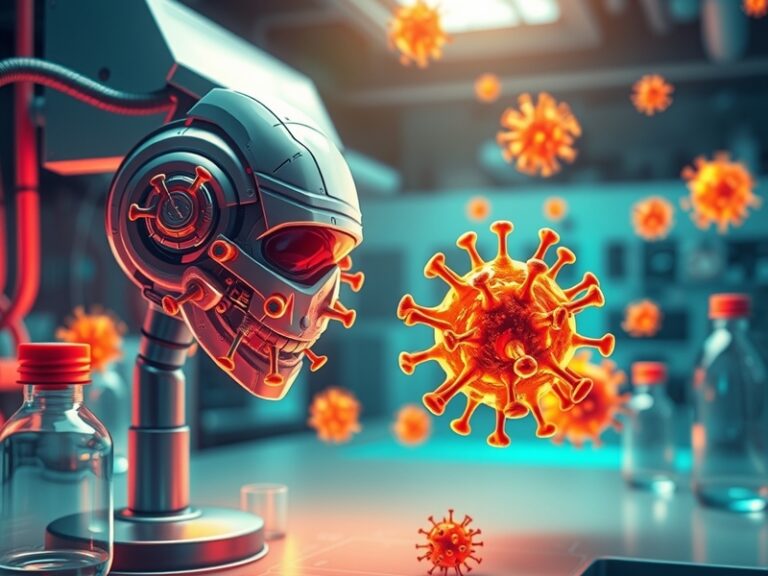
In a rapidly evolving technological landscape, artificial intelligence (AI) is pushing the boundaries of what is possible, particularly in the field of synthetic biology. Recent advancements have enabled AI systems to generate an astonishing 700,000 unique virus designs, posing both exciting opportunities and significant ethical dilemmas. This article delves into the implications of AI-generated pathogens, the ethical considerations surrounding this innovation, and the future possibilities that lie ahead.
Understanding AI in Synthetic Biology
Synthetic biology combines principles from biology and engineering to design and construct new biological parts, devices, and systems. With the advent of AI, researchers have found new ways to simulate biological processes and generate novel organisms, including viruses. These AI systems can analyze vast datasets and learn from existing biological information, enabling them to propose new viral structures that may not exist in nature.
The Implications of AI-Generated Pathogens
The ability to design viruses using AI brings numerous implications for science and healthcare:
- Vaccine Development: AI-designed viruses can help create targeted vaccines more efficiently. By predicting how a virus might mutate, researchers can develop vaccines that are effective against future outbreaks.
- Biotechnology Advancements: New viral designs can be utilized in gene therapy, allowing for more precise treatments for genetic disorders by delivering therapeutic genes directly to affected cells.
- Pathogen Study: AI-generated viruses can serve as models for studying viral behavior and interactions, providing valuable insights into how viruses evolve and spread.
Ethical Considerations
While the potential benefits of AI-generated viruses are significant, they also raise serious ethical concerns:
- Dual-Use Dilemma: AI technology can be misused to create harmful pathogens intentionally. The risk of bioterrorism becomes a pressing concern, as malicious actors could exploit this technology to design lethal viruses.
- Biosecurity Issues: The sheer volume of virus designs generated by AI makes it challenging to monitor and regulate their use. Ensuring that synthetic biology research adheres to safety protocols is critical.
- Informed Consent: As AI systems develop new viruses, researchers must consider the implications for public health. Ensuring transparency and obtaining informed consent from potentially impacted communities is vital.
Practical Insights for Industry Professionals
Industry professionals in biotechnology, healthcare, and AI must navigate this new frontier carefully. Here are some practical insights:
- Collaboration is Key: Engage with interdisciplinary teams that include ethicists, policymakers, and scientists to address the multifaceted challenges posed by AI in synthetic biology.
- Implement Robust Regulations: Advocate for the establishment of clear guidelines and regulations that govern the use of AI in pathogen design, ensuring safety and ethical standards are met.
- Invest in Biosecurity Measures: Companies should prioritize biosecurity in their research facilities, employing advanced technologies to monitor and control the use of synthetic biology tools.
Future Possibilities
The future of AI-generated viruses is both exciting and daunting. Here are some potential directions:
- Personalized Medicine: AI might enable the creation of personalized vaccines tailored to individual genetic profiles, revolutionizing the way we approach infectious diseases.
- Environmental Applications: Engineered viruses could be designed to combat specific environmental issues, such as controlling invasive species or aiding in bioremediation efforts.
- Global Health Initiatives: Collaborative efforts could leverage AI-generated viruses to address global health crises more effectively, ensuring rapid responses to emerging infectious diseases.
Conclusion
The emergence of AI-designed viruses marks a significant milestone in the intersection of technology and biology. As we explore this new frontier, it is imperative to balance innovation with responsibility. By fostering collaboration, implementing robust regulations, and prioritizing biosecurity, we can harness the power of AI in synthetic biology while minimizing its risks. The future holds immense potential, and with careful stewardship, we can navigate this complex landscape to benefit humanity.