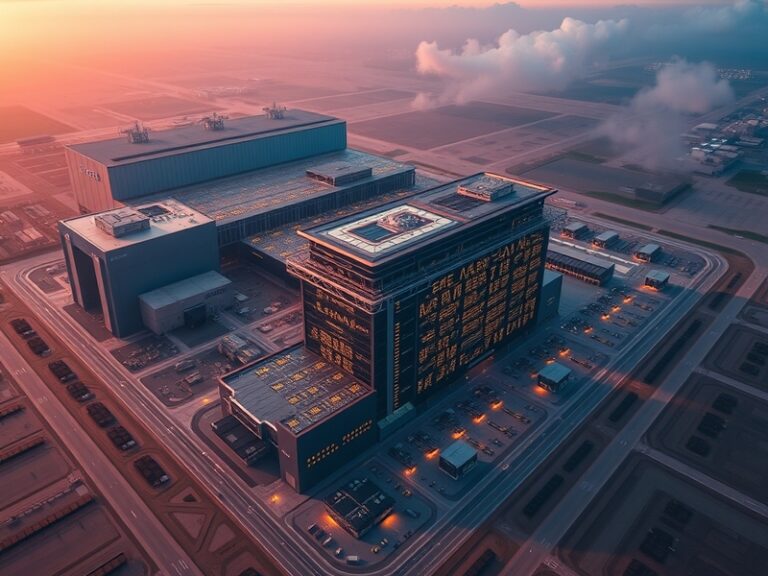
SpaceX’s Ambitious AI Chip Plant: The Future of Robotics Manufacturing
As artificial intelligence (AI) continues to revolutionize industries across the globe, the demand for faster and more efficient processing capabilities has never been higher. SpaceX, known for its groundbreaking innovations in aerospace, is now turning its sights to a new frontier: chip production for advanced AI applications. The company’s plans for the world’s largest chip manufacturing facility signify a monumental step in the evolution of robotics and AI technology.
The Strategic Vision Behind the Chip Plant
SpaceX’s decision to build this ambitious AI chip plant is driven by several strategic goals:
- Increased Production Capacity: With the growing demand for AI-driven applications, SpaceX aims to produce chips at an unprecedented scale, catering to both its own needs and those of the wider industry.
- Cost Efficiency: By manufacturing chips in-house, SpaceX can reduce dependency on external suppliers, thereby minimizing costs and potential supply chain disruptions.
- Innovation in Chip Design: The facility will focus on developing specialized chips optimized for AI tasks, allowing for advancements in machine learning algorithms and robotics.
Location and Infrastructure
Situated in Texas, this mega-plant is expected to cover a staggering area, dwarfing conventional manufacturing facilities. The choice of location is strategic, allowing for easy access to a tech-savvy workforce and robust logistics capabilities.
The facility’s infrastructure will include:
- State-of-the-art clean rooms to ensure chip quality and performance.
- Advanced robotics for automation in the manufacturing process, enhancing speed and precision.
- Research and development labs for continuous innovation in chip technology.
Impact on the AI Industry
The establishment of SpaceX’s chip plant is poised to have significant implications for the AI industry:
- Accelerated Development of AI Applications: With faster access to high-performance chips, companies can innovate more rapidly, leading to new applications in various sectors, including healthcare, finance, and autonomous vehicles.
- Enhanced Competitiveness: By producing cutting-edge chips, SpaceX can offer its technology at lower prices, challenging existing players in the semiconductor market and potentially reshaping industry dynamics.
- Collaborative Ecosystem: The facility could foster partnerships with other tech companies and startups, creating a collaborative environment that drives innovation and accelerates the development of next-generation technologies.
Future Possibilities in Robotics Manufacturing
The implications of SpaceX’s chip plant extend beyond immediate production capabilities. As AI technologies continue to evolve, the demand for specialized chips will grow, leading to:
- Customization of AI Solutions: Companies will be able to design chips tailored to specific AI tasks, enhancing performance and efficiency.
- Integration of AI in Robotics: More powerful chips will enable robots to perform complex tasks autonomously, transforming industries like manufacturing, logistics, and healthcare.
- Advancements in Edge Computing: With more efficient chips, edge devices can process data locally, leading to faster response times and improved privacy.
Conclusion
SpaceX’s ambitious AI chip plant marks a significant milestone in the intersection of aerospace and technology. By investing in chip production, the company is not only positioning itself at the forefront of AI innovation but also paving the way for the future of robotics manufacturing. As we look ahead, the implications of this facility will resonate across industries, propelling advancements in AI applications and revolutionizing how we interact with technology.