The music mogul Dr. Dre is reportedly embracing artificial intelligence as a creative tool in music production, a development that resonates deeply within an industry grappling with the rapid evolution of AI. This potential shift by an artist renowned for his innovative use of technology draws immediate parallels to past paradigm shifts in music creation, from sampling to digital audio workstations.
A Legacy Forged in Innovation
Dr. Dre’s career is a testament to the power of technological adoption and mastery. From his early days with N.W.A. to his groundbreaking work with Death Row Records and Aftermath Entertainment, Dre has consistently been at the forefront of leveraging new tools to define and refine the sound of hip-hop. His signature sound, characterized by meticulously crafted beats, deep basslines, and crisp drums, was often built upon cutting-edge equipment of its time.
Key technological integrations in his career include:
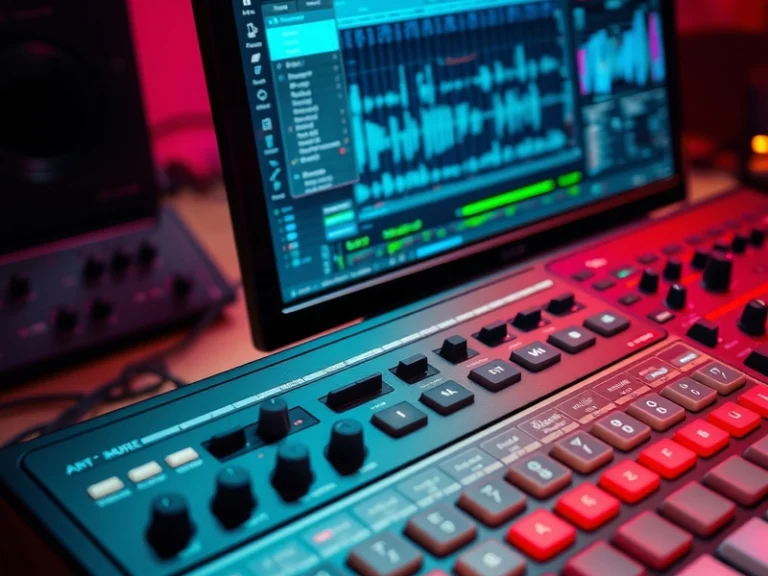
- Drum Machines and Samplers: Early on, Dre became adept at programming iconic drum machines like the LinnDrum, E-mu SP-1200, and Akai MPC series. These instruments were central to crafting the rhythmic foundations of his tracks, allowing for unprecedented control over rhythm and texture.
- Digital Sampling: While sampling had existed before, Dre, alongside peers like DJ Premier and Pete Rock, elevated it to an art form. He meticulously chopped, rearranged, and layered samples from diverse genres, transforming them into entirely new sonic landscapes. This process, initially controversial, became a cornerstone of modern music production.
- Digital Audio Workstations (DAWs): As technology advanced, Dre transitioned seamlessly to DAWs like Avid Pro Tools. This move from analog tape to digital recording and mixing allowed for greater precision, flexibility, and the ability to iterate on ideas with unparalleled efficiency, further cementing his reputation for pristine, polished productions.
Each of these shifts involved overcoming initial skepticism and mastering complex new workflows, ultimately yielding revolutionary musical results that influenced generations of producers.
AI as the Next Frontier for Sonic Architects
For a producer with Dre’s history, AI presents itself not as a replacement for human creativity, but as another powerful instrument in the studio arsenal. The current landscape of AI tools in music production offers capabilities that align directly with his meticulous approach to sound design and arrangement:
- Generative Music and Ideas: AI can rapidly generate melodic ideas, chord progressions, drum patterns, or even entire sonic textures based on user prompts or existing musical data. This could serve as a sophisticated brainstorming partner, offering starting points or unexpected twists that spark new creative directions.
- Mixing and Mastering Assistants: Tools like iZotope’s Ozone and Neutron, or cloud-based platforms such as Landr, utilize AI to analyze audio and suggest optimal EQ, compression, and limiting settings. While not a substitute for an experienced engineer’s ear, these can provide intelligent starting points, accelerate routine tasks, and help achieve a balanced mix more efficiently.
- Vocal Processing and Manipulation: AI is increasingly used for pitch correction, de-essing, noise reduction, and even generating synthetic vocals or harmonizing existing ones. For a producer known for crafting iconic vocal performances, these tools could offer new avenues for sonic refinement and creative vocal effects.
- Sound Design and Synthesis: AI can assist in creating unique synthetic sounds, analyzing existing audio to generate similar timbres, or even separating individual elements from complex recordings, offering unprecedented control over sonic components.
The appeal for a producer like Dr. Dre lies in AI’s potential to augment his creative process, allowing him to explore more ideas, refine sounds with greater precision, and potentially achieve previously unattainable sonic qualities without sacrificing his signature artistic vision.
Echoes of the Past: Parallels to Sampling and Digital Shifts
Dr. Dre’s reported embrace of AI draws striking parallels to earlier technological revolutions he navigated:
The Sampling Revolution
When sampling first gained prominence, it faced significant legal and artistic challenges. Questions of originality, copyright infringement, and the very definition of authorship were hotly debated. Critics argued it was “stealing” or lacked true musicality. Yet, producers like Dre demonstrated how sampling, in the hands of a visionary, could create entirely new works, pushing musical boundaries and forming new genres. AI now faces similar scrutiny regarding data training, copyright of AI-generated content, and the perceived “authenticity” of music made with its assistance. Dre’s past success in transforming a controversial technology into a fundamental creative pillar offers a compelling precedent.
The Digital Dominance of DAWs
The shift from analog recording studios to digital audio workstations was another seismic event. Purists lamented the loss of analog “warmth” and the tactile experience of mixing on large consoles. However, DAWs offered unparalleled editing capabilities, non-destructive workflows, and the ability to produce high-quality music outside of expensive professional studios. Dr. Dre’s adoption of Pro Tools was instrumental in demonstrating how digital tools could maintain, and even enhance, production quality and creative control. AI represents the next logical step in this digital evolution, promising further efficiencies and creative expansion, albeit with its own set of challenges regarding human-machine collaboration.
The Producer’s Evolving Role
For Dr. Dre, AI is likely not a tool to replace the human touch, but to extend it. His role has always been that of a visionary architect, meticulously crafting every sonic detail, guiding artists, and ensuring a cohesive artistic statement. AI, in this context, becomes an intelligent assistant, capable of handling repetitive tasks, offering creative suggestions, and executing complex audio manipulations at speed. The ultimate artistic direction, the taste, and the emotional resonance will still originate from the human mind. His engagement suggests a future where AI empowers artists and producers to focus more on the grand vision and less on the technical minutiae, freeing up creative energy for true innovation.
Dr. Dre’s storied career has consistently shown that technological shifts, while often met with apprehension, ultimately become opportunities for those with the foresight and skill to harness them. His reported exploration of AI in music production signals a potential turning point, lending significant weight to the argument that artificial intelligence is not just a disruptive force, but a powerful new instrument in the hands of creative masters.