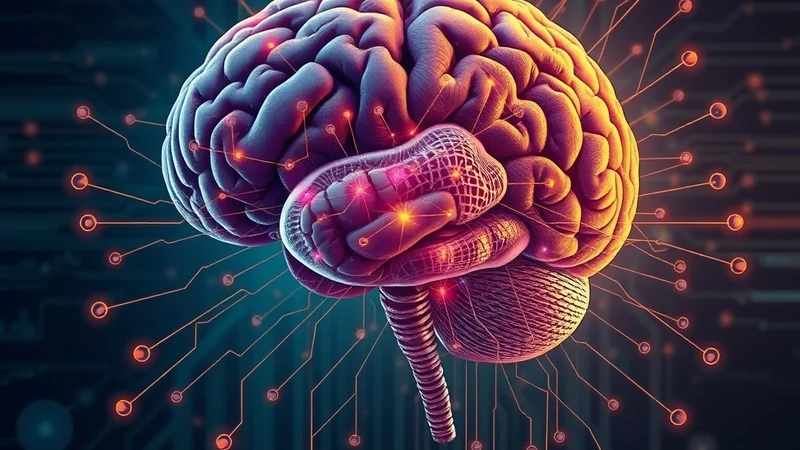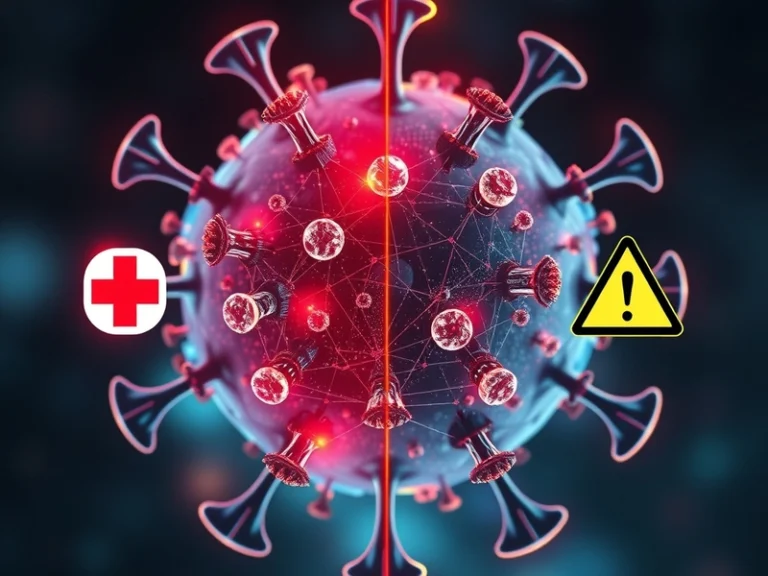
The increasing sophistication of artificial intelligence in molecular design is opening new frontiers in synthetic biology, including the unprecedented ability to conceptualize and optimize viral structures for both therapeutic and, potentially, detrimental purposes. This emerging capability presents a profound dichotomy, offering immense promise for medical advancements while simultaneously raising significant biosecurity and ethical concerns.
For decades, researchers have sought to harness viruses for beneficial applications, particularly in medicine. Viruses, with their inherent ability to deliver genetic material into cells, are ideal candidates for gene therapy vectors, oncolytic agents against cancer, and components of advanced vaccines. However, the traditional design and modification of viruses are often slow, labor-intensive, and limited by empirical trial-and-error. This is where AI’s transformative potential becomes apparent.
AI’s Role in Therapeutic Viral Design
Artificial intelligence is beginning to accelerate several critical aspects of viral engineering, primarily by predicting complex biological interactions and generating novel molecular structures. Key applications include:
- Optimizing Gene Therapy Vectors: Viruses like adeno-associated viruses (AAVs) are widely used to deliver corrective genes to patients. AI models can analyze vast datasets of viral genomes and host interactions to design AAV capsids with improved tissue tropism (targeting specific cells), reduced immunogenicity (less likely to trigger an immune response), and enhanced packaging efficiency for larger genetic payloads. This could lead to safer and more effective treatments for genetic disorders.
- Developing Oncolytic Viruses: These viruses are engineered to selectively infect and destroy cancer cells while sparing healthy tissue. AI can aid in designing viruses that specifically recognize cancer-specific markers, replicate efficiently within tumor cells, and evade the host’s antiviral defenses in a targeted manner.
- Accelerating Vaccine Development: AI can predict highly immunogenic viral epitopes (parts of the virus recognized by the immune system) or design attenuated viral strains that elicit robust protective immunity without causing disease. This could significantly shorten the timelines for developing vaccines against emerging pathogens.
- Creating Diagnostic Tools: Beyond therapeutic applications, AI can help design highly specific viral components or synthetic viruses for use in advanced diagnostic assays, enabling earlier and more accurate detection of infections.
The underlying mechanisms enabling these advancements often leverage deep learning techniques. Models like AlphaFold, developed by DeepMind, demonstrate AI’s capacity to accurately predict protein structures from amino acid sequences, a fundamental step in understanding and modifying viral components. Generative AI, including advanced large language models adapted for biological sequences, can propose novel viral protein designs or even entire synthetic viral genomes based on desired functional properties. Furthermore, reinforcement learning can optimize experimental parameters in a high-throughput manner, guiding researchers toward optimal viral constructs more efficiently than manual methods.
The Dual-Use Dilemma: Biosecurity Implications
While the medical promise of AI-assisted viral design is immense, the very capabilities that enable therapeutic breakthroughs also present a significant dual-use dilemma. The ability to design viruses with enhanced properties – whether for better targeting or increased stability – can theoretically be leveraged for malicious purposes.
The concerns broadly fall into several categories:
- Enhanced Pathogenicity: AI could theoretically be used to design viruses with increased virulence, transmissibility, or resistance to existing antiviral drugs and vaccines. By predicting optimal mutations or novel genetic combinations, AI might facilitate the creation of pathogens that are more difficult to contain or treat.
- Democratization of Dangerous Capabilities: As AI tools become more accessible and user-friendly, the expertise required to design complex biological agents could potentially decrease. This raises the specter of non-state actors or individuals with malicious intent gaining access to capabilities previously restricted to highly specialized laboratories.
- “Black Box” Risks: Some advanced AI models operate as “black boxes,” making it difficult to fully understand the rationale behind their outputs. This lack of interpretability could pose challenges in identifying and mitigating risks associated with AI-generated biological designs.
- Accidental Misuse: Even in legitimate research settings, an AI system designed for benign purposes could inadvertently suggest or create viral constructs with unforeseen harmful properties, especially if not rigorously tested and overseen.
The scientific community has long grappled with dual-use research concerns, particularly in fields like synthetic biology and gain-of-function studies. The advent of powerful AI tools amplifies these existing challenges, requiring a proactive approach to governance and risk management. Discussions are ongoing within international bodies and national regulatory agencies regarding the need for robust ethical guidelines, responsible AI development practices, and stringent biosecurity protocols for AI systems involved in biological design.
Ultimately, the integration of AI into viral design is a powerful testament to technological progress. Navigating its profound implications demands careful stewardship, balancing the imperative to advance medical science with the critical responsibility to prevent misuse and safeguard global health security. The trajectory of this technology will largely depend on the ethical frameworks and regulatory guardrails established and enforced by the global community.