A new wave of artificial intelligence solutions is emerging, specifically designed to empower older adults to live independently without the prerequisite of technology training or screen interaction. This development targets a significant demographic often underserved by mainstream tech, aiming to provide assistance that is both intuitive and non-intrusive.
For many older adults, the increasing complexity of modern technology presents a formidable barrier. Devices featuring intricate user interfaces, small text, or multi-step navigation can be frustrating, leading to feelings of exclusion and reduced willingness to adopt beneficial tools. Traditional smart devices, while powerful, often assume a level of digital literacy that isn’t universal. The screen-free AI paradigm seeks to circumvent these hurdles by shifting the interaction model from visual and tactile engagement to voice and ambient sensing.
The Screen-Free Philosophy
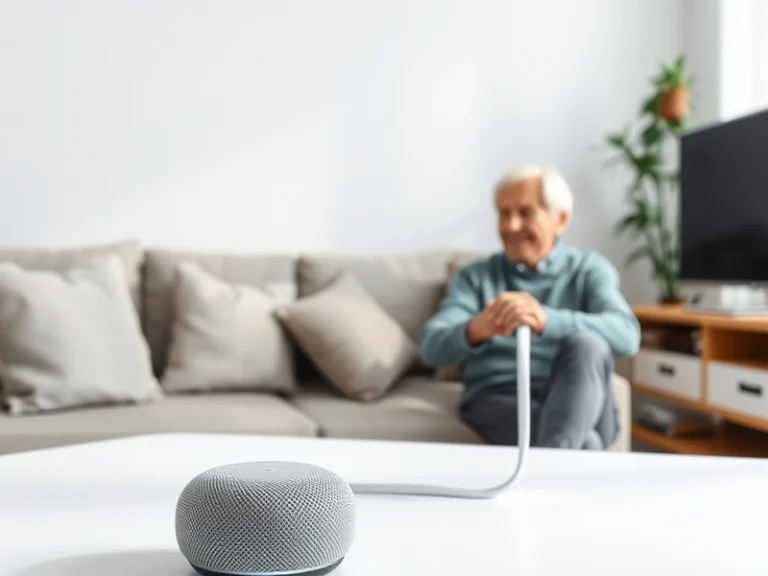
The core principle behind these solutions is simplicity and accessibility. Instead of requiring users to look at a screen, tap icons, or navigate menus, interaction is primarily conversational or passive. This approach leverages advancements in natural language processing (NLP) and ambient intelligence, allowing the AI to understand spoken commands and interpret environmental cues without explicit user input. The goal is to integrate AI assistance seamlessly into daily life, making it feel less like a gadget and more like a helpful presence.
Key characteristics of this screen-free approach include:
- Voice-First Interaction: Users communicate with the AI using natural language, asking questions, issuing commands, or simply expressing needs. The AI responds verbally, providing information or confirming actions.
- Ambient Sensing: Embedded sensors (e.g., motion, sound, environmental) can passively monitor activity patterns, detect anomalies like falls, or track adherence to routines without requiring the user to wear a device or interact with an interface.
- Proactive Assistance: Rather than waiting for a command, the AI can offer timely reminders for medication, appointments, or hydration based on pre-set schedules or learned routines.
- Non-Intrusive Design: The physical form factor is often designed to blend into the home environment, such as a discreet hub or an integrated appliance, minimizing the perception of a “device” that needs learning.
Enhancing Independent Living
The potential benefits for older adults are multifaceted, addressing common challenges associated with aging and fostering a greater sense of security and autonomy.
- Safety and Emergency Response: Voice-activated emergency calls, fall detection through ambient sensors, and proactive checks can provide immediate assistance in critical situations, reducing response times and offering peace of mind to both seniors and their families.
- Medication Management: Automated, voice-based reminders for medication dosages and schedules can significantly improve adherence, a crucial factor in managing chronic conditions.
- Cognitive Engagement and Social Connection: Simple conversational AI can offer companionship, answer questions, provide news updates, or facilitate communication with family members through voice-activated calls, combating social isolation.
- Daily Task Support: Assistance with routine tasks like setting alarms, checking the weather, managing smart home devices (e.g., lights, thermostats), or even finding lost items through voice commands can alleviate daily burdens.
- Reduced Caregiver Burden: By providing a layer of independent support, these AI solutions can extend the period of independent living and reduce the constant monitoring burden on family caregivers, allowing them to focus on quality interaction rather than surveillance.
Challenges and Ethical Considerations
While the promise of screen-free AI for seniors is compelling, its implementation comes with significant challenges and ethical considerations that developers must address diligently.
- Privacy and Data Security: Continuous ambient monitoring and voice interaction generate a wealth of personal data. Ensuring robust data encryption, clear consent mechanisms, and transparent data usage policies are paramount to protect user privacy.
- Accuracy and Reliability: For critical functions like fall detection or emergency calls, the AI’s accuracy must be exceptionally high to avoid false alarms or, more critically, missed events. The technology must be reliable even in varied home environments and with diverse speech patterns.
- Ethical Implications of Autonomy vs. Safety: There’s a delicate balance between providing support and potentially encroaching on an individual’s autonomy. The AI should augment independence, not replace decision-making, and avoid creating a perception of constant surveillance.
- Personalization and Adaptability: Each individual has unique needs and preferences. The AI must be capable of learning and adapting to specific routines, health conditions, and communication styles without requiring complex setup.
- Cost and Accessibility: To be truly impactful, these solutions must be affordable and accessible to a wide range of income levels, avoiding the creation of a digital divide within the senior population.
The development of screen-free AI solutions for older adults represents a thoughtful evolution in assistive technology. By removing the traditional barriers of complex interfaces and demanding tech literacy, these systems hold the potential to genuinely enhance the quality of life, safety, and independence for seniors, allowing them to age in place with greater confidence and connection.