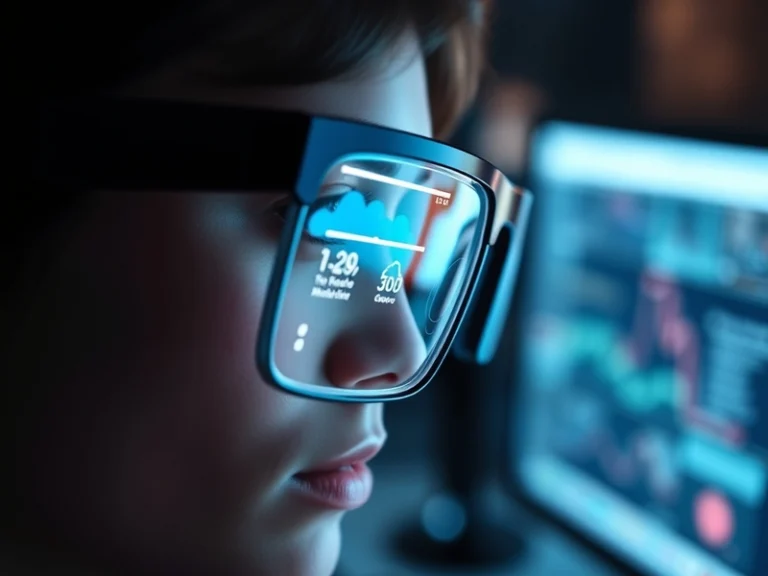
The concept of AI-powered smart glasses, such as the recently introduced STASIS, designed to actively monitor eye fatigue and optimize user focus throughout the day, represents a significant step forward in wearable technology and personal productivity. While specific details surrounding STASIS are emerging, the underlying premise taps into advanced sensor technology and machine learning to address a pervasive issue in the digital age: digital eye strain and its impact on cognitive performance.
The core proposition of devices like STASIS lies in their ability to continuously assess physiological indicators related to eye health and mental state. This goes beyond simple timers or self-reported fatigue, aiming for a proactive and personalized intervention. The integration of artificial intelligence is crucial, as raw sensor data alone would be insufficient without intelligent interpretation to discern meaningful patterns.
How AI-Powered Eye Fatigue Monitoring Works
For smart glasses to effectively track eye fatigue and focus, they must integrate a suite of sophisticated sensors and apply advanced analytical models. The process typically involves several key components:
- Eye-Tracking Sensors: Miniaturized cameras and infrared emitters can monitor various ocular metrics. These include pupil dilation and constriction, blink rate and duration, gaze direction, and saccadic movements (rapid eye movements between fixation points). Changes in these parameters can correlate with cognitive load, drowsiness, and visual fatigue.
- Ambient Light Sensors: Understanding the surrounding light conditions is vital. Excessive glare or insufficient lighting can exacerbate eye strain, and the AI needs this context to accurately interpret eye data.
- AI/Machine Learning Algorithms: This is where the “intelligence” comes in. Raw data from eye-tracking and ambient light sensors is fed into machine learning models. These models are trained on vast datasets correlating specific eye behaviors with known states of fatigue, concentration, and stress. Over time, the AI can learn a user’s individual baseline and identify deviations indicative of impending fatigue or optimal focus.
- Physiological Data Integration: While primary focus is on the eyes, future iterations or more comprehensive systems could potentially integrate data from other wearable sensors, such as heart rate variability (HRV) or skin conductance, which also offer insights into stress and cognitive state, providing a more holistic view.
The AI’s role extends beyond mere detection. It aims to predict when fatigue is likely to set in, allowing for timely interventions. This predictive capability is what differentiates these devices from reactive solutions.
Optimizing Focus Through Personalized Feedback
Once eye fatigue or a dip in focus is detected or predicted, smart glasses like STASIS would need to provide actionable feedback. The goal is to guide the user towards more sustainable work habits without being intrusive. Potential feedback mechanisms could include:
- Subtle Visual Cues: Displaying unobtrusive notifications or gentle changes in screen tint within the glasses’ field of view, suggesting a break or a change in activity.
- Audio Prompts: Discretely delivered through integrated speakers or bone-conduction audio, recommending short breaks, hydration, or specific eye exercises.
- Companion App Integration: Providing detailed reports, personalized recommendations, and long-term trends on a smartphone app. This could include insights into peak focus times, fatigue triggers, and suggestions for optimizing workspace lighting.
- Environmental Adjustments: Potentially integrating with smart home or office systems to automatically adjust screen brightness, color temperature, or even room lighting to reduce strain.
The personalization aspect is critical. What constitutes optimal focus or significant fatigue varies from person to person. An AI system that adapts to an individual’s unique physiological responses and daily rhythms would be far more effective than a one-size-fits-all approach.
Potential Benefits and Use Cases
The implications of effective eye fatigue monitoring and focus optimization are broad, particularly for those who spend significant time in front of screens:
- Enhanced Productivity: By identifying optimal work intervals and prompting timely breaks, users can maintain higher levels of concentration and reduce errors.
- Improved Eye Health: Proactive management of digital eye strain can mitigate symptoms like dry eyes, headaches, blurred vision, and neck pain, common among office workers, developers, and students.
- Better Sleep Quality: Reducing eye strain and managing exposure to blue light, particularly in the evening, can contribute to healthier sleep patterns.
- Occupational Safety: In professions requiring sustained alertness and visual attention, such as long-haul trucking, aviation, or control room operations, similar technologies could be adapted to monitor overall alertness and prevent fatigue-related incidents.
Challenges and Considerations
While promising, the development and adoption of AI glasses for eye fatigue monitoring face several challenges:
- Accuracy and Reliability: Ensuring the AI consistently and accurately distinguishes between genuine fatigue, momentary distraction, and other factors impacting eye behavior is paramount. False positives or negatives could undermine user trust.
- Data Privacy and Security: Eye-tracking data is highly personal and sensitive. Robust measures for data encryption, anonymization, and user consent will be critical to address privacy concerns.
- User Acceptance and Ergonomics: Smart glasses must be comfortable, aesthetically appealing, and have sufficient battery life to be worn consistently throughout the day. Bulky or heavy designs will limit adoption.
- Cost and Accessibility: Advanced sensor technology and AI processing capabilities typically come at a premium, which could initially limit accessibility.
- Ethical Implications: Questions around potential over-reliance on AI for personal well-being, the balance between optimization and individual autonomy, and the potential for surveillance must be carefully considered by developers and users alike.
The introduction of STASIS highlights a growing trend towards integrating AI into everyday wearables for health and productivity. While the concept of AI-powered eye fatigue monitoring holds significant promise for mitigating the challenges of digital life, its real-world impact will hinge on the careful balance of technological innovation, user experience, and ethical considerations.