A New Era in Sports: Robots Competing at Table Tennis
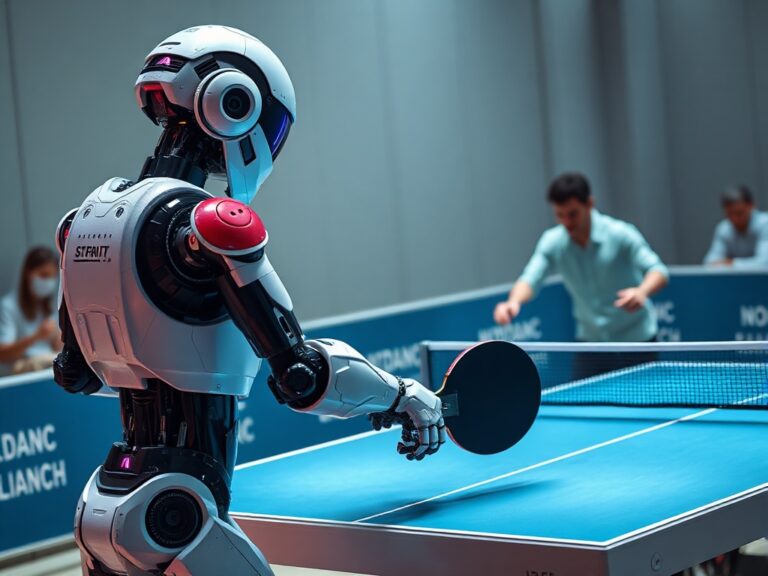
In recent years, the landscape of sports has been dramatically altered by advancements in artificial intelligence (AI) and robotics. One of the most captivating developments is the rise of robots competing in table tennis matches, showcasing a thrilling combination of technology and athleticism. This article delves into the technological advancements that enable robots to outperform human athletes in table tennis, the implications for the industry, and the possibilities that lie ahead.
Technological Advancements in Robotics
The ability of robots to compete at high levels in sports such as table tennis is largely attributed to several key technological advancements:
- Machine Learning Algorithms: Modern robots utilize sophisticated machine learning algorithms that allow them to analyze game data, learn from matches, and improve performance over time. These algorithms can identify patterns in opponent behavior and predict their next moves.
- Computer Vision: Through advanced computer vision technology, robots can perceive and interpret their environment. By using high-speed cameras, robots can track the ball’s speed, trajectory, and spin, enabling them to respond with remarkable precision.
- High-Speed Actuators: The physical capabilities of robots have been enhanced by the development of high-speed actuators. These components allow robots to move quickly and accurately, mimicking the swift reactions of human players.
- AI Strategy Development: AI systems can analyze vast amounts of data from previous matches, enabling them to develop winning strategies tailored to specific opponents. This strategic adaptability is a significant advantage over human players.
Robots vs. Human Athletes: The Competitive Edge
The competition between robots and human athletes presents a fascinating dynamic. Here are some reasons why robots are increasingly outperforming human players in table tennis:
- Consistent Precision: Robots can execute shots with a level of precision that is difficult for humans to maintain consistently. Their mechanical design allows for exact replication of movements without fatigue.
- Data Processing Speed: Robots can process data and make decisions in milliseconds, providing them with a split-second advantage in fast-paced games.
- Endurance: Unlike humans, robots do not suffer from fatigue, allowing them to play at peak performance levels for extended periods.
- Emotional Detachment: Robots are not affected by emotions such as pressure or anxiety, which can hinder human performance in competitive environments.
Industry Implications
The implications of robots competing in sports extend beyond the playing field, impacting various sectors:
- Sports Entertainment: As robots become more skilled, there is potential for creating an entirely new genre of sports entertainment centered around robot competitions, drawing large audiences and creating new revenue streams.
- Training Tools: Robots can serve as advanced training tools for human athletes, providing them with opportunities to practice against highly skilled opponents and learn from AI-driven insights.
- Technological Innovation: The demand for high-performance sports robots drives innovation in engineering and AI, with potential applications in various industries, including healthcare, manufacturing, and automotive.
- Regulatory Challenges: The rise of robots in sports raises questions about regulations and ethical considerations, including the fairness of competition and the role of technology in athletic performance.
The Future of Robot Competitions
Looking ahead, the future of robot competitions in sports like table tennis appears bright. Here are some possibilities:
- Enhanced Collaboration: Future robots may not only compete against each other but also collaborate with human athletes, blending human creativity with robotic precision.
- Personalized Coaching: AI-driven robots could become personal coaches, analyzing an athlete’s technique and providing tailored feedback to improve performance.
- Integration with Virtual Reality: The combination of robots and virtual reality could lead to immersive training experiences where athletes can practice against AI opponents in simulated environments.
- Global Competitions: As technology advances, we may see large-scale global robot championships, attracting competitors and spectators from around the world.
Conclusion
The emergence of robots competing in table tennis marks the beginning of a new era in sports, driven by rapid advancements in AI, robotics, and machine learning. As technology continues to evolve, the lines between human and machine performance will blur, leading to exciting possibilities for both athletes and technology enthusiasts alike. The implications for the sports industry are profound, with opportunities for innovation, entertainment, and enhanced training methodologies on the horizon.