AI Characters Can Join Video Calls: Transforming Virtual Meetings in Real-Time
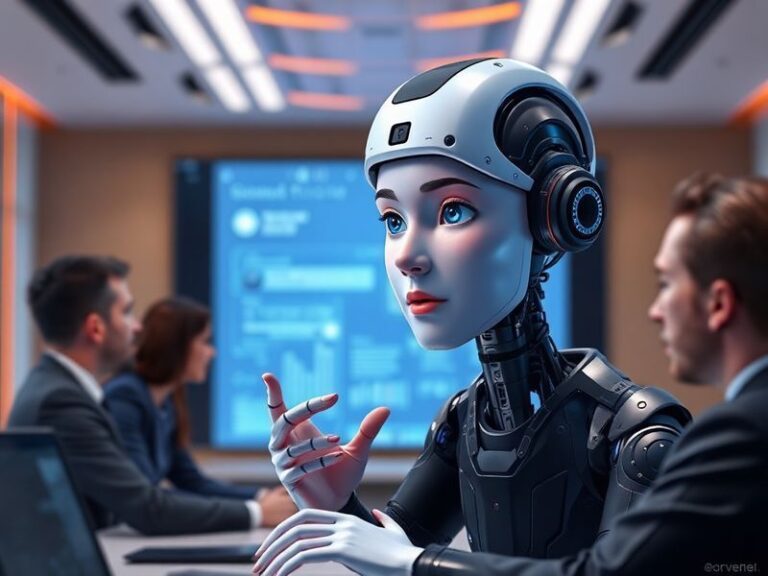
In today’s fast-paced digital landscape, virtual meetings have become an essential part of our work culture. As remote work continues to rise, the need for effective communication tools has never been more critical. Enter AI-generated avatars, a revolutionary innovation that is changing the way we perceive and participate in video calls. These digital characters are not only designed to represent users in real-time but also to enhance engagement and interactivity in virtual meetings.
The Emergence of AI Avatars
AI avatars are computer-generated representations of individuals that can mimic human expressions, gestures, and even voice modulation. This technology is powered by advanced machine learning algorithms and computer vision, allowing for seamless integration into video conferencing platforms. The emergence of these avatars can be attributed to several key factors:
- Advancements in AI Technology: With rapid developments in AI, creating lifelike avatars has become feasible.
- Increased Demand for Remote Interaction: The shift to remote work has necessitated innovative solutions for maintaining personal connections.
- Accessibility: AI avatars can help bridge communication gaps for individuals with disabilities or those who feel uncomfortable on camera.
How AI Avatars Work
AI avatars utilize a combination of technologies to function effectively during virtual meetings:
- Facial Recognition: This technology captures facial expressions and translates them into real-time animations for the avatar.
- Speech Synthesis: AI can generate human-like speech to articulate thoughts and ideas on behalf of the user.
- Gesture Recognition: The avatars can mimic hand movements and body language, enhancing realism in interactions.
Practical Insights for Users
Integrating AI-generated avatars into virtual meetings offers several practical benefits:
- Enhanced Engagement: Avatars can maintain attention and foster participation, making meetings more dynamic.
- Personalization: Users can customize their avatars to reflect their personality, improving relatability and comfort.
- Privacy Preservation: For those hesitant to appear on camera, avatars provide a layer of privacy while still allowing for interaction.
However, users should also be aware of certain challenges:
- Technical Limitations: Not all platforms support advanced avatar functionalities, which could hinder seamless integration.
- Potential Misrepresentation: Avatars may not always accurately represent the user’s emotions or intentions, leading to miscommunication.
Industry Implications
The implications of AI-generated avatars extend beyond individual users to entire industries:
- Corporate Training: Companies can leverage avatars for training simulations, providing a safe space for employees to practice skills without the fear of judgment.
- Healthcare: In telehealth, avatars can serve as virtual representatives for practitioners, making consultations less intimidating for patients.
- Entertainment: The gaming industry is already experimenting with avatars to enhance user experience, creating immersive environments for players.
Future Possibilities
As technology continues to evolve, the future of AI-generated avatars in virtual meetings looks promising:
- Increased Realism: Future advancements may lead to avatars that are indistinguishable from actual humans, incorporating advanced emotion recognition and response capabilities.
- Wider Adoption: As costs decrease and the technology becomes more accessible, we can expect broader usage across various sectors.
- Integration with AR/VR: Merging avatars with augmented and virtual reality could transform how we perceive virtual meetings, creating lifelike environments.
In conclusion, AI-generated avatars are set to redefine virtual meetings by providing a more engaging, personalized, and interactive experience. As we continue to explore the capabilities of this technology, it is essential to address the challenges while maximizing the potential benefits. The future is bright, and these digital characters may soon become a standard feature in our virtual interactions.