AI Cracks the Brain-Reading Wall: Exploring How AI Technology Has Finally Overcome Barriers in Interpreting Brain Activity
For decades, scientists and researchers have sought to unlock the mysteries of the human brain. The ability to interpret brain activity holds the potential to revolutionize fields such as medicine, psychology, and human-computer interaction. Recent advancements in artificial intelligence (AI) technology have begun to bridge this gap, enabling more effective brain activity interpretation than ever before. This article explores the breakthroughs in AI that have made brain-reading technology a reality, the implications for various industries, and the future possibilities that lie ahead.
The Intersection of AI and Neuroscience
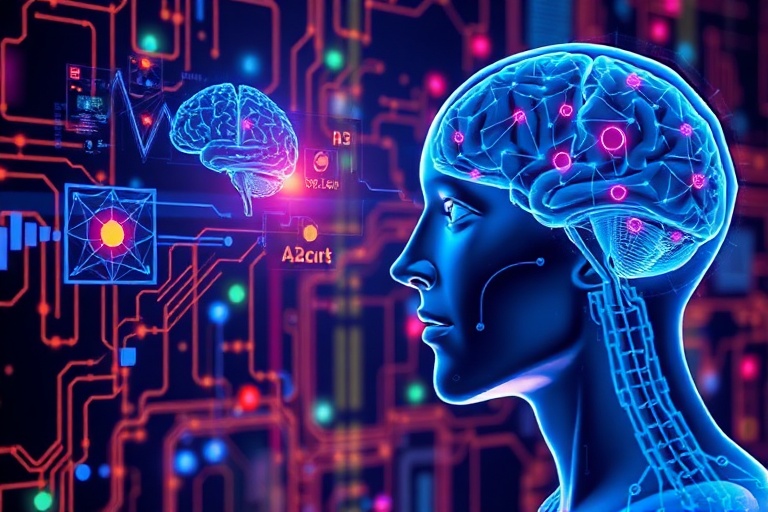
At the heart of the brain-reading revolution is the combination of AI algorithms and neuroimaging techniques. Traditional methods of interpreting brain data involved complex statistical analysis and required extensive human intervention. However, as AI technology evolved, machine learning models became capable of autonomously analyzing vast amounts of brain data.
Some of the most notable advances include:
- Deep Learning: Neural networks, particularly convolutional neural networks (CNNs), have shown exceptional promise in recognizing patterns within brain imaging data.
- Natural Language Processing (NLP): NLP techniques allow AI systems to translate brain activity into understandable language, providing insights into thoughts or intentions.
- Real-time Processing: AI systems can now process brain data in real-time, facilitating immediate feedback and interaction.
Industry Implications
The implications of these advancements extend far beyond the realm of neuroscience. Various industries stand to benefit significantly from the ability to interpret brain activity:
- Healthcare: AI-driven brain-reading technologies can enhance diagnostic accuracy, allowing for early detection of neurological disorders such as Alzheimer’s or Parkinson’s disease.
- Gaming and Entertainment: The gaming industry is exploring brain-computer interfaces (BCIs) that can read players’ emotions and reactions, creating more immersive gameplay experiences.
- Education: Understanding brain responses to different teaching methods can help tailor educational approaches to individual learning styles.
- Marketing: Advertisers can analyze consumer reactions to products or advertisements, allowing for more targeted marketing strategies.
Practical Insights for Implementation
For organizations looking to implement AI-driven brain-reading technologies, several practical insights can help guide their efforts:
- Invest in Research: Partner with academic institutions or research organizations to stay at the forefront of emerging technologies in neuroscience and AI.
- Focus on Ethics: As with all AI technologies, ethical considerations are paramount. Establish guidelines to ensure that brain data is used responsibly and transparently.
- Enhance User Experience: Consider how these technologies can be integrated into existing systems without overwhelming users. User-friendly interfaces will be crucial for adoption.
- Stay Updated: The field of AI is rapidly evolving, so keeping abreast of the latest developments and breakthroughs can provide a competitive edge.
Future Possibilities
As AI continues to evolve, the future possibilities of brain-reading technology are both exciting and profound. Here are some potential directions:
- Augmented Reality (AR) and Virtual Reality (VR): Imagine a world where AR and VR systems can respond to your thoughts and emotions, creating truly adaptive environments.
- Enhanced Communication: For individuals with speech impairments, brain-reading technology could enable direct communication through thought, bypassing traditional input methods.
- Improved Mental Health Treatments: By understanding how different therapies affect brain activity, mental health professionals can optimize treatments for conditions like depression or anxiety.
In summary, AI technology has made significant strides in interpreting brain activity, overcoming barriers that previously hindered progress. As these technologies continue to develop, the implications for numerous industries are profound, promising a future where our understanding of the brain can lead to transformative innovations. The journey ahead is filled with potential, and it is one that we must navigate with care, curiosity, and responsibility.