AI in Education: Interactive Learning with Claude Code
The integration of artificial intelligence (AI) in education is revolutionizing the way we learn and teach. One of the most innovative offerings in this realm is Claude Code, a comprehensive course designed to guide beginners in coding using AI technologies. This article explores how interactive learning with Claude Code can enhance educational outcomes, the implications for the industry, and the future possibilities of AI in education.
The Power of Interactive Learning
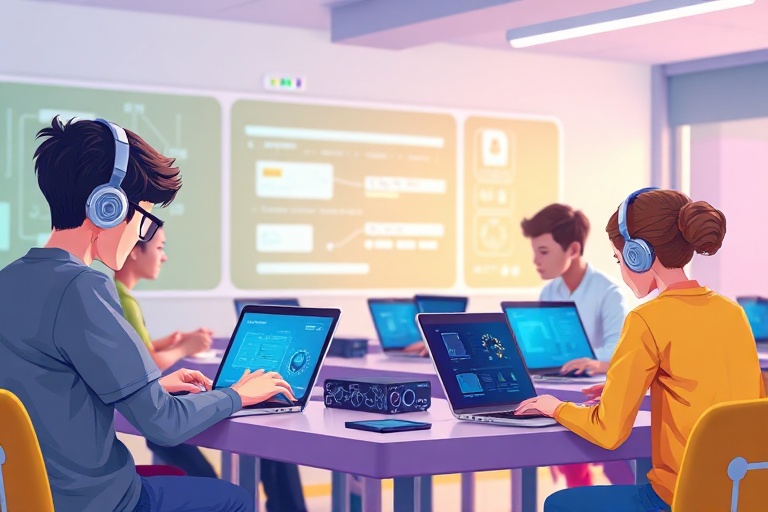
Interactive learning harnesses technology to create a more engaging and effective educational environment. With AI tools like Claude Code, learners can experience a personalized education that adapts to their needs. Here are some key aspects of interactive learning:
- Personalized Learning: AI algorithms analyze a learner’s progress and adapt the curriculum to meet individual needs.
- Immediate Feedback: Students receive real-time feedback on their coding exercises, allowing for faster improvement and understanding.
- Gamification: By incorporating game elements, learners remain motivated and engaged throughout the course.
- Collaborative Learning: Interactive platforms enable students to work together on projects, fostering teamwork and communication skills.
Claude Code: A Deep Dive
Claude Code stands out as a pioneering course that introduces beginners to coding through an AI-driven interface. It emphasizes practical application and hands-on experience, which are critical for mastering programming concepts. Key components of the course include:
- Foundational Knowledge: Claude Code starts with the basics of programming languages and concepts, ensuring that all students, regardless of prior experience, can follow along.
- AI Integration: The course leverages AI tools to demonstrate real-world applications of coding, such as developing simple AI models.
- Project-Based Learning: Learners complete projects that allow them to apply what they’ve learned, reinforcing their skills and knowledge.
- Community Support: Students can engage with instructors and peers through forums and discussion boards, promoting a sense of belonging and collaboration.
Practical Insights for Educators and Professionals
As educators and tech professionals embrace AI in education, several insights can enhance the implementation of courses like Claude Code:
- Emphasize Soft Skills: While technical skills are essential, courses should also focus on developing soft skills such as problem-solving and critical thinking.
- Utilize Analytics: Educators can use data analytics to monitor student performance and identify areas needing improvement.
- Continuous Updates: AI and technology evolve rapidly; courses should be regularly updated to reflect the latest industry trends and practices.
- Accessible Resources: Ensure that learning materials are accessible to all students, including those with disabilities.
Industry Implications
The rise of AI in education signifies a paradigm shift in how educational institutions operate. Here are some industry implications:
- Increased Demand for AI Skills: As industries increasingly rely on AI technologies, there is a growing need for professionals skilled in coding and AI development.
- Job Market Transformation: The skills gap in tech-related jobs may narrow as more individuals gain access to quality coding education through platforms like Claude Code.
- Collaboration with Tech Companies: Educational institutions may partner with tech firms to develop curricula that meet industry standards, ensuring students are job-ready upon graduation.
Future Possibilities
The future of AI in education is promising, with numerous possibilities on the horizon:
- Adaptive Learning Environments: AI could create fully adaptive learning environments that change in real-time based on student interactions.
- AI Tutors: Intelligent tutoring systems could provide personalized assistance to students, supplementing traditional teaching methods.
- Global Learning Platforms: AI could facilitate global classrooms, connecting students from diverse backgrounds and cultures to collaborate on coding projects.
As we look ahead, the integration of AI in educational contexts like Claude Code offers a glimpse into a future where learning is more accessible, personalized, and effective. By embracing these innovations, we can cultivate a new generation of skilled professionals ready to tackle the challenges of tomorrow.