The accelerating integration of artificial intelligence into sports is fundamentally transforming approaches to player safety and performance optimization across professional leagues and collegiate programs globally.
AI’s influence spans from the granular analysis of biomechanical data to sophisticated predictive modeling, offering unprecedented insights into athlete well-being and competitive advantage. This technological shift is redefining how teams manage player workload, prevent injuries, and craft game-day strategies, moving beyond traditional methods to data-driven decision-making.
AI for Proactive Injury Management
One of the most significant impacts of AI in sports is its role in injury prevention and rehabilitation. By analyzing vast datasets, AI models can identify subtle patterns and risk factors that might escape human observation, enabling proactive interventions.
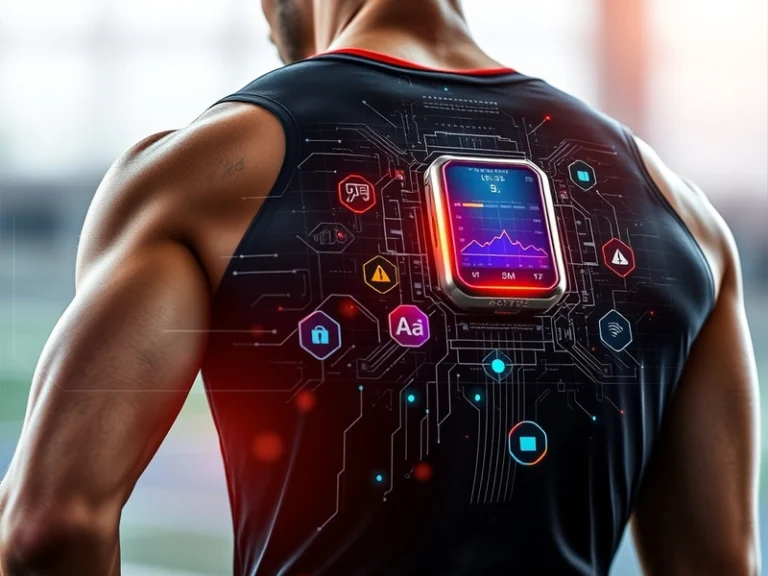
- Wearable Technology and Biometric Data: Athletes in sports like football, basketball, and soccer regularly wear GPS trackers and accelerometers from companies such as Catapult Sports and Kinexon. These devices collect real-time data on metrics like speed, acceleration, deceleration, distance covered, heart rate, and impact forces. AI algorithms process this raw data to calculate physiological load, fatigue levels, and movement asymmetries. For instance, a sudden drop in power output or a significant increase in asymmetrical loading might signal an elevated risk of soft tissue injury, such as a hamstring strain.
- Predictive Analytics: Machine learning models are trained on historical injury data, training loads, recovery metrics, and even sleep patterns to predict an athlete’s susceptibility to injury. By correlating specific training regimens, travel schedules, or game intensities with subsequent injury occurrences, these models can flag athletes at high risk, prompting coaches and medical staff to adjust training loads, recommend additional recovery, or conduct targeted assessments.
- Biomechanical Analysis: Computer vision and deep learning techniques analyze video footage of athletes’ movements during training and competition. These systems can detect deviations from optimal biomechanics, identify inefficiencies, or pinpoint movement patterns that place undue stress on joints and muscles. For example, an AI system might analyze a pitcher’s throwing motion to identify subtle changes that could lead to elbow or shoulder issues, allowing for corrective training before an injury manifests.
- Personalized Rehabilitation: Following an injury, AI can assist in tailoring rehabilitation programs. By analyzing an athlete’s progress, recovery metrics, and performance data, AI models can recommend adjustments to exercises, intensity, and duration, aiming to optimize recovery speed and prevent re-injury.
Enhancing Performance and Tactical Advantage
Beyond safety, AI is a powerful tool for optimizing athletic performance and refining tactical approaches. The same data streams used for injury prevention often feed into performance analysis.
Key applications include:
- Real-time Performance Feedback: During training sessions, AI systems can provide immediate feedback to athletes and coaches on technique, efficiency, and adherence to performance goals. For instance, a swimmer might receive instant analysis of stroke mechanics, or a basketball player might get feedback on shooting form.
- Game Strategy and Opponent Analysis: AI-powered platforms, such as those developed by Second Spectrum for the NBA, analyze vast amounts of game footage to track player movements, ball trajectories, and team formations. These systems can identify opponent tendencies, predict likely plays in certain situations, and highlight optimal offensive or defensive strategies. Coaches use these insights to prepare scouting reports and adjust game plans in real-time.
- Personalized Training Regimens: AI can design highly individualized training programs based on an athlete’s unique physiological profile, performance data, and specific goals. These programs dynamically adapt as the athlete progresses, ensuring optimal stimulus for improvement while minimizing the risk of overtraining.
- Talent Identification and Scouting: While still evolving, AI is beginning to assist in identifying promising talent by analyzing performance metrics and physical attributes across large pools of amateur athletes, potentially uncovering hidden gems that traditional scouting methods might overlook.
Underlying Technologies Driving the Shift
The advancements in AI’s application in sports are underpinned by several sophisticated technologies:
- Machine Learning and Deep Learning: These form the core of predictive analytics, pattern recognition, and data interpretation. From identifying injury risk factors to predicting game outcomes, neural networks and other ML models are essential.
- Computer Vision: Crucial for analyzing video footage, tracking player movements, and performing biomechanical assessments without the need for intrusive sensors. It allows for detailed analysis of technique and tactical execution.
- Wearable Sensors and IoT: Miniaturized, non-invasive sensors collect high-fidelity data on physiological and kinematic parameters, providing the raw material for AI analysis.
- Cloud Computing and Big Data Analytics: The sheer volume of data generated by athletes demands robust cloud infrastructure and advanced analytics platforms to store, process, and extract meaningful insights efficiently.
Challenges and Ethical Considerations
Despite its transformative potential, the widespread adoption of AI in sports is not without challenges. Data privacy and security are paramount concerns, given the sensitive nature of biometric and medical information collected from athletes. Ensuring that AI models are transparent and explainable is also crucial for building trust among athletes and coaching staff. Furthermore, the ethical implications of using AI for talent identification or for making high-stakes decisions about an athlete’s career require careful consideration and robust governance frameworks. The balance between human intuition and data-driven insights remains a critical area of ongoing discussion.
As AI technology continues to mature, its integration into sports will undoubtedly deepen, offering new avenues for optimizing human potential and safeguarding athlete welfare, pushing the boundaries of what’s possible in professional athletics.