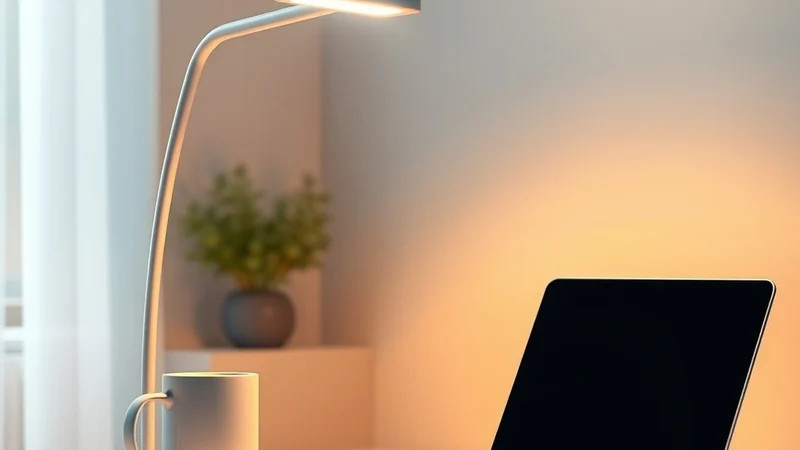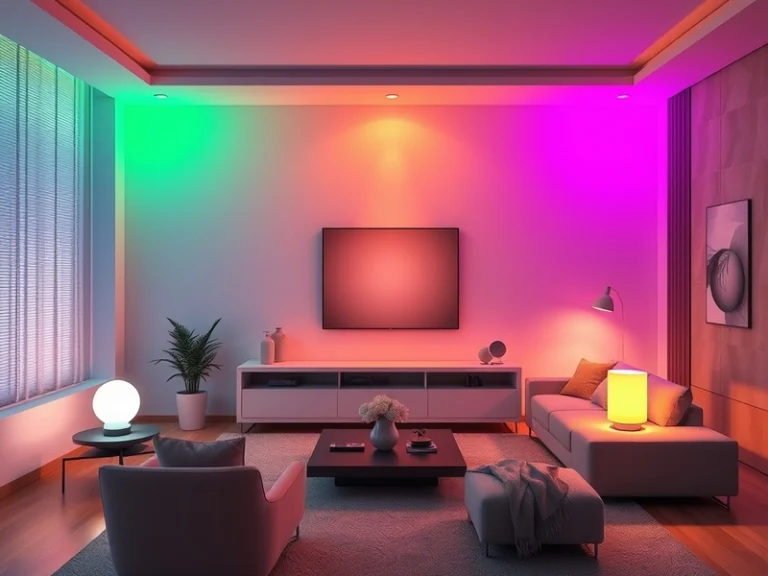
AI technology is increasingly integrating into home lighting systems, transforming how individuals interact with their living spaces by creating adaptive and personalized ambient experiences that respond to real-time needs and preferences. Moving beyond basic smart bulbs, these nascent “AI lamps” or AI-powered lighting systems leverage machine learning and sensor data to dynamically adjust illumination, color temperature, and brightness, fundamentally altering the role of lighting in home decor and personal well-being.
The distinction between traditional smart lighting and AI-powered lighting lies in autonomy and intelligence. While smart lights, such as those from Philips Hue or Govee, allow users to control them remotely, set schedules, or change colors via an app or voice command, AI-driven systems take a proactive approach. These systems are designed to learn from user behavior, environmental conditions, and even integrate with other smart home devices to anticipate and fulfill lighting needs without explicit user input.
The AI Behind the Illumination
At the core of an AI lamp’s capabilities are several key artificial intelligence technologies:
- Machine Learning (ML): This is perhaps the most critical component. ML algorithms analyze patterns in user behavior, such as when lights are turned on or off, preferred brightness levels for certain activities (e.g., reading, watching TV), and even how these preferences change throughout the day or week. Over time, the system builds a profile to predict and suggest optimal lighting settings.
- Sensor Fusion: AI lamps often integrate data from various sensors. Occupancy sensors detect presence and movement, ensuring lights are only on when a room is in use. Ambient light sensors measure natural daylight levels, allowing the system to supplement or dim artificial light to maintain a consistent overall illumination. Some advanced systems might even incorporate sound sensors or cameras (with privacy considerations) to infer activities.
- Natural Language Processing (NLP): While not directly governing the light output, NLP is crucial for user interaction. Integration with popular voice assistants like Amazon Alexa, Google Assistant, or Apple HomeKit allows users to articulate complex lighting requests or preferences in natural language, which the AI system then interprets and executes.
- Contextual Awareness: By combining data from ML and sensors, the AI can develop a sophisticated understanding of the current context. This includes time of day, weather conditions (via external data feeds), user activity, and even the user’s circadian rhythm patterns, if integrated with wearables or health apps.
Transforming Ambiance and Well-being
The application of AI in lighting extends far beyond mere convenience, offering tangible benefits for ambiance, energy efficiency, and human well-being:
- Personalized Ambiance: Instead of manually adjusting lights, an AI lamp can automatically transition from a bright, cool light in the morning to a warm, dim light in the evening, mirroring natural light cycles. It can learn that you prefer bright, focused light for working at your desk and a soft, diffused glow for relaxing on the sofa, adjusting automatically as you move or change activities.
- Circadian Rhythm Support: One of the most significant health benefits is the ability to synchronize lighting with the body’s natural circadian rhythm. By emitting blue-enriched light in the morning to boost alertness and gradually shifting to warmer, blue-depleted light in the evening, AI lighting can help regulate sleep patterns and improve overall mood and productivity. Companies like Signify (makers of Philips Hue) have been exploring these features for years, offering “Wake-up” and “Go to sleep” routines that mimic natural sunrise and sunset.
- Energy Efficiency: AI-powered systems can significantly reduce energy consumption. By accurately detecting occupancy, turning off lights in empty rooms, and intelligently dimming or brightening based on available natural light, they minimize wasted energy. This goes beyond simple timers by adapting to real-time conditions.
- Seamless Integration: These intelligent lighting systems are designed to be part of a larger smart home ecosystem. They can react to other triggers, such as a smart thermostat indicating you’ve arrived home, or a smart security camera detecting unusual activity, potentially flashing lights to deter intruders.
- Mood Enhancement: Beyond practical considerations, AI lamps can contribute to emotional well-being. By observing user interactions and potentially integrating with mood-tracking apps, they could, in theory, suggest lighting scenes designed to relax, energize, or focus, creating a truly adaptive environment.
While the term “AI Lamp” might conjure images of a single, sentient light fixture, the reality is often a distributed system where the intelligence resides in a central hub (like the Philips Hue Bridge or a smart home controller) or within cloud-based AI services, orchestrating an array of smart bulbs, light strips, and fixtures. Brands like Nanoleaf also push the boundaries of dynamic and aesthetic lighting, often incorporating features that hint at AI-driven responsiveness to music or other environmental factors.
The proliferation of sophisticated sensors, more powerful edge computing capabilities in devices, and advancements in machine learning algorithms are driving this evolution. As these technologies mature and become more affordable, the distinction between a “smart light” and an “AI light” will likely blur, with intelligent, adaptive lighting becoming the standard expectation for home illumination. The focus will shift from manual control to intelligent automation, where your lighting system understands and anticipates your needs, making your living space truly responsive and personalized.