AI-Powered Space Data Centers: The Next Frontier
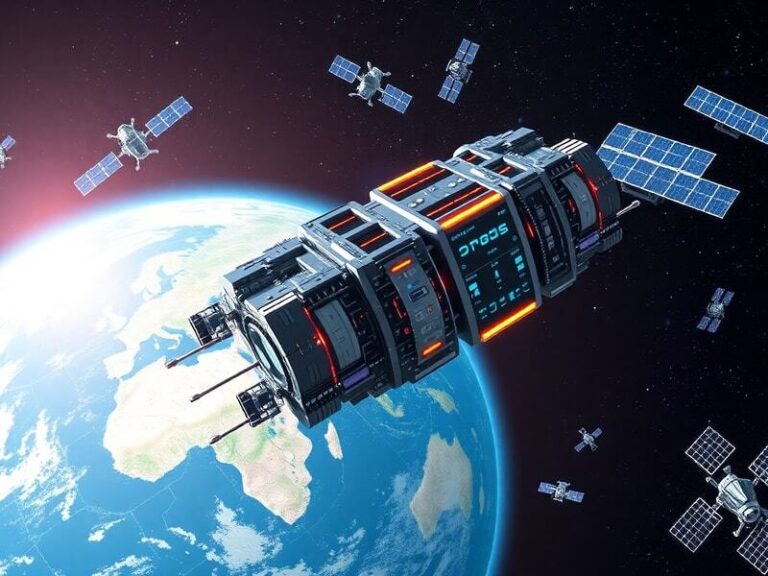
The dawn of artificial intelligence (AI) has revolutionized numerous industries, but its full potential remains tethered to the limitations of terrestrial data centers. As we venture into the realm of space exploration, the concept of relocating data centers to space emerges as a transformative solution that could enhance AI capabilities significantly. This article delves into how AI-powered space data centers could reshape the technological landscape, offering practical insights, industry implications, and future possibilities.
The Rationale Behind Space Data Centers
Data centers consume vast amounts of energy and space on Earth, leading to significant environmental concerns. The potential benefits of moving these centers to space include:
- Reduced Latency: Proximity to satellites and space-based systems can lower latency for global communication, enhancing real-time AI applications.
- Enhanced Processing Power: Space data centers can harness solar energy more efficiently and utilize advanced cooling techniques to maintain optimal operating conditions.
- Environmental Sustainability: Relocating data centers to space could alleviate the environmental impact associated with energy consumption and land use on Earth.
Technological Innovations Driving Space Data Centers
The feasibility of space-based data centers is underpinned by several emerging technologies:
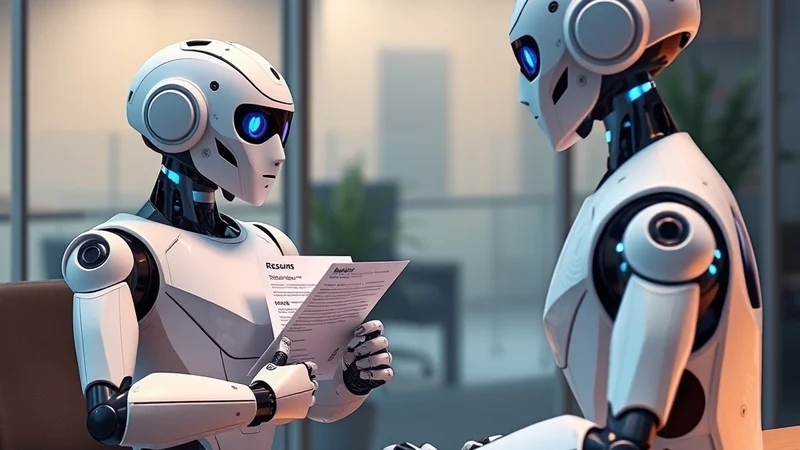
- Space Robotics: Autonomous robots can manage maintenance tasks, ensuring data centers operate smoothly without human intervention.
- Quantum Computing: The unique conditions of space may facilitate advancements in quantum computing, which can process data at unprecedented speeds.
- Advanced AI Algorithms: AI can optimize data processing and management, enabling efficient resource allocation and predictive maintenance.
Industry Implications
The migration of data centers to space could have profound implications across various sectors:
- Telecommunications: Enhanced satellite networks could improve connectivity and data transmission speeds, fostering the growth of global internet access.
- Research and Development: Space data centers can support advanced AI research, enabling scholars to conduct experiments that require substantial computational power.
- Climate Monitoring: Continuous data collection from space can enhance climate monitoring capabilities, leading to better predictive models for environmental changes.
Challenges to Overcome
While the benefits are significant, several challenges must be addressed:
- High Costs: The initial investment for launching and maintaining data centers in space is substantial and requires innovative funding models.
- Regulatory Hurdles: Space law and regulations regarding the use of orbital space must be navigated carefully to avoid conflicts and ensure compliance.
- Data Security: Securing data in space presents unique challenges, necessitating advanced cybersecurity measures to protect sensitive information.
Future Possibilities
The future of AI-powered space data centers is promising, with several possibilities on the horizon:
- Global Collaboration: International partnerships could lead to shared data centers, pooling resources and knowledge to tackle global challenges.
- AI-Driven Insights: Enhanced data processing capabilities could enable AI to derive insights from vast datasets, driving innovation in fields like healthcare and transportation.
- Interplanetary Data Centers: As humanity explores Mars and beyond, the establishment of interplanetary data centers could support AI applications in extraterrestrial environments.
In conclusion, the concept of AI-powered space data centers represents a groundbreaking shift in how we approach data management and AI capabilities. By harnessing the unique advantages of space, industries can not only enhance their operational efficiencies but also contribute to a more sustainable future. As we continue to explore this next frontier, the collaboration between technology and innovation will be crucial in turning this vision into reality.