Innovative prototypes are leveraging artificial intelligence to develop systems capable of transmitting olfactory experiences through digital technology, moving beyond the traditional limitations of sight and sound in online interactions.
For decades, the idea of “smell-o-vision” or digital scent has captivated researchers and futurists. While transmitting visual and auditory information has become commonplace, digitizing and transmitting scent has remained a formidable challenge. Unlike light or sound, which can be quantified and transmitted as wave patterns, smell is fundamentally a chemical phenomenon. Each scent is a complex cocktail of volatile organic compounds (VOCs), and our perception of these compounds is highly subjective, influenced by genetics, experience, and even mood.
The Complexities of Olfactory Digitization
The human nose contains millions of olfactory receptors, capable of detecting thousands of distinct odors, each often comprising hundreds of different molecules. Replicating this intricate chemical symphony on demand, with precision and speed, is where previous attempts have often faltered. Traditional approaches typically involved pre-loaded cartridges of a limited number of scents, which could be released at specific times. However, these systems struggled with:
- Scent Composition: Accurately identifying and then recreating the precise chemical ratios that define a natural smell.
- Scent Blending: Mixing multiple base scents to create new ones without unwanted chemical reactions or lingering residual odors.
- Dynamic Delivery: Rapidly switching between different scents or adjusting intensity in real-time.
- Personalization: Accounting for individual differences in olfactory perception.
This is where artificial intelligence enters the fray, offering solutions to tackle these inherent complexities.
AI’s Role in Scent Analysis and Synthesis
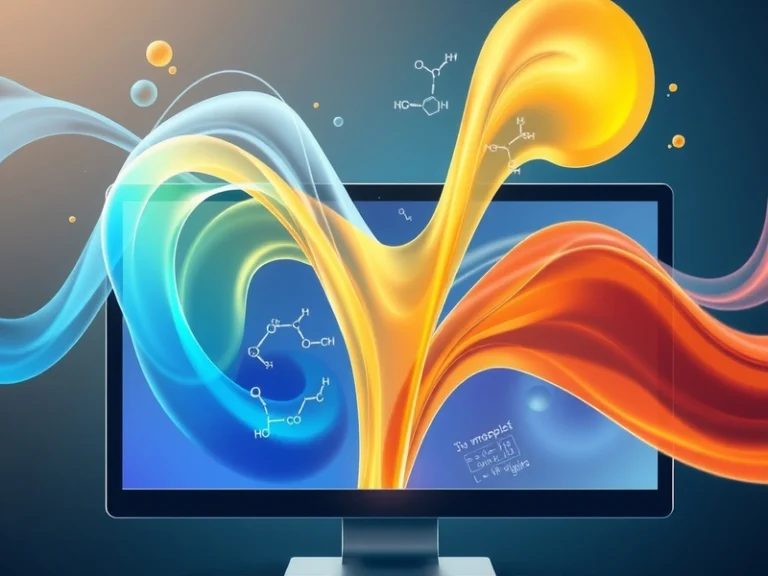
AI is being deployed across two primary fronts: the analysis of existing scents and the synthesis of new ones. On the analysis side, machine learning algorithms are trained on vast datasets derived from advanced chemical analysis techniques, such as gas chromatography-mass spectrometry (GC-MS) or electronic noses (e-noses). These instruments can identify and quantify the specific VOCs present in a given aroma.
AI models can then learn to correlate these complex chemical signatures with human perception, essentially creating a digital “fingerprint” for a smell. This allows researchers to move beyond simply identifying molecules to understanding how combinations of molecules are perceived as a specific odor, like “coffee” or “pine.”
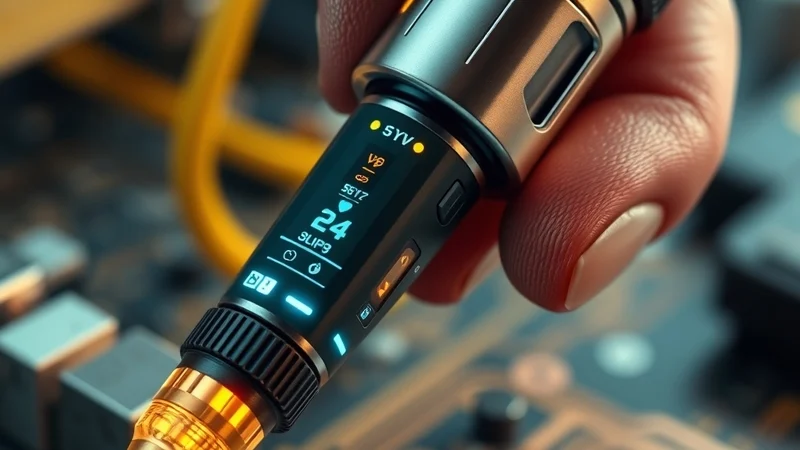
For scent synthesis, AI acts as a sophisticated control system for “olfactory displays” or “digital scent emitters.” These devices typically house an array of base odor compounds that can be mixed and dispensed. AI algorithms can:
- Optimize Blending: Precisely control the release of individual compounds from a palette of base chemicals to recreate a target scent profile, minimizing waste and maximizing accuracy.
- Manage Dynamics: Adjust the intensity and duration of scent release, and rapidly clear the air for the next scent, crucial for immersive experiences.
- Learn and Adapt: Through user feedback or physiological data, AI can refine its scent generation models, personalizing the olfactory experience for individuals.
Current hardware prototypes for scent emission vary, from systems using microfluidics to precisely control the release of liquid odorants, to ultrasonic atomizers that vaporize scent compounds for rapid dispersion, and even thermal systems that heat scent-infused polymers. AI’s role is to provide the intelligent orchestration for these diverse physical mechanisms.
Applications Across Industries
The ability to transmit scents digitally, powered by AI, holds transformative potential across numerous sectors:
- Immersive Entertainment: Virtual reality (VR) and augmented reality (AR) experiences could gain an entirely new dimension, allowing users to “smell” the virtual environments they inhabit, from a forest to a bustling marketplace.
- E-commerce and Marketing: Imagine sampling a perfume, the aroma of a gourmet meal, or the scent of a new car interior before making a purchase online. This could revolutionize how consumers interact with products remotely.
- Healthcare and Wellness: Digital scent technology could assist in diagnosing olfactory disorders, provide aromatherapy tailored to individual needs, or even simulate dangerous smells for training first responders.
- Education: From chemistry labs to history lessons, students could experience smells relevant to their studies, enhancing engagement and understanding.
- Remote Communication: Adding a sensory layer to video calls or digital messages could create more personal and emotionally resonant interactions.
While still largely in the research and prototype stages, the integration of AI is providing the critical intelligence needed to overcome the inherent challenges of digital olfaction. The journey from chemical analysis to a perceivable, transmissible digital scent is complex, but AI’s ability to process vast datasets, learn intricate patterns, and control sophisticated hardware is steadily bringing the “internet of smells” closer to reality, promising a richer, more multi-sensory digital future.