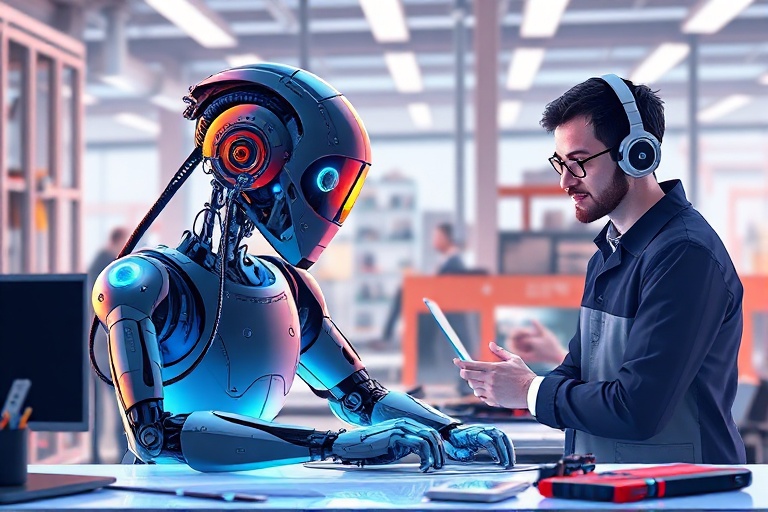
Bezos Unveils Project Prometheus: The Dawn of the ‘Artificial General Engineer’
In a groundbreaking announcement, Jeff Bezos has revealed Project Prometheus, an ambitious initiative aimed at revolutionizing computer-aided design (CAD) through the development of an ‘artificial general engineer’. This innovative project promises to harness the power of artificial intelligence (AI) to streamline the design process for physical objects, ushering in a new era of engineering and manufacturing. But what exactly does this mean for the industry, and how might it reshape our future?
The Concept of an ‘Artificial General Engineer’
The term ‘artificial general engineer’ refers to an AI system designed to perform a wide array of engineering tasks, similar to how an experienced human engineer would. Unlike traditional AI systems that excel at narrow tasks, this revolutionary concept aims for a more holistic approach to design and engineering challenges.
Key features of the artificial general engineer include:
- Adaptive Learning: The AI will continuously learn from new designs and engineering challenges, improving its capabilities over time.
- Multidisciplinary Knowledge: It will integrate knowledge across various engineering domains, enabling it to handle complex, interdisciplinary projects.
- Real-Time Collaboration: The AI will facilitate collaboration among human engineers, offering insights and suggestions based on ongoing projects.
How Project Prometheus Works
At its core, Project Prometheus leverages advanced machine learning algorithms and vast datasets to train the artificial general engineer. Here’s how it operates:
- Data Collection: The AI ingests massive amounts of engineering data, including existing CAD models, simulations, and design specifications.
- Pattern Recognition: Using deep learning techniques, the AI identifies patterns and best practices in successful designs.
- Design Generation: The system generates new designs based on user inputs and learned knowledge, optimizing for factors such as cost, efficiency, and manufacturability.
- Feedback Loop: As engineers interact with the AI, it collects feedback to refine its models and improve future suggestions.
Industry Implications
The introduction of Project Prometheus carries significant implications for multiple sectors, including manufacturing, architecture, and product design. Here are a few potential impacts:
- Increased Efficiency: By automating routine design tasks, engineers can focus on more complex problems, leading to faster project completion times.
- Cost Reduction: The AI’s ability to optimize designs for manufacturability can decrease material waste and production costs.
- Enhanced Creativity: With an AI partner, engineers may explore innovative design solutions that they might not have considered otherwise.
- Democratization of Engineering: Smaller companies and startups could leverage this technology, leveling the playing field against larger firms with more resources.
Future Possibilities
As Project Prometheus continues to develop, we can anticipate several exciting possibilities:
- Integration with Virtual Reality (VR): Imagine engineers using VR environments to interact with the AI, visualizing designs in real-time and making adjustments on the fly.
- Personalized Products: The artificial general engineer could enable mass customization, allowing consumers to design products tailored specifically to their needs.
- Collaboration with Other AI: Future iterations might integrate with AI systems across different domains, such as robotics and material science, creating a comprehensive design ecosystem.
- Ethical Considerations: As with any powerful technology, the ethical implications of AI in engineering must be carefully considered, including accountability and job displacement concerns.
Conclusion
Project Prometheus represents a significant leap forward in the integration of artificial intelligence within the engineering sector. By developing an ‘artificial general engineer’, Jeff Bezos and his team are not only pushing the boundaries of what AI can achieve in design but also redefining the roles of engineers in the process. As we stand on the cusp of this new technological era, it is essential for industry professionals to engage with these advancements actively, ensuring that innovation aligns with ethical practices and societal needs.