Building AI Agents: A Free Course for Beginners
As artificial intelligence continues to revolutionize industries, the demand for skilled professionals who can build AI agents is skyrocketing. Whether you’re a tech enthusiast or a seasoned professional looking to expand your knowledge, understanding how to create AI agents from scratch is crucial. This comprehensive training program not only provides valuable insights but also equips you with the skills needed to thrive in the evolving landscape of AI technology.
What are AI Agents?
AI agents are systems that can perceive their environment, reason, and take actions to achieve specific goals. They can be as simple as chatbots or as complex as autonomous vehicles. These agents utilize various AI techniques, including machine learning, natural language processing (NLP), and computer vision, to perform tasks that typically require human intelligence.
Course Overview
The free course on building AI agents caters to beginners and covers the following key areas:
- Introduction to AI Concepts: Understand the fundamental principles of AI and the different types of AI agents.
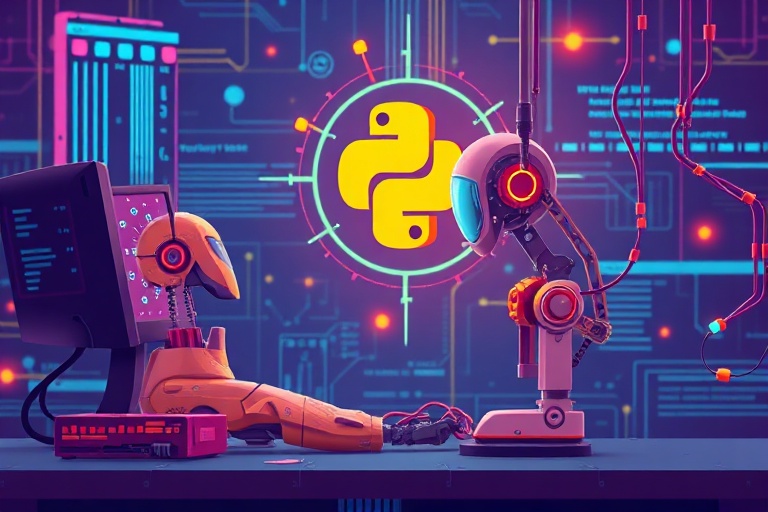
- Programming Foundations: Get equipped with the necessary programming skills using Python, a popular language in AI development.
- Machine Learning Basics: Learn the core concepts of machine learning, including supervised and unsupervised learning.
- Building Your First AI Agent: Step-by-step guidance on creating a simple AI agent using pre-built libraries.
- Advanced AI Techniques: Explore more complex algorithms and models that enhance the capabilities of AI agents.
Practical Insights for Building AI Agents
Building AI agents involves more than just coding; it requires a solid understanding of various components that contribute to their functionality. Here are some practical insights to consider:
- Data Preparation: Quality data is the backbone of any AI project. Spend time on data collection, cleaning, and preprocessing, as this directly impacts the performance of your AI agent.
- Model Selection: Different tasks require different models. Familiarize yourself with various algorithms and choose the one that fits your specific problem.
- Testing and Validation: Regularly test and validate your models to ensure they perform as expected. This step is vital to avoid overfitting and ensure generalizability.
- User Experience: An AI agent’s interface should be intuitive. Consider how users will interact with the agent and design accordingly.
Industry Implications
The ability to build AI agents has significant implications across various industries:
- Healthcare: AI agents can assist in diagnosing diseases, managing patient data, and providing personalized treatment plans.
- Finance: In the financial sector, AI agents can analyze market trends, detect fraudulent activities, and optimize investment strategies.
- Customer Service: Companies are increasingly employing AI chatbots to enhance customer experience, reduce waiting times, and provide 24/7 support.
- Transportation: Autonomous vehicles rely on AI agents for navigation, obstacle detection, and decision-making processes.
Future Possibilities
The future of AI agents is bright, with continuous advancements expected in technology and methodology. Here are a few trends to watch:
- Increased Personalization: Future AI agents will become more adept at understanding individual user preferences, leading to highly personalized interactions.
- Integration with IoT: As the Internet of Things (IoT) expands, AI agents will collaborate with connected devices to create smarter environments.
- Ethical AI Development: There will be a growing emphasis on developing ethical AI agents that prioritize transparency, fairness, and accountability.
- Multi-Agent Systems: Future agents may communicate and collaborate with other AI agents to solve complex problems more efficiently.
Conclusion
Building AI agents is an exciting and rewarding endeavor that opens up a world of opportunities. By participating in this comprehensive training program, you’ll acquire the skills necessary to create your own AI agents and contribute to the innovative landscape of technology. Whether you aim to solve real-world problems or explore creative applications of AI, this course is the perfect starting point for your journey into the realm of AI.