ChatGPT’s Integration with Spreadsheets: A Game Changer for Data Management
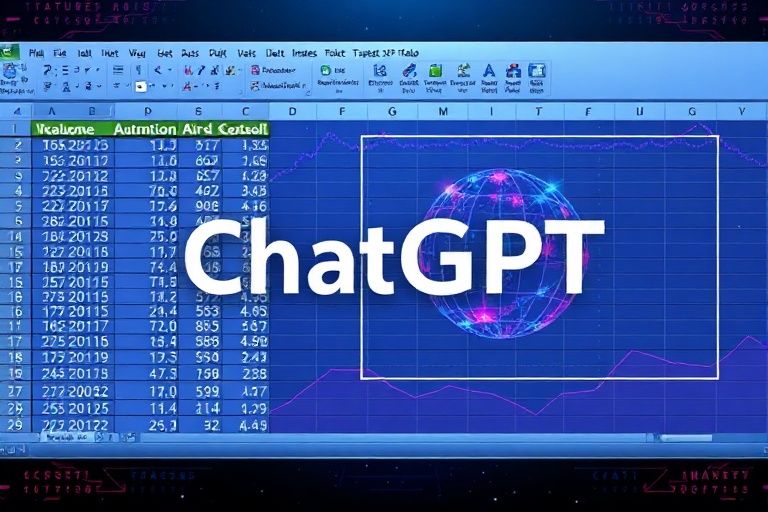
The advent of artificial intelligence has transformed numerous sectors, and one of the most exciting developments is the integration of AI, particularly ChatGPT, with spreadsheets like Excel and Google Sheets. This new functionality, showcased through the ChatGPT sidebar, is poised to revolutionize how we manage and analyze data, making it more intuitive and efficient than ever before.
Understanding the ChatGPT Sidebar
The ChatGPT sidebar is an innovative feature that allows users to interact with the AI directly within their spreadsheet applications. This integration enables users to automate various data tasks, enhancing productivity and reducing the time spent on mundane operations. Here’s how it works:
- Natural Language Processing: Users can input queries in plain language, and ChatGPT interprets and executes the commands, making it accessible to those who may not be proficient in complex formulas.
- Real-time Data Analysis: Users can ask questions about their data, such as trends, patterns, or comparisons, and receive instant insights.
- Automated Reporting: The sidebar can generate reports based on selected data, complete with visualizations that are dynamically updated as the data changes.
Practical Insights: Enhancing Data Tasks
The integration of ChatGPT into spreadsheets can streamline various tasks, providing practical applications that enhance efficiency. Here are some key ways users can leverage this technology:
- Data Cleaning: ChatGPT can assist in identifying and correcting errors in datasets, such as duplicates or inconsistent entries, which is critical for maintaining data integrity.
- Formula Assistance: For users who struggle with complex formulas, ChatGPT can suggest and even create formulas based on a user’s description of their data needs.
- Visualization Recommendations: The AI can recommend the best types of charts or graphs to represent specific datasets, helping users communicate their findings more effectively.
- Collaborative Features: With the ability to summarize discussions or decisions made in collaborative environments, ChatGPT can help keep team members on the same page.
Industry Implications
The integration of ChatGPT with spreadsheet applications has significant implications across various industries. Here are some areas poised for transformation:
- Finance: Financial analysts can automate data analysis and reporting, allowing for quicker decision-making and more accurate forecasting.
- Marketing: Marketers can analyze customer data more effectively, gaining insights into consumer behavior and preferences that can drive targeted campaigns.
- Education: Educators can automate grading and feedback processes, enabling them to focus more on teaching and less on administrative tasks.
- Healthcare: Healthcare professionals can analyze patient data to identify trends in treatment outcomes, enhancing the quality of care.
Future Possibilities
As AI technology continues to evolve, the future of ChatGPT’s integration with spreadsheets is promising:
- Enhanced Predictive Analytics: Future iterations may incorporate advanced machine learning algorithms, allowing for more sophisticated predictive analytics capabilities.
- Broader Integration: We may see integration with other software tools, creating a seamless workflow across platforms, enhancing both data management and collaboration.
- Custom AI Models: Businesses could develop custom AI models tailored to their specific data needs, using ChatGPT’s architecture as a foundation.
- Improved User Interfaces: Future versions of the sidebar may feature enhanced user interfaces, making it even easier for non-technical users to leverage sophisticated AI tools.
Conclusion
The integration of ChatGPT with spreadsheets like Excel and Google Sheets marks a significant leap forward in data management. By harnessing the power of AI, organizations can streamline operations, improve accuracy, and gain deeper insights from their data. As this technology continues to develop, the possibilities are virtually limitless, paving the way for a future where data-driven decision-making is more accessible than ever before.